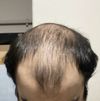
A 25-year-old shared their 3-month progress using a combination of 1mg finasteride and 5% minoxidil for hair loss. The images show noticeable improvement in hair density.
A user received a topical finasteride solution from a pharmacy, which likely dissolved finasteride tablets instead of using pure finasteride powder, resulting in sediment. The user expressed dissatisfaction, expecting pure powder, and discussed the pros and cons of DIY solutions and the use of minoxidil with finasteride.
User shared progress pictures after 3 months using 5% topical minoxidil in the morning, 0.3% and 6% minoxidil topical spray in the evening, and Nizoral once a week. Photos show improvement in hair density.
A user started taking Musely men's bloom hair pill, which contains minoxidil, dutasteride, and vitamins, and noticed a stop in hair shedding after switching from other hair loss treatments like hims and Keeps. They are questioning the effectiveness of the Musely pill due to its lower dosage of active ingredients and are curious about others' experiences with the product.
The conversation is about gathering serum DHT data from individuals taking dutasteride to investigate its efficacy, especially in cases with unexpectedly low DHT reduction. The aim is to explore potential genetic factors affecting drug metabolism.
The conversation is about someone planning to start finasteride for hair loss and wanting to interpret pre-treatment blood panels to assess the risk of side effects like gynecomastia. They list various tests to measure hormone levels and other health indicators.
The user is using 5% topical minoxidil, 1mg oral finasteride, biotin, vitamin D, zinc, and microneedling for hair loss. They report no sexual side effects and feel their libido may have increased.
The user is considering switching from topical minoxidil to a combined oral treatment of finasteride and minoxidil for better consistency but is concerned about potential side effects like shedding, dizziness, and swelling. Another user advises that oral minoxidil should only be used under medical supervision with regular health checks and suggests using reputable brands like Pfizer's Loniten.
Treatments for hair loss, such as topical minoxidil, platelet-rich plasma therapy with or without minoxidil, ketoconazole, non-abative radio frequency, natural products, finasteride and cortexolone 17 alpha propionate. The post evaluates the efficacy and safety of these treatments in various studies.
A user discovered they have naturally low DHT levels and is concerned about taking finasteride, which could further lower these levels. They are seeking advice on whether to proceed with the treatment given their hormone levels are within the normal range.
The conversation is about hair loss treatments. The user considers using a foam with Saw palmetto, caffeine, and EGCG, but another user suggests just using finasteride.
The conversation discusses using zinc and iron supplements to mitigate side effects of finasteride. It also mentions that shedding is a normal part of the process and suggests a healthy diet, exercise, and sleep to support hair health.
The conversation is about finding a source to buy RU58841 in Germany, specifically looking for a PG-free option. Users suggest buying powder and mixing it themselves, with one user recommending a specific website.
The solution contains minoxidil, finasteride, azelaic acid, caffeine, retinoic acid, and procapil. Users suggest minoxidil with tretinoin and a 5-alpha reductase inhibitor, while dismissing retinoic and azelaic acids as unnecessary.
A user is seeking advice on using a spray containing 0.3% finasteride and 6% minoxidil for hair loss. Another user suggests applying it in the morning to avoid transferring it to pillows and recommends reading a guide for microneedling advice.
A 20-year-old is using a topical solution with 0.1% finasteride and 7% minoxidil for hair loss, applying about 10 drops daily. They seek advice on the correct dosage to avoid over or under-application.
An 18-year-old male experienced positive results with oral finasteride but stopped due to side effects and is now trying homemade low-dose (0.01%) topical finasteride mixed with liquid minoxidil to manage hair loss. He seeks feedback on the effectiveness of this DIY topical treatment.
The conversation discusses combining topical cetirizine with minoxidil for hair loss treatment and inquires about the safety and absorption through the skin, as well as the possibility of adding melatonin.
The user reports positive results in hair growth using daily oral finasteride (1.2mg), minoxidil (3mg), and biotin (2.5mg), along with collagen peptides, exercise, and weightlifting. Other users comment on the progress and discuss the effectiveness and side effects of these treatments.
A user is considering adjusting their hair loss treatment, currently using 1.0mg finasteride, 2.5mg minoxidil, 5% minoxidil foam, and Nizoral 1%. They are seeking advice on whether to increase dosages or switch treatments, and if reducing dosages later would affect their progress.
Kx-826 at 0.5% shows limited effectiveness for hair loss, while 1% is more promising but expensive. RU58841 is considered a more feasible option until 1% kx-826 becomes affordable.
A topical treatment called 1961, containing multiple products, is discussed for its compatibility with finasteride. It is suggested that 1961 does not negatively affect finasteride's effectiveness and may even enhance its absorption.
The conversation discusses the pros and cons of buying a mixed topical bottle of minoxidil and finasteride versus separate products for hair loss treatment. Concerns are raised about the finasteride dosage and the inclusion of tretinoin in one of the products.
A 21-year-old is using a combination of topical finasteride, topical and oral minoxidil, a liquid multivitamin, collagen powder, liquid biotin, microneedling, and red light therapy to address hair thinning. They are cautious about side effects and unsure if their hair loss is due to DHT or past brushing habits.
A user questions the authenticity of a cheap minoxidil product due to packaging errors and unusual smell, considering returning it. They also reference an FDA report for further information.
The conversation discusses using shou wu chih or fo-ti/he shou wu for hair loss, with OP noticing stiffer beard and body hair. A user warns about potential liver damage from fo-ti and questions the effectiveness of alternative medicine.
A 45-year-old male used topical Minoxidil 12.5% and Finasteride 0.5% nightly for a year, with noticeable hair improvement and no side effects. He also used a dermal roller monthly and continued using creatine, attributing his hair's healthier appearance to the treatment.
The conversation discusses the pros and cons of using propylene glycol versus ethyl alcohol in topical solutions for finasteride and minoxidil. It questions why propylene glycol is commonly used and whether ethyl alcohol might be a better option.
Finasteride's potential side effects, especially sexual dysfunction, are discussed, with emphasis on hormonal balance between testosterone and estradiol. Users share experiences with finasteride, minoxidil, and dutasteride, highlighting the variability in side effects and the influence of mindset and lifestyle.
Hair thinning possibly due to rapid weight loss and dietary changes, with no nutrient deficiencies found. The user is taking vitamins and considering seeing a hair specialist to promote regrowth.