The user mixed Pyrilutamide with a KB solution and noticed some undissolved powder, questioning if more shaking or liquid is needed. They use Pyrilutamide from Anagenic.
The conversation discusses concerns about using cordyceps while on dutasteride due to potential DHT increase, with OP experiencing hair loss after using creatine. OP is advised to stop creatine and give dutasteride more time to evaluate its effectiveness.
Using topical finasteride with creatine might help reduce hair loss by targeting local DHT while maintaining normal systemic levels, but results are uncertain without testing. Users report mixed experiences with topical treatments like finasteride, dutasteride, RU58841, and minoxidil, with some seeing regrowth and others experiencing side effects.
Creatine might increase DHT levels, potentially affecting hair loss, but its impact is debated. Some users experience hair shedding with creatine despite using finasteride, while others notice no change.
High estradiol levels may contribute to erectile dysfunction (ED) and can be addressed with lifestyle changes or medication. It's important to consult a medical professional for treatment options.
User experienced hair loss after taking creatine with finasteride for 8 years. Others shared similar experiences, but some suggested it could be a minoxidil shed.
Some users report no issues with hair loss while taking creatine and finasteride, while others experience shedding and attribute it to creatine. The effects of creatine on hair loss appear to vary, with some individuals being more sensitive to DHT increases.
The conversation discusses concerns that Anagenic's version of GT20029 might not be as effective or safe as Kintor's, with comparisons to issues faced by pyrilutamide. The chemical structure of the drug has been published.
Kintor's Pyrilutamide (KX-826) showed hair growth in Chinese Phase III trials but did not significantly outperform placebo. The treatment was safe with no major adverse reactions reported.
Creatine does not cause hair loss, despite many users reporting personal experiences of hair shedding. Scientific evidence shows no link between creatine and increased hair loss or hormone changes.
Finasteride and Nizoral shampoo with Ketoconazole are used for hair loss treatment. Liquid Chromatography–Mass Spectrometry (LC-MS) is recommended over Enzyme-Linked Immunosorbent Assay (ELISA) for more accurate DHT testing.
KX826 shows promise as a hair loss treatment with a 10% increase in hair count, but concerns about Kintor's marketing practices and the systemic effects of treatments like GT20029 and RU58841 remain. Users express skepticism and hope, with some preferring traditional treatments like finasteride and minoxidil.
Oral minoxidil and creatine can be used together, but it's advised to start one at a time to monitor side effects. Creatine may increase DHT levels, potentially causing more hair shedding, while minoxidil can lower blood pressure, so hydration and monitoring for dizziness are important.
The conversation discusses the potential of topical rapamycin, metformin, and alpha-ketoglutarate (a-KG) for hair growth, with skepticism expressed about their effectiveness based on personal experience and existing use. It also mentions AICAR, known as cardarine or GW, which is not suitable for long-term use due to cancer risks in animal studies and its similarity to metformin.
GHK-Cu is a potent inhibitor of the type 1 5-alpha reductase enzyme in hair follicles, which may reduce hair loss without the side effects associated with type 2 5-alpha reductase inhibitors. The user previously experienced side effects with 5-alpha reductase inhibitors and is considering GHK-Cu as an alternative.
Finasteride reduces DHT production, so blood tests can track hormonal changes. Pyrilutamide blocks androgen receptors without altering hormone levels, making blood tests less useful for detecting its effects.
User experienced high E2 levels after taking finasteride and sought advice on lowering E2 with supplements like Tonkat ali, Fadogia, and Boron. They also used DIM, zinc, and magnesium but avoided using an AI.
A user with kidney disease and high blood pressure experienced hair thinning, especially around the vertex. They are currently using finasteride and oral minoxidil but are considering whether to resume blood pressure medication despite managing symptoms with diet and exercise.
KX-826/pyrilutamide is undergoing an additional one-year safety and efficacy trial in China after a six-month study. Some participants speculate on the reasons for the extended trial and discuss the potential of other treatments.
This post and conversation are about the effects of Minoxidil on renal electrolytes transport in the Loop of Henle. The replies show a lack of interest and a brief summary stating that rectal Minoxidil electrolytes are bad.
People are discussing the use of the peptide GHK-Cu for hair and skin, with mixed results. Some users have tried it alongside other treatments like adenosine and melatonin, but have not seen significant improvements, and one user stopped due to cost.
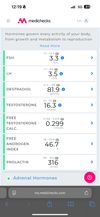
A user reports high DHT levels despite taking finasteride and is concerned about inconsistent blood test results. They also take modafinil, vitamin D, and magnesium supplements.
A user increased their dutasteride dosage from 0.5mg to 1mg daily, resulting in a rise in DHT levels from 148 pg/mL to 281 pg/mL, and is considering switching back to finasteride due to continued hair loss. Replies suggest retesting and emphasize the importance of bloodwork before starting treatments.
The conversation discusses concerns about using a high concentration of 1% topical finasteride for hairline balding, with some users suggesting starting with a lower dose. It also mentions the use of GHK-CU peptide and the importance of considering the formulation to avoid excessive absorption.
KX-826 (Pyrilutamide) 0.5% and 1.0% solutions showed promising results in increasing hair count for male androgenetic alopecia, with the 0.5% dose slightly outperforming the 1% dose. The treatment was well-tolerated with no sexual side effects, but skepticism remains due to past inconsistencies in trial results.
User discusses group buy for finerenone, a third-gen mineralocorticoid antagonist for hair loss treatment. Finerenone inhibits TGFb, NOX, and ROS, and improves renal and cardiac function; topical dose should be no more than 10mg per day.
A 37-year-old with a receding hairline started using finasteride and plans to add minoxidil, concerned that creatine and whey protein might accelerate hair loss. Another user suggests these supplements likely don't increase testosterone or cause hair loss, advising to monitor personal experience.
Kintor Pharmaceutical's Phase 2 results with the drug Pyrilutamide, a potential alternative to 5-ARI drugs like Finasteride and Dutasteride but without the side effects. It could be used in combination with other topical treatments such as Minoxidil. The safety of the drug has been demonstrated in 6 months of use, however there are still questions about long term efficacy and systemic absorption.
The user is concerned about high prolactin levels and low testosterone levels after stopping finasteride for three weeks. They are considering resuming finasteride but are worried it might further increase prolactin levels.