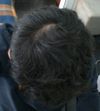
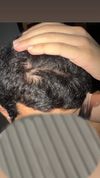
The user reported worsening hair loss after 1.5 years on finasteride, questioning if chronic iron deficiency could be a cause. They noted no side effects from finasteride.
A 35-year-old had a hair transplant with 3,153 grafts at HLC Ankara, experiencing some pain and numbness but pleased with the density and results. The procedure cost $10,000, and the user has been using finasteride for over 13 years.
A 26-year-old is experiencing hair thinning and has received conflicting diagnoses of androgenetic alopecia and telogen effluvium. They are considering treatments like dutasteride, oral and topical minoxidil, and are unsure whether to start treatment or pursue further diagnosis like a scalp biopsy.
The conversation discusses using very low dose topical finasteride to achieve specific serum DHT reduction percentages. It concludes that finasteride dosage increases linearly between 5-30% DHT reduction but requires exponential increases for reductions up to 70%.
User added RU58841 to their hair loss treatment and experienced quick results. Others also reported positive effects, but one user experienced chest pains as a side effect.
Two Chinese suppliers provided legitimate RU58841, confirmed through a free drug testing service. The vendors were Shaanxi Greenyo Biotech and Lyphar, found on Made-in-China.
A user with low-normal testosterone levels is considering starting finasteride and minoxidil for hair loss but is concerned about hormone imbalance. They are advised that finasteride targets DHT, not testosterone, and could start with minoxidil while making lifestyle changes to naturally increase testosterone.
Low-Level Laser Therapy (LLLT) is seen as a safe and effective method for maintaining hair and promoting regrowth in androgenetic alopecia (AGA) and male pattern baldness (MPB), with devices like the HairMax LaserComb® and iRestore helmet being popular. Some users and professionals are skeptical about its long-term effectiveness and cost.
AH-001 is a new topical treatment designed to degrade androgen receptors, targeting the root cause of androgenetic alopecia without the side effects of oral treatments like finasteride. It has shown a strong safety profile and good local tolerability in early trials.
The user is experiencing hair loss, initially diagnosed as Telogen Effluvium due to stress, but is concerned it might be Androgenetic Alopecia (AGA). A suggestion was made to consider using Minoxidil or Finasteride if the condition worsens.
A trans man is experiencing hair loss due to testosterone therapy but is unwilling to stop the treatment despite concerns about using finasteride. The individual is distressed about balding at a young age but acknowledges it is genetic.
A user is considering starting finasteride for hair loss and shares their hormone levels, with others suggesting checking SHBG and discussing potential side effects. Some recommend starting with 0.5 mg finasteride, while others suggest considering dutasteride.
The user has been using finasteride and minoxidil, then switched to dutasteride and minoxidil for six months without significant results, noticing thinning after increasing creatine dosage. They plan to consult a dermatologist to explore potential causes beyond androgenetic alopecia.
GT20029 showed significant hair growth and safety in phase II trials, with no adverse sexual events. Users are hopeful but concerned about future costs and systemic effects.
User experienced side effects from oral finasteride and tried topical Alfatradiol for hair loss. Alfatradiol provided maintenance without significant regrowth, and user suggests it as an alternative for those struggling with finasteride side effects.
The conversation discusses the effects of lowering DHT on hair loss and the importance of monitoring DHT levels during treatment. The user suggests that individual responses to DHT and hair loss treatments vary, and expresses a preference for topical treatments over oral medications due to concerns about systemic DHT reduction.
Minoxidil's effectiveness varies due to differences in sulfotransferase enzyme levels in the scalp, affecting people with conditions like ASD, liver disease, and androgenic alopecia. Treatments like topical tretinoin, microneedling, and using minoxidil sulfate instead of regular minoxidil can improve results for those with low enzyme levels.
Micronutrient testing and deficiencies related to hair loss, particularly androgenetic alopecia (AGA). Discussion includes the impact of iron, selenium, zinc, copper, folate, B12, vitamin E, vitamin D, amino acids, and fatty acids, alongside treatments like dutasteride or finasteride.
After 13 years on finasteride, OP is experiencing reduced effectiveness and has started taking 0.5 mg of dutasteride weekly, noticing nipple sensitivity as a side effect. OP plans to increase the dutasteride dosage and retest hormone levels, while others suggest adjusting the dosage or trying different forms of dutasteride.
The conversation is about whether testing for free DHT is necessary before starting Finasteride for hair loss, despite having other hormone tests available. One person suggests that genetic response to DHT is more important than DHT levels and advises starting Finasteride without the free DHT test.
A person shared their hair transplant experience, mentioning complications like excessive bleeding and density anxiety, and is using finasteride and minoxidil chewables. They traveled to Turkey for the procedure, paid around $3800, and are considering Mexico for future treatments; nicotine use is a concern for their recovery.
The user experienced persistent acne and skin issues with dutasteride, leading them to stop its use. They switched to finasteride, which caused mild acne and potential liver concerns, prompting consideration of alternative treatments like topical finasteride and GHK-Cu.
A user with kidney disease and high blood pressure experienced hair thinning, especially around the vertex. They are currently using finasteride and oral minoxidil but are considering whether to resume blood pressure medication despite managing symptoms with diet and exercise.
Researching the release of phase 2 trials for pyrilutamide, a potential hair loss treatment, and discussing other treatments such as Minoxidil, Finasteride, and RU58841.
The conversation discusses the delay in the release of a new hair loss treatment, Pyrilutamide, and speculates on potential safety concerns as a reason for the delay. It also mentions GT20029 as another future treatment option, with a release at least five years away, and touches on the avoidance of research chemicals due to uncertainty about their authenticity.
A user mixed a pyrilutamide solution and noticed undissolved powder at the bottom, questioning if this is normal and how long to wait before applying it. They wished others good luck with their treatments.