Nicotine use, especially from vaping, may worsen hair shedding and reduce the effectiveness of finasteride and dutasteride. Quitting nicotine seems to improve hair health.
Switching from finasteride to dutasteride can cause increased hair shedding, which may last several months before potential regrowth. Some users suggest combining both medications or waiting up to a year for improvement, while others report better results with finasteride alone.
Finasteride and minoxidil are discussed as hair loss treatments, with mixed opinions on side effects like sexual dysfunction and mood changes. Some users report positive results, while others express concerns about potential risks and insufficient information.
The user has been on dutasteride for 4.5 months after switching from finasteride due to hair thinning, and is experiencing significant hair loss despite also using minoxidil and microneedling. Many responses suggest that dutasteride takes time to show results, often requiring patience for up to a year or more, and recommend not stopping finasteride abruptly to avoid shedding.
The user experienced hair regrowth and stopped hair loss using a natural DHT blocker and later finasteride, despite initial side effects. They plan to add topical minoxidil to address remaining thin spots.
The user has been using finasteride for 18 years to manage hair loss and is considering starting minoxidil and possibly a hair transplant. Despite some regrowth, they are exploring additional treatments like dutasteride and oral minoxidil due to continued hair thinning.
The user shared their 4-year hair regrowth progress using finasteride, minoxidil, estradiol, and spironolactone. They noted significant regrowth by the second year and additional benefits from estradiol and spironolactone.
Finasteride and minoxidil can be obtained cheaply through Mark Cuban's Cost Plus Drugs and Costco's Kirkland brand, respectively, costing about $7.53/month combined. Amazon's RXPass and virtual visits at Dr. B. offer additional savings.
Creatine might increase hair loss due to increased DHT sensitivity, but evidence is mostly anecdotal. The user is using oral minoxidil for hair loss and is cautious about starting creatine.
The conversation discusses whether whey protein and creatine worsen hair loss. Some users report hair loss with creatine use, while others do not; opinions on whey protein's effects are mixed. Treatments mentioned include PRP, minoxidil, and finasteride.
The conversation criticizes the negative attitude towards those concerned about side effects from hair loss treatments like finasteride and minoxidil, or who prefer natural remedies. Specific treatments discussed include finasteride, minoxidil, rosemary oil, and RU58841, with an agreement that finasteride and minoxidil are proven effective.
The user "Dismal_Library_2264" shared their 11-month progress on a hair loss treatment regimen. They used dutasteride, topical minoxidil, dermarolling, a hair serum, and specific shampoos. They experienced some side effects but were overall satisfied with the results.
Microneedling for hair restoration involves daily use of a 0.3 mm device and weekly use of a 0.5 mm device. Combining microneedling with Minoxidil can enhance hair growth.
Factors that can cause hair loss other than DHT, such as inflammation and diet, and potential treatments like scalp massages, minoxidil, citrulline, stretches, meditation, iron sulfate/Vitamin C, Vitamin D, protein and Dutasteride.
The conversation is about the mental toll of hair loss and seeking alternatives to finasteride. Suggestions include using minoxidil, considering pumpkin seed oil, and possibly seeking counseling for body dysmorphic disorder.
The conversation discusses the side effects of finasteride, including low libido and erectile dysfunction, and the possibility of these effects being permanent, known as post-finasteride syndrome (PFS). Some users report personal experiences with PFS and debate whether the condition is real, with varying opinions on the reversibility of side effects and the role of individual biology.
A user traveled to Turkey for a 5000-graft FUE hair transplant at ASMED Clinic with Dr. Koray Erdogan. They used finasteride before and after the surgery and shared detailed experiences, costs, and recovery tips.
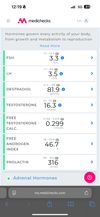
The user is concerned about high prolactin levels and low testosterone levels after stopping finasteride for three weeks. They are considering resuming finasteride but are worried it might further increase prolactin levels.
P5P supplementation helped reverse finasteride side effects, particularly by lowering prolactin levels and restoring sensitivity. The user experienced significant improvement within a day and full recovery in a few days.
A user increased their dutasteride dosage from 0.5mg to 1mg daily, resulting in a rise in DHT levels from 148 pg/mL to 281 pg/mL, and is considering switching back to finasteride due to continued hair loss. Replies suggest retesting and emphasize the importance of bloodwork before starting treatments.
The user is applying topical finasteride with stemoxydine for hair loss and has noticed hair thickening but no regrowth after two months. They also report high SHBG and prolactin levels and a lack of morning erections, even on low doses of medication.
The user experienced hair improvement using a topical finasteride, minoxidil, and tretinoin combo, along with supplements like zinc, copper, magnesium, vitamin D3, K2, iodine, and boron. They believe these changes are due to addressing mineral deficiencies and possibly thyroid issues, despite skepticism from others.
PTD-DBM is being explored for hair regrowth by targeting CXXC5, with clinical trials expected after pre-clinical studies. Users express anticipation and skepticism about its effectiveness.
The user added P5P (vitamin B6) to their shampoo to reduce scalp itch, which improved significantly. They have been using finasteride for hair loss but are exploring additional treatments like topical antiandrogens and prolactin inhibitors.
High prolactin levels may contribute to hair loss, and some users suggest supplements like mucuna pruriens, vitamin B6, vitamin E, L-Tyrosine, L-Theanine, DIM, and Zinc to lower prolactin. Lifestyle changes to increase dopamine, such as reducing screen time and stress, are also recommended.
JeremySoCa's DHT level was 29 ng/dl, considered low, and Estradiol was 26.1 pg/dl within the normal range. They are using topical finasteride for hair loss and had a thyroidectomy due to Graves' disease.
A user is concerned about hair loss in the temple area despite using Minoxidil and finasteride for 10 months and is curious if PP405 can help. Responses indicate uncertainty about PP405's effectiveness, with some optimism about future treatments and AI speeding up drug discovery, but emphasize waiting for clinical trial results.
The conversation discusses the potential benefits of adding Vitamin B6 (P-5-P) to topical hair loss treatments like RU58841, finasteride, or minoxidil. The user suggests that Vitamin B6 might enhance these treatments by naturally lowering scalp prolactin.
The conversation is about the use of peptide therapies for hair loss, specifically GHK-CU, ZN-Thymulin, and PTD-DBM. The user is seeking feedback on the effectiveness of these treatments from those who have tried them.