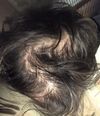
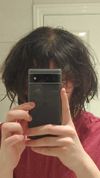
The user is struggling with seborrheic dermatitis and plans to try ciclopirox olamine after finding ketoconazole too drying. They are also using finasteride daily.
Verteporfin is discussed as a potential treatment for hair regrowth, but skepticism exists about its effectiveness in regenerating extracted hair follicles. The conversation also mentions the possibility of needing a hair transplant by 2028.
The conversation is about the release of a new phase 3 clinical trial for a year and questioning if the results of the 6-month clinical trials will be shown this quarter. The specific treatment discussed is Pyrilutamide.
A 24-year-old male using topical finasteride for hair loss is experiencing thinning despite treatment and has high estrogen levels. He is seeking advice on whether high estrogen could be causing hair loss and how others with high estrogen levels have addressed it.
The user improved diffuse thinning without finasteride by using minoxidil foam, cold showers, gentle hair drying, 2% ketoconazole, sulfate-free tea tree oil shampoo, dermastamping, and supplements like Omega-3, Vitamin-D, Biotin, Keratin, Collagen, B3, Zinc, and Magnesium. The regimen was followed for about six months under dermatologist guidance.
The user has been using finasteride (2mg daily) to halt hair loss and is considering dermarolling with essential oils (Rosemary, Thyme, Peppermint, Tea Tree, Lavender, Jojoba) to restore the hairline. They are hesitant to use Minoxidil due to concerns about losing gains if they stop.
A user is seeking recommendations for doctors who perform Dutasteride mesotherapy in NJ or PA, as they are having trouble finding one through Google. The conversation focuses on finding a suitable provider for this specific hair loss treatment.
The conversation is about whether Saw Palmetto, which has similar but less potent effects to Finasteride, could cause the same side effects due to lowering DHT levels. The user is considering oral Saw Palmetto as an alternative to Finasteride for hair loss treatment.
The user shared their experience with CB-03-01 (Breezula/Clascoterone) for hair loss, noting reduced shedding and improved hair appearance but experiencing significant sleep disturbances and low energy due to HPA axis suppression. They decided to stop using it due to these side effects and are waiting for GT20029 as an alternative.
User experienced side effects from oral finasteride and tried topical Alfatradiol for hair loss. Alfatradiol provided maintenance without significant regrowth, and user suggests it as an alternative for those struggling with finasteride side effects.
The user is experiencing hair loss despite using finasteride, minoxidil, and needling since March. They suspect needling too deeply might be an issue and have adjusted the depth recently.
Clascoterone 5% shows potential for hair thickening and darkening, especially when combined with treatments like finasteride. It may be a good alternative for those who experience side effects from other treatments.
A user's two month update on their hair loss journey and the treatments they are trying, which include exosome injections, minoxidil, finasteride, and RU58841.
The conversation discusses alternatives to 5AR inhibitors for hair loss treatment, suggesting options like minoxidil, KX-826, pyrilutimide, microneedling, and topical bicalutamide. Concerns about side effects and the effectiveness of these treatments are also highlighted.
The conversation discusses the effectiveness of dutasteride injections for hair loss, often paired with oral minoxidil and oral finasteride/dutasteride. The user is seeking information on U.S. clinics offering this treatment.
The post is about a user starting a hair loss treatment using finasteride, micro needling, and nizoral. The conversation includes supportive replies from other users.
Mixing topical solutions like Morr F 10% (Minoxidil) and L'Oreal Seryoxyl (Stemoxydine) before application may not reduce their effectiveness. The goal is to apply treatments all at once instead of multiple times a day.
The user has been using finasteride for 5 months without hair regrowth or loss and is considering adding dermarolling to their regimen. They are seeking advice on the effectiveness of finasteride with dermarolling, the type of dermaroller to use, aftercare products, and concerns about shedding from dermarolling alone.
A user beginning to take Pyrilutamide as a treatment for their hair loss, and other users sharing their experiences with the drug or similar treatments such as Minoxidil, Finasteride, and RU58841.
An 18-year-old experienced severe side effects, including heart palpitations and high blood pressure, after using RU58841 once, leading to a referral to cardiology for suspected left ventricular hypertrophy. The user regrets using RU58841 and seeks advice on recovery, while others suggest preexisting conditions or genetic predispositions may be factors.
The conversation discusses a user's unconventional hair loss treatment involving scalp massage, dermastamping, and pouring hot water to induce a burning sensation, with a warning not to try it without further evidence. Other users suggest more traditional treatments like Minoxidil and finasteride, while expressing skepticism and concern about the hot water method.
Pelage is recruiting for phase 2 trials, showing promise for treating bald regions. The discussion highlights its potential effectiveness based on its mechanism of action.
The conversation discusses the differences between KB solution and PG + Ethanol solution for RU58841 in treating hair loss. It compares the effectiveness and properties of these two solutions.
Hair loss discussion includes LLLT treatments and a satirical condition called PLLLTS, causing patients to resemble lighthouses and attract moths. Some users express concern about others taking the satire seriously.
Alfatradiol (0.025%) is an effective and safe treatment for androgenetic alopecia in both men and women, increasing anagen hair rates with minimal side effects. Users discuss its cost-effectiveness and ease of use compared to other treatments like finasteride and RU58841, with some combining it with stemoxydine and Minoxidil.
The conversation is about experimenting with topical Viagra or Cialis for hair loss, including methods for dissolving the tablets. The user is also using herbal oil massages and considering using Ethanol/Propylene Glycol for better dissolution.
The conversation is about someone using minoxidil, low-dose aspirin, and LLLT for hair loss, finding microneedling painful, considering topical finasteride, and feeling frustrated enough to think about shaving their head. They are inquiring about the effectiveness of combining oils like peppermint, rosemary, and castor for hair loss treatment.
The conversation is about the best vehicle for RU58841, comparing trichosol and Garnier/Vichy Stemoxydine, avoiding propylene glycol (PG) or ethanol due to previous scalp damage. The user is also seeking sources for these products in the EU.