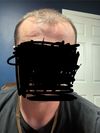
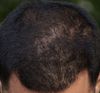
A user shared their 1.5-year hair restoration journey, successfully using mesenchymal stem cell therapy, Platelet Rich Plasma (PRP) injections, and a topical compound of finasteride and minoxidil, avoiding a hair transplant and oral finasteride. They experienced significant hair regrowth, particularly crediting the stem cell therapy for quick initial results.
Hair loss treatments like Minoxidil, finasteride, and potential mRNA therapies are discussed. There is skepticism about targeting specific genes due to the complex genetic nature of hair loss.
Emerging hair loss treatments like PP405, a topical MPC inhibitor, show promise in activating stem cells for hair growth. The conversation seeks information on the development stages and accessibility of these treatments.
People discussing hair loss and treatments like hair transplants, finasteride, and minoxidil. Many share experiences and plans for hair restoration, emphasizing the emotional impact and the importance of a positive mindset.
The user regained hair using a routine including Nizoral shampoo, 0.5mg finasteride daily, topical minoxidil at night, and microneedling every two weeks. They switched from topical to oral finasteride to save money.
To maintain hair regrowth, users suggest parting the hair to apply treatments like minoxidil and finasteride directly to the scalp. Consistent application is necessary to prevent hair loss from returning.
The conversation is about whether treatments like finasteride, dutasteride, and minoxidil can make single hair follicles produce multiple hairs again. The user is curious if these medications can thicken hair and prolong the growth phase.
A 16-year-old has been using microneedling, rosemary oil, coconut oil and egg mask, Nizoral shampoo, saw palmetto, and supplements for hair loss and is asking if there's progress. It's suggested to replace some oils with minoxidil, continue saw palmetto, and possibly start finasteride at 18.
A 25-year-old shared their hair regrowth journey using topical minoxidil, then switching to oral minoxidil and finasteride, experiencing significant improvement but planning a future hair transplant. Other users discussed their experiences with treatments like dutasteride, with some expressing concerns about side effects and treatment effectiveness.
The user is experiencing hair regrowth and increased hair thickness after using supplements like biotin, zinc, selenium, and a complex with various natural ingredients, along with topical caffeine. They are considering using topical minoxidil and mesotherapy in the future.
A 19-year-old is using finasteride, dutasteride, and minoxidil to combat hair loss, seeing improved hair density but minimal hairline regrowth. Users suggest patience, continued treatment, and possibly considering a hair transplant in the future.
TWIST-1 gene's role in hair loss and potential as a treatment target. Inhibiting TWIST-1 may prolong hair growth and reduce hair follicle sensitivity to DHT.
The user experienced significant hair regrowth after 13 months using oral minoxidil, finasteride, and biotin. The conversation highlights the effectiveness of the treatment and discusses the potential benefits of switching to dutasteride.
The conversation discusses the use of trichoscopy to predict hair loss patterns and inform treatment approaches. Treatments mentioned include minoxidil, finasteride, and dutasteride, with varying effectiveness based on gender-specific hair loss patterns.
Hair loss, DHT and bloodflow with Andrew Huberman; the discussion includes opinions about supplements, finasteride, minoxidil, turmeric, coffee and botox injections for hair loss.
The post discusses a hair loss treatment regimen including oral finasteride, topical minoxidil, a rejuvenating scalp serum with caffeine, rosemary, and ginger, topical ketoconazole, saw palmetto, and derma rolling. The user seeks advice for scalp pimples and irritation.
A user shared their 16-month progress using a minoxidil and finasteride spray combo, showing significant hair regrowth. The discussion includes praise for the results, questions about treatment specifics, and debates on the effectiveness of topical versus oral finasteride.
A human trial involving verteporfin for hair regeneration, with the results showing some regrowth of 1-2 hairs in an area where a follicular unit was extracted. The conversation also suggested that future studies should involve higher doses and more frequent injections.
A 23-year-old male had a hair transplant with 3500 grafts and is using finasteride, minoxidil, hair vitamins, and a keto shampoo. He seeks advice on crown regrowth and when to start dermastamping.
Methods of treating hair loss, such as using Minoxidil and Finasteride, as well as the potential use of RU58841. People have shared their experiences with these treatments, discussing the success of them in aiding hair growth.
A user's journey with hair loss and their use of topical finasteride, minoxidil and pyri/minoxidil ratio treatments to attempt hair regrowth. Replies focused on offering support and advice while sharing personal experiences with different treatments.
An 18-year-old noticed significant hairline recession and is concerned about further hair loss. They plan to improve their lifestyle and are advised to use finasteride and minoxidil and consult a dermatologist.
A 36-year-old experienced significant hair regrowth using dutasteride, oral and topical minoxidil, and keto shampoo, and plans a hair transplant for further improvement. Despite progress, they seek hairline restoration and have scheduled a transplant of 3,000 grafts.
The conversation suggests waiting a few years before considering a hair transplant, as the current treatments (finasteride, oral minoxidil, PRP, and microneedling) may still yield results. Many recommend continuing with the current regimen and possibly adding dutasteride if necessary, while others advise against rushing into a transplant at 18.
The user has been using topical minoxidil and oral finasteride for hair regrowth, noticing some improvement and baby hairs at the hairline after four months. Suggestions include continuing the current treatment, considering microneedling, ketoconazole shampoo, vitamins, and possibly RU58841, while avoiding a hair transplant.
Hair systems are effective for hair loss, offering benefits over treatments like finasteride. Personal choice and confidence in appearance are emphasized.
A user shared impressive hair regrowth results after 4 months using topical minoxidil and dutasteride but is concerned about slow-growing baby hairs. Responses suggest patience, as full results can take up to 2 years.
A 21-year-old experienced significant hair loss after steroid use and stopping minoxidil. He plans to regrow his hair using a regimen of dermarolling, Lipogaine, finasteride, and vitamins.