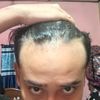
The conversation discusses hair loss treatments, specifically Minoxidil, finasteride, and RU58841. It also mentions a new hair transplant therapy approved by the government.
The user is experiencing hair loss at Norwood 2.5 and is using minoxidil, finasteride, and vitamins, noticing minimal regrowth after 8 months. They are considering using a dermaroller but are unsure of its effectiveness.
The user experienced hair regrowth with Minoxidil but noticed some hair loss after stopping microneedling for two months. They are hesitant to use finasteride again due to side effects and are considering other DHT blockers.
A 20-year-old is experiencing hair shedding two months after starting 2.5mg oral minoxidil and topical finasteride. They notice thinning in areas where finasteride is applied but also see new baby hairs growing.
A 24-year-old is experiencing aggressive hair shedding despite past success with mesotherapy and minoxidil, and is considering adding treatments like Expecia, dermapen, or a hair transplant. Many suggest using finasteride to maintain hair, as it is necessary even after a transplant, and side effects are rare and reversible.
The potential availability of a new hair loss treatment called HMI-115, which has shown promising results in experiments on monkeys but is not yet available to the public. Replies cautioned against using unproven substances from shady labs.
The user experienced noticeable hair growth after starting dermarolling with a 1mm device, using minoxidil, and nizoral shampoo. They plan to reduce dermarolling frequency to three times a week and are considering additional treatments like finasteride or a hair transplant for increased hair density.
The conversation is about a 24-year-old using microneedling and essential oils, specifically neo hair lotion, to promote hair growth on the temples. The user reports seeing hair growth without using medications, using a 0.5 mm needle roller and planning to switch to a 1.0 mm needle.
The user showed hair regrowth after two years using finasteride, minoxidil, micro needling, and ketoconazole shampoo, noticing significant improvement around 8-10 months without experiencing shedding. They achieved thicker hair and improved temples, allowing them to style their hair without wearing hats.
The conversation discusses hair regrowth using 0.1% finasteride, 5% minoxidil, 1% retinoid, weekly microneedling, and red light therapy, with noticeable improvement in a short time. One person is curious about the retinoid application process when used with minoxidil.
The user discusses using Minoxidil and Finasteride for hair loss and plans to counteract potential facial aging from Minoxidil with tretinoin, a jade roller, dandelion root extract, and careful water and sodium intake. They also consider switching to topical Minoxidil and using supplements to enhance treatment response.
A 29-year-old is using 5% topical minoxidil, 5 mg oral minoxidil, 1 mg finasteride, Nizoral shampoo, and weekly microneedling to treat hair loss, reporting significant progress in hair regrowth and hairline improvement. The routine includes applying minoxidil twice daily, managing dead skin with shampoo, and using a baseball cap to maintain hair appearance.
Scalp micropigmentation (SMP) is a debated hair loss solution, with some praising its natural look and low maintenance, while others criticize it for looking unnatural and being a temporary fix. Many prefer traditional hair restoration methods like hair transplants or medications such as finasteride and minoxidil.
A user with long-term hair loss has been using topical minoxidil, finasteride, RU58841, ketoconazole, and dermastamping for 8 months. They are unsure if the new hairs are miniaturized or vellus.
The user experienced significant hair regrowth over seven months using a combination of oral dutasteride, minoxidil, microneedling, vitamin D, biotin, zinc, and iron. They plan to continue treatments to prepare for a potential hair transplant.
The user experienced significant hair regrowth in 5 weeks using Minoxidil, Finasteride, Dutasteride, biotin, collagen, derma stamping, and a mixture of oils, leading others to label them a "hyper responder." Some users advised caution with microneedling frequency to avoid potential scarring.
Dermastamp is preferred for hair growth and skin health due to fewer scars, with recommended needle sizes of 0.5-1.5mm. Dermapen is also favored over dermarollers, which are considered dangerous.
Minoxidil and finasteride are being considered for hair loss due to seborrheic dermatitis and male pattern baldness. The user is also using ketoconazole and zinc pyrithione shampoo.
The user experienced significant hair regrowth using topical finasteride/minoxidil and oral minoxidil/dutasteride, with some mild side effects that diminished over time. They plan to add microneedling to their regimen and have seen hair shedding cycles every six months, followed by thicker regrowth.
The conversation provides advice on using derma rollers, stamps, and pens for hair loss, detailing types, usage, cleaning, depth, frequency, and caution with topicals like minoxidil. The user plans to replace a roller with a pen for better accuracy and safety, and uses a castor oil/rosemary oil mix post-needling.
A user shared their hair loss progress using minoxidil, biotin, finasteride, and ketoconazole, with 7 months of microneedling. They confirmed using oral treatments.
The user experienced significant hair regrowth and improved hair quality after six months of using oral minoxidil, finasteride, and micro-needling. They reported increased libido initially but no other side effects, and they plan to continue the treatment.
A user shared progress pictures showing baby hairs appearing on their NW7 scalp after 4.5 months of using Propecia (finasteride) and minoxidil. They are hopeful these baby hairs will lead to full coverage.
User Topher1999 achieved hair regrowth using Dutasteride 3 times a week and microneedling with Dr. Pen Ultima A6 every 2 weeks for 9 months. They believe microneedling is the main reason for hairline gains.
A 21-year-old experiencing hair loss since age 16 is using 1mg dutasteride, 5mg minoxidil, and Nizoral, with occasional microneedling, but stopped microneedling due to scalp inflammation. They report some patchy regrowth, with stronger results at the front than the midsection.
User reports seeing fast hair regrowth after 1 month and 12 days using 0.3% Finasteride and 6% Minoxidil. They are considering microneedling and received advice to use a derma stamp.
The user is experiencing positive results in hair regrowth using a protocol that includes minoxidil, dutasteride, essential growth serum, argan oil, trioxidil shampoo, ketoconazole shampoo, and microneedling. They express hope and satisfaction with the progress after six weeks of treatment.
Hair loss discussion includes homemade 15% Procyanidin B2 apple skin extract as alternative to Minoxidil. User reports thicker hair, but no new growth yet.
The conversation is about hair regrowth using topical finasteride, minoxidil, and microneedling, with some users noticing new hair growth. The original poster also takes protein, biotin, and vitamin D supplements and prefers topical treatments due to concerns about side effects from oral finasteride.