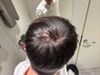
Hair loss discussion includes Amplifica, a new treatment by Dr. Rassman and Dr. Plikus using molecules from hairy moles. No progress updates mentioned.
Finasteride, dutasteride, and minoxidil are discussed as effective hair loss treatments, with mixed opinions on their use and side effects. The conversation highlights a divide between supporting medical treatments and accepting baldness.
The emotional impact of hair loss and the risks associated with common treatments such as finasteride, dutasteride, minoxidil, RU58841, and Fluridil. People discussed their personal experiences with these treatments, including potential side effects and lowered fertility. Hair transplants were also mentioned as a possible solution.
OP is considering adding topical bimatoprost or latanoprost to their hair loss treatment, which already includes oral minoxidil, and is seeking reliable sources for these products. Users discuss the effectiveness and sourcing of these treatments, with some using bimatoprost for both hairline and eyelashes, and others planning to use latanoprost mixed with finasteride.
Dr. Kyle Gillet mentioned on Dr. Andrew Huberman's podcast that dutasteride mesotherapy blocks DHT conversion only in the scalp and is the most promising topical treatment. Users discussed concerns about systemic absorption and the practicality of dutasteride injections.
A hair restoration case involved injecting four different doses of Verteporfin into the mid scalp and using Scalp MicroPigmentation (SMP) around the extraction areas. Photos were taken and an update will be shared soon.
The conversation discusses using estradiol mesotherapy to replicate hormone replacement therapy results while minimizing systemic exposure. It also covers the use of Spironolactone cream, which reportedly has no systemic side effects, and the potential risks of using bicalutamide and Spironolactone in men.
A 26-year-old male shared his hair loss treatment journey using finasteride, minoxidil, dutasteride, and microneedling, noting dissatisfaction with hair thickness but hoping for improvement. Users discussed side effects, treatment effectiveness, and shared personal experiences with similar treatments.
Improving hair health involves not only using treatments like finasteride, minoxidil, and ketoconazole but also focusing on a healthy lifestyle, including diet, exercise, and stress management. A balanced approach enhances treatment effectiveness and overall well-being.
A 35-year-old has seen no hair regrowth after 9 months using treatments including finasteride, pyrilutamide, microneedling, ketoconazole shampoo, and topical dutasteride, but experienced side effects with RU58841. Commenters suggest starting minoxidil for better results and question why it wasn't included from the beginning.
In the post, Rauph talks about how both finasteride and minoxidil have been effective treatments for his hair loss, suggesting that they should be used by others in similar situations.
The conversation is about the anticipation of results for a hair loss treatment study, specifically for GT20029, with expectations for the results to be released in the first quarter of 2024. No specific treatments were discussed.
A 29-year-old is using liposomal topical finasteride/minoxidil and low-level light therapy (LLLT) to improve hair growth, showing significant progress in crown recovery. The user prefers liposomal topicals to avoid side effects from oral finasteride and uses the iRestore Essential device for LLLT.
PP405 is a new hair loss treatment showing early promise with a 20% hair density increase, but skepticism exists due to past failures of similar treatments like Pyrilutamide, RU58841, and Bimatoprost. Users debate its potential effectiveness, with some hopeful due to Google's involvement, while others urge caution without more evidence.
The conversation discusses the potential availability of a new hair loss treatment, GT20029, on the grey market, with users suggesting it could be within a year but advising against using grey market products due to safety concerns and complexity of the drug.
The user is using a combination of microneedling, minoxidil, tretinoin, scalp massages, and red light therapy to address hair loss, with a focus on the hairline and temples. They emphasize the importance of scalp massages and have seen regrowth, attributing success to their comprehensive routine.
Someone who is starting to experience hair loss and is considering multiple treatments, such as minoxidil, finasteride, dutasteride, and a hair transplant, to manage it. Replies provide advice on how to approach these treatments safely and effectively.
A 20-year-old is using dutasteride, minoxidil, finasteride with stemoxydine, alfatradiol, ketoconazole shampoo, and dermapen for hair loss and is considering mixing these treatments to save time. They are also contemplating a hair transplant that requires 3500 grafts.
The user's hair regrowth plan includes topical treatments (RU58841, azelaic acid, ketoconazole), oral supplements (Gia Herbs, castor oil), microneedling, PTD-DBM peptide with valproic acid, red light therapy, inversion table with scalp massage, and platelet-rich fibrin injections. Commenters suggest that finasteride and minoxidil are essential treatments for male pattern hair loss, which are missing from the plan.
Dermatologists use treatments like oral minoxidil, finasteride, and RU58841 for male-pattern baldness, considering side effects and patient preferences. Photobiomodulation is noted as mildly effective but costly, while PRP is debated for its effectiveness compared to microneedling.
Pyrilutamide and its effectiveness for treating hair loss, with advice from other users cautioning to wait at least 6 months before expecting any results. Treatments discussed include finasteride and minoxidil.
The conversation discusses hair regrowth using dissolvable microneedles loaded with rapamycin and epigallocatechin gallate nanoparticles. Specific treatments mentioned include Minoxidil, finasteride, and RU58841.
A 22-year-old is using a hair loss treatment protocol including dutasteride, microneedling, 10% minoxidil, 0.1% finasteride topical, a healthy diet, and a hair multivitamin. Users discuss the effectiveness of microneedling and the intensity of the treatment.
OP reported significant hair regrowth using oral minoxidil 5mg, dutasteride 0.5mg, and dermastamping. Users discussed side effects, effectiveness of treatments, and debated dermastamp needle sizes.
The user is experiencing hair regrowth using 1mg oral finasteride daily, Minoxidil foam twice a day, and microneedling weekly with a 1.5mm needle. They are seeking feedback and suggestions to optimize their hair regrowth.
A 25-year-old is considering treatments for hair regrowth, including ketoconazole shampoo, 5% Minoxidil, Minoxidil with Tretinoin, and possibly ordering RU58841. They are hesitant about using Dutasteride or Finasteride due to perceived risks but are motivated to regrow hair to improve appearance due to visible veins from low body fat.
A male in his early 20s with CCCA (scarring alopecia) started treatment with Finasteride, Fluocinolone, and Doxycycline. Steroid injections were suggested but not yet done.
The conversation is about a hair loss treatment regimen that includes finasteride, dutasteride, oral minoxidil, Dermapen, quercetin, N-acetyl L-cysteine, biotin, millet seed extract, MSM, OPC, green tea extract, high-dose vitamins B1-B12, boron, and silica. The user is seeking advice on additional treatments.
The user shared their hair loss treatment progress using oral and topical dutasteride, topical minoxidil, microneedling, and keto shampoo. They plan to possibly add LLLT, PRP with exosomes, and other treatments in the future.
The conversation is about a user's 26-month hair loss treatment journey using finasteride, minoxidil foam, and microneedling, with gradual improvement in their hairline. The user applied treatments consistently and adjusted the frequency of microneedling based on feedback, noting that progress can feel slow compared to others.