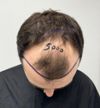
The conversation is about frustration over the delay in phase 2 results for a hair loss treatment called GT20029. One user suspects the treatment may have failed.
The conversation is about the anticipation of results for a hair loss treatment study, specifically for GT20029, with expectations for the results to be released in the first quarter of 2024. No specific treatments were discussed.
The conversation is about using PTD-DBM and valproic acid for hair loss. The user is inquiring about the dosage of these treatments, noting that valproic acid is used at a 7.5% solution.
OP has been using alfatradiol and a mix of rosemary, peppermint, and jojoba oils for hair loss, with inconsistent dermapen sessions. They plan to add topical finasteride at 0.025% later.
A user with thinning hair and a bald spot seeks advice on starting dermarolling for hair regrowth. They ask about using vitamin E and Rogaine alongside dermarolling.
The conversation is about finding a source for sterile dutasteride for mesotherapy to avoid side effects from oral 5AR blockers. The user is currently using microneedling and 0.01% topical dutasteride and plans to use transplants.
The user applies castor oil and uses silicon scalp massagers daily, questioning if the massages cause more hair loss or if the hairs would fall out naturally. They believe the hairs are in the telogen phase and would shed regardless of the massage.
Microneedling can cause infections if not done carefully; users suggest using alcohol swabs and reducing needle depth to avoid issues. Proper sanitation and gentle pressure are key to preventing bleeding and infection.
The conversation discusses GT20029, a compound by Kintor Pharma that degrades androgen receptors and is in trials, with potential as a hair loss cure. Another promising treatment mentioned is an antibody that blocks prolactin and has shown positive results in macaques.
Minoxidil should be applied first, allowed to dry, then emu oil can be applied. Emu oil is recommended for daily use, but it may not need to be washed off daily.
A user shared impressive progress at 4 months post-hair transplant with 5120 grafts by Dr. Ahmet Yildirim in Istanbul. The user expressed satisfaction with the results, which exceeded expectations.
The user shared a two-year update on hair loss treatment using oral minoxidil, finasteride, and microneedling, noting significant progress after starting oral treatments and microneedling. They began treatment in early 2023 after noticing hair loss in late 2021.
A Korean laser helmet increases hair growth by 44% compared to a placebo. Users discuss its cost-effectiveness, clinical support, and compare it to treatments like finasteride and minoxidil, focusing on wavelength and energy density.
The user shared progress pictures showing hair improvement after using 1mg finasteride daily and 5% minoxidil spray once a day for six months. Other users suggested adding microneedling to enhance results and discussed side effects and product recommendations.
The user switched from minoxidil to a homemade 2-deoxy-d-ribose gel and noticed no hair fall after two weeks, despite stopping minoxidil. The gel includes water, 2-deoxy-d-ribose, vegetable glycerine, 2-phenoxyethanol, sodium alginate, and rosemary oil, and the user reports healthier-feeling hair.
The user is 2 months into using 0.5 mg finasteride, rosemary oil daily, vitamin B12, a 0.5 mm derma roller, and ketoconazole weekly for hair loss. They plan to update their progress monthly.
Exosomes, cetirizine, melatonin, latanoprost, and caffeine are discussed as potential hair loss treatments. There is skepticism about the effectiveness of exosomes, especially in topical form, but some users report positive results.
OrganTech is working on regenerating hair and teeth, with positive results in mice, but skepticism remains about progress for humans. Users express frustration over the lack of advancements in human hair loss treatments, despite ongoing research and trials.
The conversation discusses the lack of experiments combining verteporfin and microneedling for hair loss treatment. The user expresses interest in participating in a group buy to try this method.
GHK-Cu injections led to unexpected temple hair growth for someone who had been using minoxidil and finasteride for over a decade. The user plans to continue using GHK-Cu and experiment with a DIY AHK-Cu serum.
Significant hair improvement in 3 months using topical 5% Minoxidil twice daily, 1mg Finasteride on alternating days, and weekly microneedling. Users express encouragement and admiration for the progress.
The conversation is about the effectiveness of Maneup GHK-Cu hair growth serum, a topical treatment for hair loss. The user is considering trying it but is skeptical due to issues others have had with DIY injections of a similar substance.
The conversation discusses personal experiences with hair loss and highlights the potential impact of anemia and nutrient deficiencies on hair health. Treatments mentioned include changing shampoo/conditioner, taking MSM, collagen, hyaluronic acid, astaxanthin, B12, folate, and bovine blood capsules.
A user's progress pictures that show the results of their hair loss treatments, such as minoxidil and finasteride, along with dermarolling and clippers. They have been trying to recover from severe hair loss since 2021.
The conversation is about analyzing receded temple closeups for signs of fibrosis, scarring, or androgenetic alopecia (AGA). Specific treatments like Minoxidil, finasteride, or RU58841 are not mentioned in the conversation.
The conversation is about seeking updates on new hair loss treatments, specifically mentioning scube3 and GT20029, with one person mentioning HMI_115 as showing promising results.