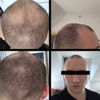
Finasteride changed the user's hair texture from wavy to curly, reverting after stopping. Minoxidil was more effective for temple hair regrowth than finasteride.
Hair loss can significantly impact confidence and mental health, but there are various treatments like finasteride, minoxidil, dutasteride, hair systems, and lifestyle changes that may help. It's important to maintain hope and focus on what can be controlled, as different solutions work for different people.
The hair transplant has a straight, unnatural-looking hairline that many find unappealing. The person is not using finasteride or minoxidil, which may affect future hair retention.
Finasteride and minoxidil are praised for effectively treating hair loss, with users sharing positive experiences and some discussing side effects. Others express concerns about limited treatment options and the need for more research and alternatives.
PP405 shows potential for hair growth, with 31% of advanced balding men experiencing over 20% increase in hair density in 8 weeks. However, skepticism persists due to selective data presentation and lack of long-term results, with comparisons to treatments like minoxidil and finasteride.
PP405 increased hair density by 20% in 31% of participants, but results are considered underwhelming. Minoxidil and finasteride are seen as more effective treatments.
Creatine does not cause hair loss, but it may accelerate hair loss in those predisposed to male pattern baldness. Finasteride users report mixed experiences with creatine, with some noticing no change and others experiencing increased shedding.
The user was rejected from participating in a clinical trial for an extended-release oral Minoxidil due to having rheumatoid arthritis, despite initially being accepted. They had stopped using Dutasteride and Minoxidil to qualify but continued using other treatments like RU58841 and red light therapy.
A user's 18-month hairline progress using minoxidil, finasteride, Nizoral, microneedling, and scalp massage. They share their routine and discuss treatment effectiveness and photo order confusion.
Finasteride and Dutasteride are used for hair loss, with Dutasteride often in gel form for better bioavailability. Switching from Finasteride to Dutasteride is common, with some users combining treatments like Minoxidil for improved results.
A 24-year-old male shared his progress after over two years of using finasteride and topical minoxidil, reporting significant improvement from Norwood 3 to Norwood 1.5 with minimal side effects, mainly watery semen. Other users discussed their experiences with similar treatments, noting varying results and timelines for hair regrowth.
Choosing hair loss treatments is challenging due to concerns about side effects from finasteride and minoxidil. Users suggest starting with topical treatments and gradually increasing dosage, while some recommend oral finasteride for its effectiveness despite potential side effects.
Hair loss treatments like finasteride, minoxidil, and dutasteride are discussed, with users sharing mixed experiences about effectiveness and side effects. Some users report positive results, while others express concerns about side effects, highlighting the importance of personal choice.
The conversation discusses hair loss treatments, specifically the use of oral Minoxidil 5mg and Finasteride 1mg, with users sharing their experiences and progress. The original poster reports no side effects and noticeable progress after four months of treatment.
A user encouraged others experiencing hair loss to try shaving their heads, sharing their own positive experience despite briefly using finasteride and natural methods. Responses were mixed, with some supporting the decision and others suggesting treatments like minoxidil and finasteride, while many commented on the appearance changes.
The conversation discusses finasteride for hair loss, especially among those with a history of depression. Users shared mixed experiences, with some reporting no issues and others experiencing worsened depression.
Finasteride can cause gynecomastia due to hormonal imbalances. Management includes consulting an endocrinologist and using aromatase inhibitors like anastrozole or supplements like DIM and zinc.
The user had a rough week after being told they couldn't get a hair transplant due to insufficient donor area and worsening balding. They were advised to increase their oral Minoxidil dosage and consider switching from Finasteride to Dutasteride.
A user is struggling with hair loss at 17 and has been using finasteride for 5 months and minoxidil for 11 months without seeing regrowth. Other users encourage continuing treatment, sharing their own experiences with finasteride, minoxidil, and dermarolling, and emphasizing patience and acceptance.
A user expressed deep frustration and embarrassment about balding, especially at a friend's wedding, and mentioned using finasteride and minoxidil. Others shared similar experiences and offered support, with some suggesting therapy and hair treatments.
A user shared progress pictures after 5 months of using finasteride, noting hair growth and minimal side effects. They suggested adding minoxidil for further hair growth if needed.
A user shared their one-year progress using finasteride 1mg three times a week, starting at age 25, with noticeable regrowth after three months and no side effects. Other users discussed their experiences with finasteride, minoxidil, microneedling, and dutasteride, noting varying results and side effects.
A user shared their 11-week post-op hair transplant results, noting they use only vitamins, not minoxidil or finasteride. Replies suggest starting finasteride to maintain results, with mixed opinions on the current progress.
Start finasteride and minoxidil early to prevent significant hair loss and maintain styling options. Finasteride can reduce acne and improve skin appearance.
A 25-year-old male has been using finasteride every other day for over six months to address hair loss but continues to experience significant hair shedding. He is considering minoxidil but is hesitant due to scalp issues and potential side effects, and is contemplating whether to increase his finasteride dose or try other treatments.
A user is trying to regrow hair using a natural approach without Minoxidil or finasteride, focusing on micro-needling, red light therapy, and various oils and serums. Other users suggest that medical treatments are more effective for male pattern baldness.
A user shared their positive experience with thicker hair and improved confidence after a year and a half of using finasteride without side effects. Specific treatments discussed include oral finasteride, with a question about the daily dosage.
The conversation speculates on whether Tom Cruise uses hair loss treatments like Finasteride or Dutasteride, with some suggesting he naturally has good hair like Brad Pitt, while others joke about Scientology or genetics playing a role. Specific treatments mentioned include Finasteride, Dutasteride, and possibly high-quality hair products or procedures like PRP (Platelet-Rich Plasma).
A user is considering using RU58841 to treat hair loss and asks if it can be effective for 4-5 years. Some suggest starting with a lower concentration and debate the safety of RU58841 compared to approved drugs like finasteride.