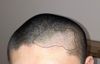
The user has been using minoxidil and finasteride for hair loss without positive results and switched to dutasteride 1.5 months ago. They suspect seborrheic dermatitis might be affecting the effectiveness of these treatments.
RU58841 is used by some for hair loss when finasteride and minoxidil are ineffective. Users report mixed results, with some experiencing side effects like chest pain and mood changes.
A user shared their hair restoration journey using oral and topical finasteride, experiencing side effects with the former. They later switched to microneedling, scalp massages, and vitamins (D3, Zinc, Biotin, B complex, Vitamin E) with mixed feedback on progress.
Exploring the potential of using verteporfin during hair transplants to minimize scarring and regenerate follicles, as well as discussing a possible standardized protocol for this treatment.
A 32-year-old male is considering options to soften a dense transplanted hairline after experiencing accelerated hair loss and intolerance to finasteride and dutasteride, while using minoxidil. He is exploring partial electrolysis or laser treatments to achieve a natural look with a short buzz cut, avoiding a second transplant or scalp micropigmentation.
The user experienced temple recession, shedding, and acne while on 0.5mg dutasteride, 1.25mg finasteride every other day, and 5mg oral minoxidil daily. They are considering switching treatments due to worsening symptoms and are contemplating using a topical anti-androgen like RU58841.
The user experienced side effects from daily 1 mg Finasteride and switched to 0.5 mg every other day, supplemented with creatine, tongkat ali, tribulus terrestris, vitamin D3, bromantane, l-tyrosine, and caffeine. They also use weekly 1.5 mm microneedling and daily 50 mg RU58841, except on microneedling days, to manage hair loss.
Dihydrotestosterone (DHT) impacts various skin conditions, including Androgenetic alopecia and seborrheic dermatitis, by causing overactivity in sebaceous glands. Topical medications Tacrolimus and Clobetasol can reduce these inflammatory conditions, and treatments like RU58841, Minoxidil, and Finasteride may also be beneficial.
The user started balding at 16/17 and tried various treatments including minoxidil, finasteride, and dutasteride with little success. They recently started applying diclofenac gel to their bald areas and noticed some hair regrowth, attributing this to diclofenac's ability to lower prolactin levels and its anti-inflammatory effects.
Low testosterone and estradiol may contribute to hair loss, and blocking DHT without sufficient hormone levels might hinder regrowth. The discussion highlights the importance of hormone balance, with some considering supplements and lifestyle changes to support hair health.
The user is experiencing diffuse hair thinning despite using dutasteride and minoxidil for over five years and is considering adding oral minoxidil, microneedling, and nizoral to their regimen. They are concerned about the effectiveness and side effects of these treatments, especially with an upcoming event.
The user experienced increased shedding and an itchy scalp after switching from Ascend to Aurobindo finasteride. They are considering switching to dutasteride and are concerned about elevated estrogen levels and the effectiveness of adding minoxidil later.
Using a derma stamp instead of a derma roller for hair growth is more effective and less damaging. The user experienced hair improvement with oral finasteride, topical minoxidil, and a derma stamp.
A human trial of verteporfin, a potential treatment for hair loss, with some users noting potential improvements in scarring and overall healing compared to control areas.
A user's experience with microneedling monotherapy and potential treatments such as finasteride, minoxidil, Stemoxydine, rosemary oil, peppermint oil, and RU58841 for reversing hair loss.
Betacarotene's effect on hair loss is discussed, with concerns about excessive vitamin A. The user also questions if 15mg melatonin impacts vitamin A levels.
A user took finasteride for hair loss 10 years ago, stopped after a month, and has since suffered from severe erectile dysfunction (ED) and other symptoms. They shared blood test results seeking advice for their condition, and others discussed similar experiences with finasteride and related drugs.
A user experienced a "watery belly" and cellulite after starting finasteride, despite maintaining a disciplined fitness routine. Others suggest checking hormone levels, as changes in DHT and estrogen could affect fat metabolism, but age might also be a factor.
Microneedling may have benefits for hair loss even if only using oral finasteride without minoxidil. The effectiveness of microneedling without minoxidil is debated.
The user experienced scalp inflammation and rapid hair loss after using minoxidil, despite initial success. Suggestions included switching to minoxidil foam, using oils, trying aspirin, and considering RU58841 for inflammation and hair loss management.
The user is updating on their hair loss treatment progress after 4 months using oral finasteride, topical minoxidil spray, and weekly 1mm dermarolling. The crown area is slowly improving, with a smaller bald spot radius compared to the previous month.
A 17-year-old is addressing hair loss with finasteride, topical minoxidil, and microneedling. They are considering adding GHK-Cu to their regimen, but others advise caution with finasteride due to age.
The user shared progress pictures showing significant improvement in hair loss after using finasteride, RU58841, and undergoing a 3000 graft hair transplant. They plan to get another transplant due to remaining thin areas.
The conversation discusses hair loss treatments, specifically using topical minoxidil, oral finasteride, ketoconazole, and derma stamping. Users share their experiences, with one noting improved scalp health and slight regrowth, while another considers switching treatments due to lack of progress.
A user is experiencing facial bloating from low-dose topical finasteride due to high estradiol levels and is seeking advice on using DIM to manage this issue, including dosage and brand recommendations.
The user wants to donate plasma to save for a hair transplant but can't take finasteride or dutasteride due to plasma center restrictions. They are considering using minoxidil and biotin instead and are seeking advice on alternative treatments.
The user is experiencing scalp irritation from using RU58841 with a 70% ethanol and 30% propylene glycol vehicle and is considering switching to a less irritating vehicle, such as 30% ethanol with 70% squalane or emu oil. They are seeking feedback on the effectiveness and irritation levels of these alternative carriers.
You cannot donate blood if you are taking finasteride or dutasteride due to potential risks to pregnant women. Finasteride has a shorter wait time to donate blood compared to dutasteride, and both oral and topical forms can disqualify you from donating.
A 23-year-old male experienced nipple sensitivity after taking 0.5 mg finasteride for 2.5 months, with blood tests showing increased testosterone and estrogen levels. He stopped finasteride temporarily and seeks advice to prevent gynecomastia.