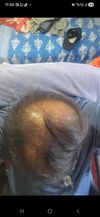
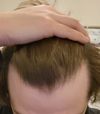
The conversation discusses the effectiveness and side effects of DUT mesotherapy for hair loss. Users are seeking evidence and pictures of successful treatments.
The user has been experiencing diffuse hair thinning despite using finasteride, minoxidil, dermarolling, clobetasol cream, and PRP sessions. They seek advice on additional treatments and are advised to check vitamin D, iron, and thyroid levels.
Chris's hair transplant looks better, but the hairline is criticized for being too straight and unnatural. Some recommend using finasteride and minoxidil for maintenance.
The conversation discusses hair thinning and treatments like finasteride, dutasteride, oral and topical minoxidil, and RU58841. Users share experiences with retrograde alopecia, hair transplants, and stress-related hair loss, while also considering thyroid issues and other potential causes.
Epristeride is a selective 5 alpha reductase type 2 inhibitor that may reduce scalp DHT similarly to finasteride, with potentially fewer side effects. It is suggested that combining epristeride with finasteride or dutasteride could enhance hair loss treatment effectiveness.
Dutasteride 0.5mg daily led to significant hair regrowth in 3 months, with minimal side effects like slight pelvic pain and increased libido. The user switched from Finasteride to Dutasteride, noticing reduced hair shedding and improved hair condition.
Hair loss treatments discussed include cosmeRNA, minoxidil, finasteride, RU58841, and pyrilutamide. Users debate effectiveness, side effects, and upcoming treatments, with some expressing skepticism and others optimism.
A user is experiencing hair thinning on the sides while wearing a hair system and has had a transplant to correct temple peaks. They are using finasteride, oral minoxidil, and rosemary oil serum, and are considering a corrective transplant to add density and achieve a natural look.
Dutasteride may not be effective for everyone due to underlying issues, suggesting scalp biopsies for further diagnosis. Users discuss using higher doses of dutasteride, topical treatments, minoxidil, and pyrilutamide for hair loss management.
Treatments for hair loss, including the experiences of topical finasteride and oral dutasteride. It also discusses Pyrilutamide, 0.025% topical concentration, Minoxidil, RU58841, and 1% finasteride gel dosage.
The user experienced heavy shedding 10 months after a hair transplant and used a topical solution of Minoxidil and Finasteride, later switching to Finoduta. They also dealt with a dry scalp and greasy hair, using various shampoos and conditioners, and sought advice on whether the shedding was normal and how to manage the dry scalp.
A user is considering switching from oral to topical treatments for hair loss due to side effects like watery semen and erectile dysfunction. They are currently using oral finasteride and minoxidil and are concerned about potential sexual side effects with topical use.
Dutasteride is humorously criticized for causing hairline damage and unwanted side effects. The conversation is satirical, with users joking about the effects of Dutasteride.
The user switched from finasteride to dutasteride due to hairline recession but noticed further hair loss and is seeking new dermatological advice. They are concerned about the effectiveness of dutasteride and are looking for help.
User experienced hair regrowth after eliminating scalp itch with RU58841. Others discussed itch and hair loss connection, and effectiveness of combining RU58841 with 5AR inhibitors.
The user shared their experience with hair loss and treatment using Dutasteride, which improved their hair thickness without side effects. They advise others to take the pill if they care about their hair and regret not starting treatment sooner.
A 35-year-old shared their 1-year hair loss treatment progress using 0.5mg Dutasteride, 5mg oral Minoxidil, topical Minoxidil, and Ducray Anaphase+ shampoo daily, noting significant changes after 4 months despite some shedding. They reported minor side effects and followed their dermatologist's advice for the treatment plan.
User seeks advice for regrowing temples, currently using Fin, oral Min, and dermarolling. Suggestions include improving scalp environment and considering RU58841 or dutasteride.
The conversation discusses a 20-year-old transgender female's one-year experience with hair loss treatments, including Estradiol HRT, oral Finasteride, Bicalutamide, and Cyproterone. Specific treatments used for hair loss are oral Finasteride and potentially Estradiol as part of hormone replacement therapy.
OP experienced hair improvement using NMN and quercetin after stopping finasteride, but later resumed finasteride due to shedding. They believe NMN and quercetin still help with hair loss.
The conversation discusses using topical dutasteride with a dermapen for hair loss treatment. The user is deciding between liposomal and mesosomal formulations for this purpose.
The user experienced side effects like shallow breathing, loss of libido, and erectile issues after using topical finasteride with minoxidil for hair loss. They are considering whether to continue the treatment despite these side effects.
Finasteride is effective for DHT/AR-driven hair loss but not for chromosome 20-driven cases, where treatments like minoxidil, prostaglandin analogs, and low-level laser therapy may be more beneficial. Genetic testing can help determine the underlying cause of hair loss to tailor treatment effectively.
A user switched from finasteride to dutasteride and experienced continuous shedding but is now seeing some regrowth. Others shared similar experiences, noting that shedding can continue but hair often improves over time with dutasteride.
The conversation discusses concerns about Scube3's effectiveness and potential cancer link. It questions whether Scube3 can regrow hair and how well it works according to researchers.
A treatment containing Wnt and Follistatin was found to be safe and effective for hair regrowth in a Phase 1 clinical trial. Specific treatments discussed include Minoxidil, Finasteride, and RU58841.
The user has been using 1mg finasteride, 2% ketoconazole shampoo, vitamins, and growth shampoo for 7.5 months to treat hair loss and is considering switching to 0.5 mg dutasteride due to slight recession and persistent symptoms. Another user commented that the user's temples appear to have improved, especially in the latest photo.
Clascoterone is being discussed for hair loss, but its current acne formulation may not be suitable for scalp use due to potential skin irritation and lower dosage compared to Breezula. Users mention other treatments like finasteride, minoxidil, and pyrilutamide, with some expressing skepticism about clascoterone's effectiveness for hair loss.