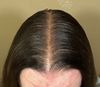
User used sublingual minoxidil for 5 months and saw progress. Also used topical dutasteride, alfatradiol, tretinoin, and reduced oral finasteride dose.
The conversation discusses hair loss treatments, specifically using topical finasteride and minoxidil combined with microneedling, along with supplements like collagen, vitamin C/D, and saw palmetto. The user also mentions using a DHT-blocking shampoo and experimenting with cold showers and contrast therapy for hair health.
User had successful FUE hair transplant with 3500 grafts, costing 3900 euros at Novohair in Berlin, gaining confidence. User lost hair due to chemo, family history of hair loss at 40-50 years old.
The user had a hair transplant and is using oral minoxidil and finasteride but seeks advice for treating the crown area. They are looking for additional recommendations for non-transplanted areas.
The user is seeing positive results in hair growth using a combination of topical minoxidil, finasteride, microneedling, and keto shampoo. They also use a red light panel for collagen rebuilding and are happy with the progress.
A 31-year-old male considering returning to finasteride at a lower dose or using topical finasteride to assess his Norwood scale for a potential future hair transplant. He previously stopped finasteride due to side effects and has been shaving his head.
A user shared their positive progress using oral minoxidil and dutasteride for hair loss after previously using finasteride and topical minoxidil. They discussed additional treatments like microneedling and ketoconazole shampoo for better results.
The user had a detailed 3.5-hour consultation with Dr. Zarev for hair loss treatment, praising his meticulous approach and innovative techniques, and was prescribed topical finasteride and minoxidil. Other users agreed on Zarev's expertise, noting his long waiting list and the high quality of his work, with one surgery per week and a focus on individual patient care.
A non-binary transfeminine person experienced significant hair regrowth after starting finasteride, minoxidil, microneedling, and hormone replacement therapy with estradiol. They encourage trans individuals concerned about hair loss to consider estrogen as it has greatly improved their hair condition.
The user experienced significant hair regrowth using finasteride and minoxidil, leading to doubts about proceeding with a planned hair transplant. Many suggest postponing the transplant to save grafts for future needs, as the current results are impressive.
User shared progress pictures after 2 months of using 5% topical minoxidil, microneedling, and recently adding 0.01% topical finasteride. The minoxidil solution also contains caffeine, azelaic acid, retinol, adenosine, biotin, and niacinamide.
A user shared their positive experience with a hair transplant, using 3,500 grafts, after trying various treatments like Minoxidil, Finasteride, and Dutasteride. They recommend stabilizing hair loss with Finasteride before considering a transplant.
The user is exploring topical Saw Palmetto as a milder alternative to microdosing topical Finasteride for hair loss, aiming to minimize systemic DHT impact. They plan to experiment with this herbal remedy for a year to assess its effectiveness on their mild androgenetic alopecia without significant side effects.
User shared 12-month hair loss progress using oral minoxidil, oral dutasteride, and 2% ketoconazole shampoo. They detailed their medication regimen and dosages.
The conversation discusses using minoxidil and microneedling to potentially thicken small hairs on the forehead after a hair transplant. It also mentions the importance of using an oral DHT blocker for hair growth.
The user is using oral minoxidil for hair loss and is considering trying Latisse on their hairline. They are also curious about the effects of latanoprost, caffeine, and melatonin topicals.
A person had a hair transplant at Diamond Hair Clinic with Dr. Mehmet Demircioglu using the Sapphire FUE method with 4500 grafts. They are using Duasteride, oral and topical Minoxidil, and vitamins for recovery and hair growth.
A user achieved significant hair regrowth from Norwood 3 to a dense Norwood 2 after five months using oral dutasteride, oral minoxidil, and a topical solution with minoxidil, retinoic acid, and hydrocortisone. The user reported no side effects and found the topical treatment especially effective for the hairline.
The conversation discusses a topical finasteride therapy with hydrocortisone butyrate, estrone base, and breviline. A user suggests oral finasteride as a superior option.
A 29-year-old is using liposomal topical finasteride/minoxidil and low-level light therapy (LLLT) to improve hair growth, showing significant progress in crown recovery. The user prefers liposomal topicals to avoid side effects from oral finasteride and uses the iRestore Essential device for LLLT.
17M approaching Norwood 2, using topical minoxidil and considering finasteride, oral minoxidil, and pyrilutamide. Plans to study dermatology and possibly get a hair transplant at 25 if treatments don't work.
The user started using oral finasteride and topical minoxidil, showing promising hair regrowth in a short time. They plan to add microneedling and possibly a hair transplant in the future.
The user is likely at Norwood 4 and is advised to use oral finasteride and topical minoxidil, with the option of a hair transplant after two years for a better hairline. Finasteride and minoxidil are considered sufficient to maintain and slightly improve current hair.
The user is using topical minoxidil and oral finasteride for hair regrowth, with plans for a future hair transplant. They are considering additional treatments like dermastamping and exploring options for dutasteride, which is unavailable in their country.
The conversation is about optimism for new hair loss treatments like Stemson's bioengineering, osteopotin, SCUBE3, GT20029, and Verteprofin, and inquires about other notable treatments.
Mesotherapy Dutasteride is considered highly effective for reducing scalp DHT and potentially reversing hair loss. However, one user reported systemic side effects and no improvement in hair loss.
A 31-year-old man shared his 2-year experience using finasteride and minoxidil after a hair transplant on the front and mid scalp, noting improvement but still having a thin crown. He recently started dermastamping, plans to use ketoconazole shampoo, and uses hair fibers for extra confidence at events.
A user's 1 year progress using a combination of treatments, including Minoxidil BID, finasteride, microneedling, tretinoin, and ketoconazole shampoo, for hair loss. Replies included advice such as to consider switching the strength of minoxidil or getting a shorter haircut.
The post and conversation are about microneedling as a treatment for alopecia. It provides a comprehensive review of scientific literature on the technique and its application.
After gyno surgery, OP is considering restarting finasteride at a lower dose (0.25mg/0.5mg) or switching to topical to reduce the risk of gyno recurrence. Lower doses and topical application may lessen side effects due to reduced systemic absorption.