A potential alternative to Minoxidil for hair loss is discussed, specifically a sugar hydrogel. Users express skepticism about new treatments becoming reality.
The user discusses using a topical solution with minoxidil, finasteride, and additional ingredients like apigenin, oleanolic acid, and biotinoyl tripeptide. They question if this combination is more effective than using just minoxidil and finasteride alone, noting they are already taking oral finasteride.
A user successfully regrew hair after nearly going bald by using oral finasteride, topical minoxidil, plasma injections, and mesotherapy over 9 months. They plan to try derma rolling and have an alarm set for taking medication, noting increased sexual drive as a side effect.
The user "OP" reported significant hair regrowth using oral finasteride, oral and topical minoxidil, ketoconazole shampoo, and derma stamping. OP experienced initial shedding but no other side effects.
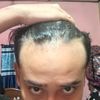
Oral minoxidil can cause side effects like shortness of breath and constipation, which may be reduced by taking it in the morning. Some users experience no side effects, while others switch to topical treatments or adjust their dosage and timing to manage symptoms.
A user shared their 3-month progress using RU58841, 10% minoxidil, and microneedling every two weeks for hair loss. They found the new minoxidil sprayer effective for applying the treatment across the scalp.
TDM-105795 is a potential hair growth stimulant that works differently from minoxidil and could be used alongside it for enhanced growth. It completed phase 2 trials in 2024, with a medium to high chance of release in 2026, but lacks recent updates or phase 3 trial information.
A 24-year-old male doctor shares his 3-month progress using 0.5 mg oral finasteride and 5% topical minoxidil daily, noting some hair regrowth and incorporating microneedling. He prefers a "less is more" approach initially and discusses the potential benefits of oral minoxidil.
The efficacy of degrading the androgen receptor through dermal application in DP cells, a delivery system for topical drugs that involves dissolving microneedles, and rosemary oil as an alternative anti-androgen.
A user shared progress pictures showing hairline improvement after using oral finasteride (1mg) and minoxidil (3mg) for 5 months. Replies praised the noticeable regrowth and encouraged continued use.
A user shared progress photos after 3 months on oral minoxidil, following 2 years of topical use, alongside finasteride, ketoconazole shampoo, and weekly derma pen treatments. Another user inquired about the dosage of oral minoxidil.
A 44-year-old man has been using finasteride 1mg daily and minoxidil 5% foam for 19 months to address hair loss, with mixed results and continued shedding. Suggestions include trying oral minoxidil, microneedling, and possibly a hair transplant for better cosmetic density.
The user started using Hims Finasteride and Minoxidil topical in July 2023, added daily microneedling in November, and switched to chewable Finasteride and Minoxidil in January with increased microneedling frequency. They observed hair regrowth, suggesting diffuse thinning may be easier to treat.
The user shared progress on hair regrowth after using 5% Minoxidil twice daily and microneedling 0.5mm a few times a week for 47 days. Other users noted visible improvement and regrowth of baby hair in the frontal temporal region.
The user reported tiny hair growth in thinning areas and improved thickness after 56 days of using 1 mg oral finasteride, 2.5 mg oral minoxidil, and a serum with Redensyl, Anagain, Capixyl, and Procapil. They also take supplements and maintain a healthy lifestyle with no noticeable side effects.
The user experienced heart palpitations after increasing their oral minoxidil dosage and starting a new topical minoxidil formulation. They wish to stop oral minoxidil for heart health and continue with topical minoxidil.
The user shared their experience with oral minoxidil for hair loss, noting initial shedding but some improvement in hair thickness and coloration. They also use dutasteride, RU58841, topical minoxidil, a laser hat, dermapen, Nizoral, caffeine shampoo, castor oil, vitamins, and MSM tablets.
A user shared their 1.5-year progress after a FUE crown transplant, using dutasteride and oral minoxidil, which improved their hairline and stabilized hair loss. They experienced dizziness from topical minoxidil but had no side effects from finasteride, dutasteride, or oral minoxidil.
The post discusses hair growth progress after using oral minoxidil and oral finasteride for four months, following a hair transplant. The user notes improved hair thickness, particularly in the mid scalp and crown areas.
The user has been using 3mg oral minoxidil, 1mg finasteride, microneedling, and topical 5% minoxidil for hair loss. They are unsure about the results, noticing some regrowth but feeling dissatisfied overall.
The conversation is about someone's 3-month hair regrowth progress using 5mg oral minoxidil and 0.5mg dutasteride daily, with visible improvement noted.
Spraying or drinking topical minoxidil is dangerous and less effective than oral minoxidil. Proper oral minoxidil, like Loniten®, is recommended for safety and effectiveness.
A user shared their experience using 5% topical Minoxidil for 18 months and recently added 1 mg oral Finasteride daily, noting minimal results so far but expecting improvement. They mentioned challenges with application consistency and technique, and are hopeful for increased hair density.
A user reported significant hair regrowth after 3 months using 1mg oral finasteride, 1ml 5% topical minoxidil, and microneedling, along with biotin, vitamin D, iron, and zinc supplements. They are optimistic about continued progress despite initial skepticism.
Eleven days after a hair transplant, the user has removed all scabs and plans to resume Oral Dutasteride and Oral Minoxidil. They will also start using a serum provided by the clinic and are sharing progress and clinic information privately to avoid negative comments.
The user has seen significant hair regrowth after one year using 1mg oral finasteride and 5% topical minoxidil, considering a hair transplant if progress stalls. They experienced an initial shedding phase and temporary erectile dysfunction, but no other side effects.
A user plans to create a DIY topical treatment for hair loss using Rapamycin, possibly combined with alpha-ketoglutaric acid (a-KG). They discuss the concentration and formulation process for Rapamycin, considering safety and skin penetration, and intend to apply it every other day to the scalp.
Topical finasteride and minoxidil are not effective for the user, who is considering switching to oral treatments like finasteride or dutasteride. Many suggest oral medications are more effective, and some recommend additional treatments like microneedling and other topical solutions.
The user has experienced limited hair regrowth using 1mg oral finasteride, topical minoxidil foam, and occasional dermarolling since August 2023. They are considering switching to dutasteride, adding oral minoxidil 2.5 mg, and RU58841 to improve results.
A new stem cell method for culturing hair follicles is being developed as an alternative to Minoxidil, finasteride, and RU58841. There are concerns about its cost and accessibility despite plans for commercialization.