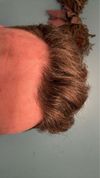
A user is seeking advice on enhancing their hair loss treatment regimen, which currently includes finasteride, minoxidil, saw palmetto, and Nizoral shampoo, with plans to add oral minoxidil, a laser cap, and various supplements. They are considering purchasing additional treatments like topical finasteride, melatonin, Eucapil, and Stemoxydine from Indian and international sources.
A user asks about the appropriate zinc dosage to offset side effects while taking 0.5 mg of finasteride daily. Responses suggest zinc has a minor effect on hormones compared to finasteride.
The user tried various hair loss treatments, including Maxogen-X, Dualgen15, minoxidil, finasteride, and dermarolling, but experienced limited regrowth and some side effects. They eventually switched to oral minoxidil, hoping for better results.
User sshamu's progress pictures of 4 months using minoxidil foam and 1MM dermarolling for hair loss, which resulted in impressive results. There is also discussion about how often to use the treatments, as well as potential side effects of finasteride.
Effective treatments for hair loss, including Dutasteride, Finasteride, Minoxidil, Dermarolling, LLLT, PRP, Ketoconazole, and Scalp Massage. In addition, anti-inflammatory diets and stress management are recommended to maintain or regrow hair.
Castor oil's effectiveness for hair growth is debated, with concerns about its impact on skin health and prostaglandin levels. Some users suggest combining it with coconut oil and using it alongside finasteride for better results, while others recommend sticking to proven synthetic treatments.
Combining Minoxidil with peptide serums like Redensyl, Procapil, and Capixyl is more effective for hair growth than using Minoxidil alone, increasing hair density and thickness. However, some users are skeptical about the effectiveness of peptides, suggesting other ingredients or factors might contribute to the results.
The user is experiencing scalp irritation from using RU58841 with a 70% ethanol and 30% propylene glycol vehicle and is considering switching to a less irritating vehicle, such as 30% ethanol with 70% squalane or emu oil. They are seeking feedback on the effectiveness and irritation levels of these alternative carriers.
Rotenone, a natural plant extract, may promote hair growth by increasing LDH activity and blocking MPC in the scalp, but it carries risks due to its toxicity. The suggested formulation includes Barbasco extract, DMSO, propylene glycol or PEG-400, ethanol, and a carrier oil.
LeBron James likely uses hair transplants and possibly hair fibers or sprays to maintain his hairline, but his crown remains problematic. Despite his wealth, he hasn't fully resolved his hair loss, leading to speculation about his treatments and choices.
Peptides like TB500, KPV, GHK-CU, and BPC-157 are overhyped for hair growth with limited proven effectiveness in humans. Combining peptides with delivery methods like iontophoresis and sonophoresis shows promise, but many claims remain unproven.
The potential of verteporfin to heal wounds without scarring; however, despite its promising preclinical trials and coverage from a major media outlet, there is still no official clinical trial result and the drug has only garnered attention from hair loss communities.
The conversation discusses the sale of a premixed KY19382 solution for research purposes, highlighting previous unsuccessful group buys and the formulation process. Prices and purchasing options for KY19382 solutions and powder are provided.
The conversation discusses using zinc and iron supplements to mitigate side effects of finasteride. It also mentions that shedding is a normal part of the process and suggests a healthy diet, exercise, and sleep to support hair health.
A 35-year-old has been using finasteride and minoxidil foam for 6 years with good results but is considering switching to dutasteride due to concerns about crown thinning. They are seeking advice on whether switching to dutasteride helped others and if it caused any side effects.
The user is experiencing aggressive hair loss and has been using minoxidil with initial success but is now seeing thinning again. They are considering starting finasteride and dermarolling while waiting for a dermatologist appointment.
A 42-year-old with a Norwood 2 hairline is using topical minoxidil and finasteride with tretinoin to address hair loss, having previously experienced side effects from oral finasteride and dutasteride. Suggestions include continuing current treatments, considering microneedling, and being patient for results.
A 31-year-old experiencing male pattern hair loss is considering options to manage it before their wedding, including continuing oral finasteride despite dizziness, switching to topical finasteride, adding minoxidil, or getting a hair transplant. They are advised that switching to topical treatments might reduce dizziness and that a hair transplant should be considered once hair loss stabilizes.
The user experienced significant hair regrowth using 1mg finasteride and 2mg minoxidil daily, along with Nizoral shampoo and rosemary oil. They are curious about further improving hair density and whether increasing the minoxidil dose would help.
A 22-year-old is planning a hair transplant for the end of 2027 and is currently using finasteride, switching to dutasteride soon, and taking oral minoxidil to stabilize hair loss. They are seeking advice on candidacy and the number of grafts needed.
A 20-year-old FTM individual started finasteride for hair loss with initial success but experienced increased shedding after 7 months. They are considering oral minoxidil as advised by their doctor to address the worsening hair loss.
The user, a 27-year-old male, has been treating early hair loss with topical finasteride and minoxidil, then switched to oral finasteride and dutasteride, but has seen no improvement and plans to add oral minoxidil. Despite treatment, hair loss has progressed from Norwood 1-1.5 to Norwood 3, with noticeable thinning, especially on the left side.
People discuss hair loss treatments like minoxidil, finasteride, and dutasteride, sharing experiences and side effects. Opinions vary on combining treatments, with some skeptical and others reporting success.
To maintain hair regrowth, users suggest parting the hair to apply treatments like minoxidil and finasteride directly to the scalp. Consistent application is necessary to prevent hair loss from returning.
Hair loss treatments are being tested on mice, with methods like minoxidil and stem cell therapy showing promising results. However, human trials are still years away, leading to humorous frustration about mice benefiting first.
A 20-year-old experiencing hair loss is using minoxidil and ketoconazole shampoo but had to stop finasteride due to side effects. They are considering a hair transplant and debating whether a thick beard can compensate for hair loss in terms of attractiveness.
A user experienced significant hair regrowth after 3 months of using 2.5mg oral minoxidil but also noticed unwanted body hair growth. Suggestions included switching to dutasteride or adding finasteride to address hair loss more effectively.