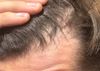
The conversation is about using a dermastamp for hair loss treatment and concerns about a potentially scam product, pp405. It suggests sticking with known treatments like finasteride and minoxidil.
A 21-year-old male is happy with his hair regrowth after 6.5+ months using Minoxidil, finasteride, micro-needling, and 2% ketoconazole shampoo. He noticed improvement in hair texture after about 5.5 months and takes finasteride orally every other day due to side effects from daily use.
After 4 months of using topical finasteride and minoxidil, blood tests showed increased E2, Test, and Prolactine levels. The user is concerned about potential side effects like gyno and is seeking advice on managing these values.
User made progress with hair loss using Fin, Min, and microneedling. Experienced side effects like improved skin, brain fog, and memory issues, but adjusting Fin dosage helped.
A 20-year-old male shares his 2.5-month progress using 1mg finasteride, topical minoxidil, tretinoin, dermarolling, and ketoconazole for hair loss, noting slight libido decrease. Users discuss sourcing topical finasteride and request more photos to see the results.
A 42-year-old man's two-month hair loss treatment progress using topical finasteride, oral minoxidil, microneedling, and keto shampoo. He noticed improvements, including new hair growth, despite minor side effects like mild ache and increased libido initially.
A user shared their 14-month progress using finasteride, minoxidil, and dermarolling for hair loss, showing before and after pictures. Replies included brief comments and a question about the user's identity.
A young female diagnosed with Lichen planopilaris (LPP) experienced years of misdiagnosis and ineffective treatments, including a hair transplant and other procedures. She is considering litigation due to the misdiagnosis and has learned that LPP is chronic, hair loss can be stopped with ongoing medication, but lost hair cannot regrow.
The user shared a 4-month progress update on hair regrowth using Finasteride, a derma roller, and rosemary oil, with plans to post again at 6 months. Some users are amazed by the results, while others have not seen improvements; the original poster uses 1mg Finasteride daily, derma rolls twice a week, and applies rosemary oil after rolling.
The user is using a hair loss treatment regimen that includes RU58841, minoxidil mixed with finasteride, adenosine, dermarolling with lidocaine cream, and biotin. They are questioning if they are dermarolling too aggressively and are willing to accept baldness if no improvement is seen in 6 months.
A 37-year-old male resolved scalp folliculitis by adopting a low-histamine diet and taking Vitamin A, Zinc, and Fish Oil, leading to better skin health and thicker hair. He warns about the potential toxicity of excessive Vitamin A intake.
User experienced gynecomastia from finasteride and found a solution using liposomal topical finasteride. This method minimizes side effects and is effective for hair loss treatment.
A 19-year-old male has been losing hair since 16-17 and feels more depressed after 6 months of using topical minoxidil and finasteride, which made his hair dry and greasy. Another user suggested switching to oral finasteride and provided tips for using topical minoxidil to reduce greasiness.
Peptides are being discussed for potential hair loss treatments, but most are not proven effective for this purpose. Minoxidil and finasteride are mentioned as more reliable options for hair growth.
The conversation discusses using pumpkin seed oil and rosemary oil for hair thinning, with skepticism about their effectiveness compared to pharmaceutical options like finasteride and minoxidil. Some users suggest trying natural treatments, while others emphasize the proven success of pharmaceuticals.
The user experienced significant hair regrowth using finasteride (1.25mg daily) and minoxidil (topical and oral) with occasional microneedling. They noted increased libido as a side effect during the first six months.
The user experienced significant hair thickening and temple hair growth after one year of using finasteride, minoxidil, and weekly dermarolling. They are considering asking their dermatologist about dutasteride.
The user experienced noticeable hair thickening after 75 days using 5mg oral minoxidil, 1.25mg finasteride, ketoconazole shampoo, and weekly dermastamping. They also reported increased body and facial hair growth.
The conversation discusses a study comparing pumpkin seed oil and 5% minoxidil topical foam for female pattern hair loss. The user is curious about the application regimen of pumpkin seed oil used in the study.
A user's 1 year progress using a combination of treatments, including Minoxidil BID, finasteride, microneedling, tretinoin, and ketoconazole shampoo, for hair loss. Replies included advice such as to consider switching the strength of minoxidil or getting a shorter haircut.
The user is experiencing significant hair growth improvement after 5 months using finasteride, topical minoxidil, microneedling, and ketoconazole shampoo, with no side effects except less body hair. The routine includes daily oral finasteride, twice-daily topical minoxidil, weekly microneedling, and starting ketoconazole shampoo.
The user experienced significant hair regrowth after starting oral minoxidil (2.5mg) and dutasteride (0.5mg) daily, and is considering resuming microneedling at home with a dermapen. They are concerned about potential risks of microneedling, such as scarring, and are seeking advice on needle length and frequency.
The conversation discusses using a TCA 35% chemical peel on the scalp to potentially improve hair growth by addressing fibrosis and enhancing the effectiveness of topical treatments. The user also mentions trying microneedling and other methods like topical metformin and dutasteride for hair regrowth.
A 54-year-old user shares progress after 3 years on dutasteride, following 15 years on finasteride, using 0.5 mg/day dutasteride, topical minoxidil every other day, and a peptide serum on alternate days. They experienced a significant shed during the transition but are now maintaining hair, noticing some new growth along the hairline.
A 45-year-old male experienced significant hair regrowth and thicker eyebrows and eyelashes after five months of using oral finasteride (1.2mg) and minoxidil (3mg), despite initial side effects. He noticed improvements within the first month and reported minimal shedding, with the treatment being more effective than topical solutions.
A user's experience with microneedling monotherapy and potential treatments such as finasteride, minoxidil, Stemoxydine, rosemary oil, peppermint oil, and RU58841 for reversing hair loss.
The conversation discusses hair loss treatments, specifically using Minoxidil, microneedling, and finasteride. The user is concerned about worsening hair loss and is advised to consider finasteride.
Topical pirfenidone is highlighted as an effective anti-inflammatory and anti-fibrotic treatment for hair loss, particularly in addressing perifollicular fibrosis, which may enhance the effectiveness of standard treatments like finasteride and minoxidil. The user also uses calcipotriol, MCT oil, ciclopirox shampoo, and benzoyl peroxide shampoo as part of their regimen.