Working outdoors does not affect the efficacy of oral hair loss drugs like finasteride and minoxidil. A user plans to start oral minoxidil and use a dermastamp.
Placebo hair regrowth might be influenced by propylene glycol in lotions or participants lying about using other treatments like minoxidil, finasteride, or microneedling. Being part of a study can also improve hair health due to lifestyle changes.
Long-term use of finasteride and dutasteride may be linked to health risks like fatty liver disease, insulin resistance, type 2 diabetes, dry eye disease, and potential kidney disease. Some users believe the risks are low and the medications are generally safe.
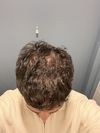
Fluorescent lighting makes hair look thinner, causing concern about appearance. Some users consider treatments like DUT, while others share experiences of hair looking better in different lighting or conditions.
Many users experienced increased diffuse thinning after starting finasteride, with some switching to dutasteride or adding minoxidil in hopes of improvement. Thyroid issues and low ferritin levels were also discussed as potential factors affecting hair loss.
The conversation is about experimenting with microneedling and growth factor topicals for hair growth, avoiding Minoxidil due to shedding concerns. The treatment includes microneedling, growth factor topicals, finasteride, biotin, and a caffeine shampoo.
The user is questioning why they are not experiencing hair loss like their family members. They are considering whether genetics or preventive treatments like Minoxidil, finasteride, or RU58841 might be influencing their hair retention.
The user experienced hair improvement using a topical finasteride, minoxidil, and tretinoin combo, along with supplements like zinc, copper, magnesium, vitamin D3, K2, iodine, and boron. They believe these changes are due to addressing mineral deficiencies and possibly thyroid issues, despite skepticism from others.
The conversation is about dealing with hair shedding due to seborrheic dermatitis and recent illness. Recommendations include treating seborrheic dermatitis with ketoconazole, correcting vitamin D deficiency, and improving sleep.
SCUBE3, a protein linked to hair growth in moles, was discovered over 25 years ago and is being developed by Amplifica for potential hair loss treatment. Concerns exist about SCUBE3's association with cancer, as it is a protein that promotes cell growth, which could potentially trigger cancer development if used for hair growth therapy.
The user is experiencing continuous hair shedding after starting finasteride and is considering switching to dutasteride or adding minoxidil. They are seeking advice on whether the shedding is normal or if it could be due to other factors like telogen effluvium.
The conversation discusses how Caucasian men are more likely to experience hair loss due to genetic predisposition, with factors like the androgen receptor on the X chromosome playing a significant role. The user also expresses confusion about the evolutionary reasons for hair loss, especially in colder climates where it would seem beneficial to retain hair for warmth.
Androgenic alopecia (AGA) might have evolved to reduce prostate cancer risk by increasing UV exposure to the scalp, but this theory is debated. Treatments like minoxidil and finasteride are used for AGA, though the exact causes and evolutionary reasons for hair loss are unclear.
Some people see significant hair regrowth using treatments like finasteride and minoxidil, while others experience little to no improvement even with comprehensive treatment plans. Factors such as individual sensitivity to DHT may influence the effectiveness of these hair loss treatments.
The user believes Retrograde Alopecia may be linked to vitamin imbalances, specifically from taking too much Vitamin E, A, Zinc, and Selenium, and suggests it could be a middle ground between Androgenic Alopecia and Telogen Effluvium. Treatments for hair loss mentioned include Androgen inhibitors and improving lifestyle factors like nutrition and sleep, with topical melatonin also recommended for Retrograde Alopecia.
The user discusses their hair loss experience, exploring various hypotheses including thyroid levels, vitamin D, DHEA, nutritional deficiency, diabetes, seborrheic dermatitis, lack of nutrition to hair follicles, chronic inflammation, female pattern hair loss causes, cortisol, and prolactin levels. They are currently using finasteride, beta-sitosterol, and have tried topical dutasteride and microneedling therapy.
Finasteride may affect neurosteroids, impacting mood and sexual function, with varied user experiences. Some report side effects like depression and sexual dysfunction, while others find it effective for hair retention or prefer alternatives like Dutasteride or topical treatments.
Hair loss can be influenced by chronic low-level allergies, and treatments like fexofenadine or topical cetirizine may help with regrowth. The user avoids finasteride, dutasteride, and minoxidil, and has tried Regenera Activa and PRF sessions.
Exploring hair loss treatments beyond DHT, including Minoxidil, pyruvate, Gt20029 targeting androgen receptors, and vasodilators. Other options like Kx826, adenosine signaling, growth factor topicals, and microneedling are also discussed.
Minoxidil may cause facial aging or wrinkles, though opinions vary. Some users report side effects like dark circles and facial bloating, while others attribute changes to genetics or other factors.
A young woman with genetically thin hair is stressed and embarrassed, seeking advice. Suggestions include seeing a dermatologist, using spironolactone, and minoxidil for hair regrowth.
A 21-year-old experienced erectile dysfunction after using finasteride and consuming multiple drugs, including MDMA, LSD, and weed. He plans to quit finasteride and weed, improve his habits, and consider alternative treatments like mesotherapy with dutasteride.
A 22-year-old male experiencing hair thinning is considering starting finasteride but is concerned about potential side effects and hereditary factors. While waiting to access finasteride, he plans to use pumpkin seed oil, saw palmetto, biotin, and vitamins, and is advised to check blood levels before starting treatment.
Astaxanthin (ASX) is highlighted as a promising supplement for treating hair loss due to its antioxidant properties. It may help with inflammation and oxidative stress, which are linked to hair loss and aging.
The user is experiencing hair loss, possibly due to androgenic alopecia or telogen effluvium, and is considering treatments like Minoxidil, Finasteride, or RU58841. They also mention potential iron deficiency and sleep deprivation as contributing factors.
Hair loss treatments, specifically 5AR inhibitors, can impact neurosteroids and sexual health. The effects of topical fin/dut on tissue-specific DHT levels are unclear.
Stopping finasteride may reduce water retention or alter fat distribution, leading to a leaner face. Hormonal changes, like reduced DHT or increased estrogen, could cause these effects.
The user experiences significant hair shedding during seasonal changes while using oral minoxidil 2.5mg and finasteride 1mg daily. They question if shedding miniaturized hairs is normal or if a stronger treatment is needed.