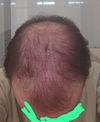
User started balding at 16 and began treatment at 18, using RU58841, minoxidil, derma rolling, and peptides. After 6 months, they experienced significant hair regrowth and are happy with the results.
User shares new hair growth stack including oral minox, daily rolling with minox application, niacin, and Dutasteride. Excited about progress and plans to update in two months.
Cetirizine 1% cream significantly improves hair growth and thickness in men with androgenic alopecia. It is considered effective, affordable, and has a low side effect profile.
A user shared progress pictures showing significant hair regrowth after using 1mg finasteride and weekly microneedling for about 2.5 to 3 months. The user reported no side effects and maintained good health and mood.
A user is treating hair loss with Dutasteride, Minoxidil, RU58841, Derminator 2, Vitamin D, Biotin, and Zinc. After 6 months, there's no significant visual improvement, but the user feels less insecure about Retrograde Alopecia.
The user is experiencing significant hair thinning on the front scalp while taking oral finasteride and minoxidil. They are unsure if it's androgenetic alopecia or related to seborrheic dermatitis.
Concerns about the potential systemic effects and safety of PP405 for hair loss, with discussions on its comparison to existing treatments like finasteride and minoxidil. Users express skepticism about untested research chemicals and emphasize the importance of clinical trials to ensure safety and efficacy.
Akkermansia bacteria can improve hair growth inhibited by testosterone, and metformin may increase Akkermansia, which could help with hair loss related to aging, insulin resistance, and inflammation.
Someone's two-month progress using oral minoxidil (2.5mg ED) to treat hair loss, which has resulted in thicker eyebrows and eyelashes but no scalp changes or shedding.
A Spanish dermatologist suggests sulforaphane for androgenetic alopecia (AGA) due to its potential to remove DHT metabolites, though high dosages are needed. A topical formulation might be possible.
The user "AcanthocephalaNo7632" shared their progress with hair loss, mentioning the use of minoxidil and finasteride. Some users questioned the authenticity of the progress pictures.
A user reported less hair shedding using melatonin spray and is considering trying topical oxytocin or estrogel for hair growth, but is concerned about potential side effects like breast development. Topical oxytocin has been found to promote hair growth by increasing growth factors.
A user reports using Hims (with finasteride and minoxidil), Kirkland Minoxidil 5%, RU58841, and derma stamping for hair loss and seeks feedback on their 9-week progress, particularly for growth around the temples and crown.
The user experienced hair regrowth using dutasteride daily, microneedling weekly, and Nizoral shampoo, after stopping minoxidil due to side effects. They also use a mix of pumpkin seed, rosemary, and peppermint oil, and are considering RU58841 for more temple area thickness.
CBD in an emu and lanolin oil preparation showed a 100% increase in hair growth, but the effectiveness may partly come from the oils. Users discussed proper CBD dosage, preparation methods, and skepticism about the study's quality.
Autologous exosome treatment for hair loss is being discussed as an emerging option. Minoxidil, finasteride, and RU58841 are also mentioned as treatments.
Stem cell-related treatments and drugs like RCGD423 and WAY are being tested for hair growth. Clinics are conducting tests on patients who haven't had previous treatments.
Cyproterone Acetate stopped hair loss and led to regrowth on the temples for a transgender individual, which is considered a good sign. Unlike Minoxidil and Finasteride, which can cause initial shedding, Cyproterone did not cause shedding.
White peony root extract is discussed as a potential treatment for hair loss. The conversation questions if anyone has tried it or researched its use in traditional Chinese medicine.
Pelage secured $120 million for PP405, a non-hormonal topical hair loss treatment, sparking debate on its potential as a breakthrough. Concerns about finasteride's side effects persist, with some suggesting alternatives like topical finasteride or dutasteride.
The user is using a hair regrowth treatment plan that includes finasteride, microneedling, minoxidil foam, ketoconazole shampoo, and piroctone olamine shampoo. They are seeking advice on the effectiveness of their regimen and dosage of finasteride, and are curious about others' experiences with piroctone olamine.
Aloe vera gel can help reduce scalp inflammation and "DHT itch" associated with hair loss, particularly in those with androgenic alopecia and seborrheic dermatitis. It's suggested to use aloe vera alongside treatments like finasteride and ketoconazole shampoo to manage symptoms and promote scalp health.
PP405 shows potential for hair growth, with 31% of advanced balding men experiencing over 20% increase in hair density in 8 weeks. However, skepticism persists due to selective data presentation and lack of long-term results, with comparisons to treatments like minoxidil and finasteride.
The conversation discusses skepticism about group buys for hair loss treatments, highlighting issues with unverified chemicals and the risks involved. It suggests stabilizing with dutasteride and minoxidil, and considering a hair transplant instead of experimenting with untested products.
Verteporfin is being explored for its potential to improve hair transplant outcomes by reducing scarring and increasing donor hair follicles. There is skepticism about the results, with some claiming misleading presentation of evidence.
A user experienced high estrogen levels after 10 months of taking 1mg oral finasteride but is happy with hair regrowth. They are considering switching to topical finasteride and are also taking DIM and Zinc supplements.
The conversation discusses potential causes of pigmentation around hair follicles, suggesting sebum buildup, autoimmune conditions, or dermatitis. Treatments mentioned include finasteride, dutasteride, and an anti-inflammatory diet, with a recommendation to consult a doctor for a proper diagnosis.
The user has been using finasteride and minoxidil for hair loss but experienced worsening temple recession. They suspect they might be more sensitive to testosterone and are considering trying RU58841 or CB 03 01 as additional treatments.
Evidence-based treatments for androgenic alopecia, such as minoxidil, finasteride, low-level laser light therapy, dutasteride, platelet-rich plasma, and topical ketoconazole. It discusses the efficacy, safety, and mechanism of action of these treatments, as well as future developments in understanding this polygenic condition.
The conversation discusses aggressive hair loss treatments, including finasteride, dutasteride, minoxidil, topical cetirizine, and experimental options like Estrogel, oh-flutamide, and RU58841. Users share experiences and suggest trying oral minoxidil and el cranell, noting the complexity and challenges of treating hair loss.