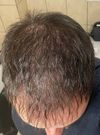
The user is using a topical solution with finasteride, minoxidil, and retinoic acid, which causes scalp residue and dryness. They seek advice on removing residue and keeping the scalp moisturized.
A person with hair loss due to seborrheic dermatitis saw improvement after treating the condition and using 5mg oral minoxidil, topical minoxidil, collagen, biotin, and vitamins. They are asking if the progress is real, and others have noted the oral minoxidil as a significant treatment.
User is using a topical solution with .1% finasteride, 6% minoxidil, and .0125% tretinoin for hair loss, along with a .25 derma roller once a week. They are concerned about the necessity and potential side effects of using the derma roller.
A user experienced a dry, scaly scalp two weeks after microneedling with a dermapen at 1mm and applying Rogaine foam. They tried moisturizers and coconut oil without success and are seeking advice.
Hair loss therapies focusing on hair follicle sugar metabolism and aldose reductase. Potential treatments include magnesium supplements, avoiding high glycemic index foods, and antioxidants.
Natural remedies to treat hair loss, such as polyphenols, apple peel extract, grape seed extract, green tea extract, peppermint oil, pumpkin seed oil, apigenin, Ginkgo biloba, red clover extract, olive leaf extract, Ecklonia Cava and Grateloupia elliptica. In addition, terpenes, carotenoids, and tocopherols were discussed as potential treatments.
Hair loss treatment should target dermal white adipose tissue (DWAT) to restore hair follicles. Potential remedies include tocopherol (vitamin E), botox, rosiglitazone, niacin, kojyl cinnamate esters, and ADP355.
In this conversation, 4990 discussed various treatments for hair loss, including oral minoxidil, PRP, transplan, Jak inhibitors, Dutasteride, Finasteride, Olumiant, Ketoconazole, RU58841, microneedling, baricitinib, and CCCA. They recommended scalp biopsies in unclear cases of DUPA, twice weekly to twice daily shampooing for topical minoxidil users, and two sessions spaced one month apart with follow up at month three to determine the effectiveness of PRP treatment.
The conversation discusses the effects of lowering DHT on hair loss and the importance of monitoring DHT levels during treatment. The user suggests that individual responses to DHT and hair loss treatments vary, and expresses a preference for topical treatments over oral medications due to concerns about systemic DHT reduction.
A potential non-invasive topical treatment targeting the WNT Signaling Pathway for hair regeneration is being researched, with positive results on human hair follicle cells. Current effective treatments for hair loss include Minoxidil, finasteride, and hair transplantation.
The user is using a topical spray containing finasteride, minoxidil, ketoconazole, and biotin for hair loss and plans to add weekly dermastamping, starting with a needle length of 0.6mm. They seek advice on the safety of combining these treatments, the impact of skipping one dose weekly, and the frequency of replacing the dermastamp.
Treatment options for hair regrowth other than minoxidil or finasteride, due to side effects from the latter, with platelet-rich plasma and topical treatments being among the suggested alternatives.
The user is exploring alternatives to finasteride and dutasteride due to concerns about side effects, and is using rosemary and jojoba oil, ketoconazole, minoxidil, microneedling, multi-peptide serum, saw palmetto, and stinging nettle for hair loss. They are also considering CB 03 01 and spironolactone.
The user is using Minoxidil 5% foam in the morning and a Minoxidil 5% + Finasteride 1% solution in the evening for hair loss. They are seeking advice on additional topical treatments to use midday, such as caffeine serums, peptides, Redensyl, or natural anti-inflammatories.
The conversation discusses hair loss treatments, focusing on insulin resistance, microneedling with topical melatonin, and stress reduction. Users express skepticism about the advice, preferring proven treatments like minoxidil and finasteride, while some mention alternative methods like dermal incisions and verteporfin for reducing fibrosis.
The conversation discusses doubts about the effectiveness of topical finasteride for hair loss, suggesting that DHT could be produced elsewhere in the body and affect the scalp. It proposes that androgen receptor antagonists like spironolactone and clascoterone might be more effective as they could prevent this potential bypass mechanism.
Creating custom topical treatments for hair loss using minoxidil, finasteride, and RU58841. It includes recipes and instructions for home preparation, focusing on cost savings and customization.
OP seeks advice on alternative hair loss treatments like Redensyl, Capixyl, and Procapil, instead of lifelong Minoxidil and Finasteride. Users suggest hair transplants and discuss the potential future availability of better treatments.
Individuals with oily scalps, dandruff, and diffuse thinning hair loss who have managed to either halt the loss or regrow their hair by using topical finasteride and minoxidil as well as microneedling and ketoconazole 2% shampoo.
Topical Calcipotriol (vitamin D derivative) may help with hair regrowth, especially for alopecia areata. The user wonders if adding classic vitamin D to lotions like Minoxidil could have a similar effect.
A 28 year old male experiencing diffuse thinning, chronic dandruff and scalp crust (seborrheic dermatitis), with replies discussing the use of topical fin for hormone imbalances and Nizoral for seb derm.
The user is using finasteride 1mg every other day and seeks a topical solution to complement it, excluding minoxidil. They are considering various combinations of ingredients like finasteride, dutasteride, and tofacitinib, with options for nourishing oils and other additives.
User started minoxidil, noticed forehead lines and dark circles, and asked for non-invasive skin aging prevention methods. Another user suggested using tretinoin and hyaluronic acid for long-term benefits.
The use of tropoelastin injections and verteporfin for hair transplant recipients to help regrow donor area hairs, as well as research done on tropoelastin injections restoring elastin in scarred heart tissue and skin. There are discussions about why it is taking so long to get cosmetic mass produced tropoelastin injectables on the market.
The conversation discusses hair loss treatments, specifically Regenera stem cells and exosomes from 'Cellgenic' umbilical cord donors. The user has been using topical minoxidil 5% and 0.001% estradiol for a year without seeing effects, and another user mentions the importance of microneedling.
Minokem-N's composition is unclear, with concerns about unlisted hydrocortisone. Users discuss alternatives like AloATM, which lacks soothing agents, and the challenges of verifying ingredients.
The conversation is about whether topical finasteride and minoxidil need to be applied directly to the affected areas of the scalp or if they can be spread through blood vessels. It also asks how long topical finasteride remains on a pillow.