Search
for
Sort by
Community Join
150-180 / 1000+ resultscommunity Verteporfin day 119 update - donor hair regeneration human trial
A human trial of verteporfin, a drug that can inhibit wound healing by scarring and promote regeneration of original tissue and hair follicles to provide an unlimited source for hair transplants; people discussed the potential of this drug and how it could be rolled out in mainstream with more doctors getting on board.
community Seborrheic dermatitis - can it cause long-term shedding (or telogen effluvium)?
A user is experiencing significant hair loss and scalp issues despite using Minoxidil, finasteride, and RU58841 since 2017. They switched to oral Minoxidil and are now on isotretinoin and topical corticosteroids for seborrheic dermatitis but continue to lose hair and seek advice on whether inflammation or treatment changes are the cause.
community Scalp Sunburns cause permanent hair loss. UPF hats protect you. Watch if you use Tretinoin on the scalp
Sunburns on the scalp can cause permanent hair loss, especially for those using Tretinoin or Tacrolimus. Wearing UPF 50+ hats is recommended to protect against UV radiation.
community Diagnosed with a mild form of Alopecia
A user experienced rapid hair loss and was prescribed Desonide cream for mild Alopecia. They are seeking feedback on its effectiveness and potential side effects.
community Can topical tretinoin only applied to face (not hairline) exacerbate hair loss?
Topical tretinoin applied to the face may exacerbate hair loss in some individuals, potentially triggering conditions like frontal fibrosing alopecia. Experiences vary, with some users reporting no impact on hair, while others experience significant hair loss.
community I can tolerate having MBP, but other than that having Sebderm is just really bad luck.
The conversation discusses managing seborrheic dermatitis (sebderm) and male pattern baldness (MPB) with treatments like finasteride, coal tar shampoo, Nizoral, and oral minoxidil. Users suggest dietary changes, regular shampooing, and using antifungal products to control sebderm before considering minoxidil.
community I destroyed my scalp so you wouldn't have to: here's what happens when you quit topical minoxidil
Quitting minoxidil can lead to significant hair loss, even in areas that were not thinning before, as hair becomes reliant on the treatment. Some users also report losing hair gains when stopping minoxidil despite taking finasteride.
community finasteride microneedling and exosomes
The conversation is about a 21-year-old using finasteride, dermarolling, ketoconazole shampoo, hair growth serums, and exosome therapy to treat early-stage thinning on the crown. They are questioning if these treatments are sufficient to improve hair thickness.
community Has anyone tried tretinoin with seb derm and had any flare-ups as a result?
Tretinoin can irritate seborrheic dermatitis, but using it with a moisturizer on calm skin may help. Parallel Health's skin microbiome testing and phage therapy are suggested for persistent issues.
community Terrible scalp itch and hair loss
Severe scalp itching and hair loss, possibly linked to seborrheic dermatitis, are discussed, with treatments like Dutasteride, Finasteride, and various shampoos mentioned. Some users find relief from itching with DHT blockers like Finasteride, while others suggest consulting multiple dermatologists for accurate diagnosis.
community Help with hair loss due to Seborrheic Dermatitis
A 19-year-old male with seborrheic dermatitis (SD) experienced significant hair loss and uses keto shampoo, zinc, and Nizoral to manage it. He inquires about the potential for regrowth and whether adding finasteride would help.
community Experiences with Topical Finasteride (Essegen F) Shed?
The user experienced side effects from oral finasteride and switched to a DIY topical solution, then to Essegen F. They noticed increased hair shedding with the topical finasteride and are concerned about its normalcy and duration.
community Hair Loss Recovery Assessment: Removing SebDerm and Using treatment
Hair growth success may be linked to addressing scalp fungi issues, with treatments like minoxidil, finasteride, and dutasteride being important. DHT may contribute to scalp microbial issues, potentially causing inflammation and hair loss.
community Am I doing dermastamping wrong?
The user uses a 1.5mm derma stamp weekly for hair loss and applies minoxidil afterward, feeling a slight burn but no bleeding. They question if bleeding, seen in others using a derma pen, indicates proper technique.
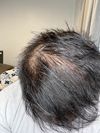
community Hair Loss Worsened After 8 Months of 1.5mm Dermapen Use - Is It Permanent?
The user experienced significant hair shedding after using a dermapen at 1.5mm weekly, which they later realized was too much. They are now using a dermapen at 0.75mm weekly and are also using topical minoxidil twice daily and finasteride 1.25mg daily.
community just saw my hair under harsh sunlight and devastated..
The conversation discusses hair loss struggles and treatments, including oral minoxidil, oral finasteride, and RU58841. Users share experiences and advice, suggesting options like topical minoxidil, microneedling, hair transplants, and scalp micropigmentation.
community Massive Telofen Effluvium after months sick. I already had enough shedding due to Seborrheic Dermatitis. I don’t know where to start.
The conversation is about dealing with hair shedding due to seborrheic dermatitis and recent illness. Recommendations include treating seborrheic dermatitis with ketoconazole, correcting vitamin D deficiency, and improving sleep.
community Hair follicle neogenesis
A user plans to experiment with creating new hair follicles using methods like derma rolling, applying lithium chloride, tannic acid, and various other substances including caffeine, ketoconazole, and raspberry ketones. They also consider using anti-inflammatories, immunosuppressants, and DHT inhibitors to potentially improve results.
community finastreid + min and derma stamp 1x /week . is it a progress?
community Topical androgens for alopecia to treat sebum overproduction on the face
The conversation discusses using scalp antiandrogens like RU58841, pyrilutamide, or fluridil on the face to reduce sebum production, noting that clascoterone (winlevi) is an approved facial antiandrogen with underwhelming reviews.
community Starting the microneedling only journey. M35 with diffuse thinning. Derminator 2, keto, vitamins and castor oil.
A user is starting a microneedling regimen for hair loss, using Derminator 2, ketoconazole shampoo, castor oil, and multivitamins. They plan to provide monthly updates on their progress.
community Can topicals cause a never ending shed?
The user reintroduced RU58841 and noticed increased shedding and visible thinning. They have also been using dutasteride and oral minoxidil for 2 years.
community What’s the most effective way to beat Serb Derm?
OP struggles with scalp flakes causing hair loss and has tried Selsun Blue, Ketoconazole, and ZPT Shampoo without success. Suggestions include using salicylic acid shampoo, shaving the head, using Nizoral, and combining treatments like Minoxidil and finasteride.
community How fast do wounds from derma rolling heal in your experience?
The user has been using minoxidil and finasteride for hair loss but is now considering microneedling due to recent hairline regression. Another user reassures that derma rolling causes only slight redness, which usually heals overnight.
community Drastic and sudden change in hair loss condition
The user experienced increased hair loss and scalp itchiness despite using finasteride and plans to resume minoxidil and start microneedling. They are considering using clay, Aveda thickening tonic, and a beanie to manage the appearance of thinning hair.
community Second shed and more abnormalities
The user has been using oral finasteride for 15 months and oral minoxidil for 6 months, and developed alopecia areata, for which a dermatologist prescribed calcipotriol/betamethasone. The treatment is helping, but the user is experiencing another shedding phase and is concerned about the effects of the steroid cream and the cause of hair loss.
community Red and ichy pimples/rash from applying topical minoxidil
The user experienced red pimples and a rash from using topical minoxidil, possibly due to propylene glycol. Suggestions included seeing a dermatologist, switching to foam without propylene glycol, using Nizoral, and adjusting application timing.
community "DHT Itch" and onset Seborrheic Dermatitis
The post and conversation discuss the link between DHT (a hormone), scalp itchiness, and hair loss. Some users share their experiences and treatments, including the use of fluconazole, corticosteroids, and ketoconazole shampoo, with one user suspecting minoxidil as a potential cause of their symptoms.
community Minoxidil is destroying my scalp - please help
Minoxidil is causing severe scalp irritation, including itchiness and dryness, for the user. Alternatives suggested include anti-fungal treatments, propylene-glycol-free formulations, and possibly oral minoxidil.