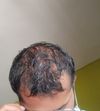
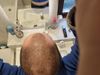
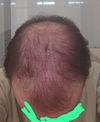
User noticed receding temples, used minoxidil and microneedling with positive results. Added saw palmetto and eucapil, experienced shedding and thinner hairline, but no side effects.
A user's scalp issue that may be causing their hair loss and potential treatments, such as salicylic acid, finasteride, minoxidil, ketoconazole shampoo, and visiting a dermatologist.
The conversation provides advice on using derma rollers, stamps, and pens for hair loss, detailing types, usage, cleaning, depth, frequency, and caution with topicals like minoxidil. The user plans to replace a roller with a pen for better accuracy and safety, and uses a castor oil/rosemary oil mix post-needling.
The user has tried various hair loss treatments including topical minoxidil, oral finasteride, oral dutasteride, oral minoxidil, and exosome therapy, but none have been effective. They suspect trichodynia might be preventing these treatments from working.
The user shared progress on hair regrowth after using 5% Minoxidil twice daily and microneedling 0.5mm a few times a week for 47 days. Other users noted visible improvement and regrowth of baby hair in the frontal temporal region.
The user has been using a topical solution of minoxidil 5% and finasteride 0.025% daily, along with dermastamping every two weeks and ketoconazole shampoo twice a week for four months. The treatment is for hair loss.
A 27-year-old is using finasteride, minoxidil, microneedling, and Pilexil shampoo to combat hair loss, with plans to add Nizoral shampoo and light stimulation. Initial results show reduced hair loss and some hair thickening, despite a period of shedding.
The user is using oral finasteride, oral minoxidil, ketoconazole shampoo, and various supplements to stabilize hair loss and thicken hair. They are considering using minoxidil foam on their beard to address empty patches but are concerned about side effects.
Adipose fat cells and stem cells may help treat hair loss by restoring the scalp's thickness. Treatments like NanoFat injections and Botox are discussed for their potential to promote hair growth.
The regimen for hair loss includes topical finasteride, clascoterone, tretinoin, minoxidil, oral saw palmetto, beta-sitosterol, vitamin D, microneedling, and anti-fungal shampoo. Expected benefits are increased hair growth and density, with considerations for potential skin irritation and interactions between treatments.
The user visited a trichologist due to ineffective topical finasteride treatment for hair loss. The trichologist recommended a new regimen including a two-month course of locoidon (cortisone 0.1%), followed by a solution containing minoxidil, hydrocortisone butirrate, estrone, progesterone, tocopherol acetate, trichosol, and transcutol.
A user is frustrated with slow and thin hair regrowth at the temples despite using Minoxidil for six months, along with dermastamping, oiling, vitamins, and exercise. They are seeking advice on why vellus hairs are not thickening.
The user is using finasteride, topical minoxidil, derma rolling, ketoconazole shampoo, and multivitamins for hair regrowth. They also drink topical minoxidil due to the unavailability of oral minoxidil, despite concerns from others about safety.
A 25-year-old shares progress on hair regrowth using finasteride, ketoconazole shampoo, Alpecin caffeine shampoo, and topical minoxidil, noting improved hair health but persistent temple thinning. They consider switching to oral minoxidil, adding microneedling, and possibly a hair transplant after one year.
Female, 28, losing hair since 17, using 200mg Spiro. Tried Minoxidil and ketoconazole with limited success, considering oral minox and seeking alternative treatments from cosmetic dermatologist.
A 39 year old male who has been balding since 23 and is intolerant to finasteride, using microneedling with Derminator 2 once per week and minoxidil foam twice daily in an effort to increase thickness of vellus hairs on the crown and maintain hairline.
The user reports improvement in temple hair after three weeks of using finasteride, minoxidil, ketoconazole, microneedling, stemoxydine, and follicopeptide. They note visible progress by maintaining the same hair length for comparison.
The user shared a 4-5 month update on using finasteride, minoxidil, vitamins, oiling, and microneedling for hair loss. They reported improved hair density and confidence but experienced unwanted hair growth, thin hair, itching, and a flaky scalp.
The user is using a hair regrowth treatment plan that includes finasteride, microneedling, minoxidil foam, ketoconazole shampoo, and piroctone olamine shampoo. They are seeking advice on the effectiveness of their regimen and dosage of finasteride, and are curious about others' experiences with piroctone olamine.
Oleic acid and microneedling are being explored for hair regrowth, but results are mixed. Addressing DHT and fibrosis is crucial, with treatments like finasteride, minoxidil, and scalp massage also discussed.
The user is experiencing hair loss and is considering using finasteride again, along with ketoconazole shampoo and curl cream, to manage their long hair. They are concerned about the appearance of new hair growth and the potential shedding phase from minoxidil.
An 18-year-old shares their successful hair regrowth journey using finasteride 1mg daily, topical minoxidil twice a day (mixed with tretinoin 0.025% at night), ketoconazole shampoo 2-3 times a week, and occasional dermarolling. They report no side effects and emphasize the importance of consistency and early intervention.
The user is trying Hair + Me's 5% minoxidil and 0.1% finasteride topical, which has a different carrier and pleasant smell compared to traditional alcohol-based formulas. They are seeking feedback on its effectiveness compared to classic formulas.
A regimen for hair loss, which includes using Nizoral shampoo twice daily, Minoxidil foam from the can, 5mg of Propecia crushed and snorted on weekends, and dermastamping directly to the head of the penis. Replies discuss potential sides and other treatments, as well as the idea that confidence is more attractive than hair.
The user plans to treat hair loss with topical minoxidil mixed with caffeine and melatonin, keto shampoo, and oral saw palmetto. They aim to stimulate hair growth, block DHT, and prolong the growth phase without using finasteride or dutasteride.
The post and conversation discuss the link between DHT (a hormone), scalp itchiness, and hair loss. Some users share their experiences and treatments, including the use of fluconazole, corticosteroids, and ketoconazole shampoo, with one user suspecting minoxidil as a potential cause of their symptoms.
Dr. Bloxham's new channel will discuss verteporfin and other future hair loss treatments. Users express interest and hope for the effectiveness of these treatments.
The conversation discusses hair loss treatment progress using dutasteride and oral minoxidil over five months. The user is concerned about shedding and hopes the new hairs are healthy.
The user aims to achieve a hypertrichosis look and has used topical Minoxidil for 20 years, now trying oral Minoxidil in a low dose. They seek alternatives to Minoxidil to avoid side effects.