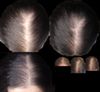
A user experienced severe scalp itching with MPB and found Nizoral ineffective. A doctor diagnosed seborrheic eczema and prescribed Betacap, which relieved the itching.
The conversation discusses the effectiveness of combining Laminaria japonica and Cistanche tubulosa extracts for hair growth. It also mentions treatments like Minoxidil, finasteride, and RU58841.
The conversation discusses hair regrowth using saw palmetto (800 mg daily), a derma roller (0.5 mm twice a week), rosemary oil, and a multivitamin. The user mentions using Bliss Pharma's saw palmetto supplement.
The user lost ground on oral finasteride and plans to switch to topical finasteride/minoxidil and microneedling. They are curious if topical treatments are more effective than oral ones.
PP405 is ineffective for miniaturized, fibrosed hair follicles in androgenetic alopecia. AMP303 may activate hair follicle stem cells, but minoxidil and finasteride are still the main treatments.
The user is using minoxidil, finasteride, and recently added tretinoin to address hair loss, specifically around a receding hairline. They are seeking advice on application methods and mention experiencing mild skin rashes potentially from tretinoin.
The conversation discusses two methods for making topical finasteride: using ethanol and propylene glycol or mixing it with topical minoxidil. The focus is on solubility and absorption, with a suggestion to crush pills finely and possibly mix with minoxidil at a slightly elevated temperature.
Creating a topical solution combining finasteride and stemoxydine to treat hair loss, and the discussion of whether 15mg of finasteride would be sufficient for 60ml solvent.
The conversation discusses affordable low-level light therapy (LLLT) products for hair loss, with users debating the effectiveness of red LEDs versus lasers. The original poster is already using finasteride, minoxidil, ketoconazole, and microneedling, and is seeking budget-friendly LLLT options to add to their regimen.
A 40-year-old user shared impressive hair regrowth results after three months using a topical spray containing minoxidil, finasteride, and ketoconazole, along with occasional dermarolling. The treatment, from the brand Hims, was effective despite initial skepticism, and the user credits the community for their support and information.
AH-001 is a new topical treatment designed to degrade androgen receptors, targeting the root cause of androgenetic alopecia without the side effects of oral treatments like finasteride. It has shown a strong safety profile and good local tolerability in early trials.
The conversation is about making RU58841 solutions for hair loss treatment and sourcing ingredients for KB solutions. The user mentions using RU58841 powder from Shaanxi Greenyobiotech.
A 20-year-old male experiencing hair loss is using finasteride for 8 months and is considering a digital perm but is concerned about potential hair damage, especially at the thinning hairline. Advice given includes continuing finasteride, using gentle hair products, and possibly trying topical minoxidil or CBD cream for scalp care.
A 38-year-old with type 4c hair has experienced significant hair regrowth using oral finasteride and topical minoxidil for a year. They are concerned about potential shedding from a new hair growth serum and oil product, despite their current treatment.
Visible hair improvement after 10 weeks using minoxidil, estradiol enanthate, acetophenide algestone, and bicalutamide. The user is a 25-year-old male with reduced testosterone levels, expressing a preference for less masculinity.
The conversation discusses a user's hair regrowth after two months using finasteride, minoxidil, derma rolling, biotin, and ketoconazole shampoo. Some users express skepticism, while others are impressed with the results.
The conversation is about the safety of using a product with azelaic acid and other ingredients on a receding scalp for hair loss. Specific treatments mentioned are Minoxidil, finasteride, and RU58841.
Hair cloning and injection of dermal papilla cells are discussed, with skepticism about their availability by 2023. Users mention Minoxidil, finasteride, and hair transplants as current treatments.
The user is concerned about hair regrowth after 6 weeks on 5mg Minoxidil, 1mg Finasteride, 50mg levothyroxine, Keto, and dermarolling every 10 days. They notice baby hairs but are worried about increased shedding and seek reassurance.
Adding melatonin to minoxidil can improve hair growth and thickness, and it's easy to use with minimal side effects. The recommended concentration for melatonin in the solution is between 0.05% and 0.2%.
The conversation is about finding a safe carrier for topical antiandrogens like finasteride, kx-826, RU58841, and dutasteride to minimize systemic absorption and side effects. The user experiences side effects from these treatments and is seeking advice on carriers that reduce these effects.
A user is joining a clinical trial for Clascoterone, a drug approved for acne but being tested for hair loss. They previously tried finasteride with limited success and plan to share updates on their experience with the new treatment.
A user reported hairline regrowth after two weeks on a treatment including finasteride, peppermint and rosemary oils, emu oil, magnesium oil spray, apple cider vinegar, and dermarolling, while avoiding shampoos and conditioners. They believe DHT contributes to hair loss but also suggest follicle fibrosis is an issue.
The user is using Minoxidil 5% foam in the morning and a Minoxidil 5% + Finasteride 1% solution in the evening for hair loss. They are seeking advice on additional topical treatments to use midday, such as caffeine serums, peptides, Redensyl, or natural anti-inflammatories.
Aminexil/Kopexil may help reduce hair loss by addressing perifollicular fibrosis in androgenetic alopecia, but it lacks the extensive clinical backing of finasteride and minoxidil. Some users find it effective, but availability and cost are issues, especially in the US where it's not FDA-approved.
The conversation discusses a study comparing pumpkin seed oil and 5% minoxidil topical foam for female pattern hair loss. The user is curious about the application regimen of pumpkin seed oil used in the study.
The conversation discusses hair loss treatment using finasteride, minoxidil chews, 0.5 dermarolling, 2% ketoconazole, and a silk bonnet. The user reports positive progress and plans to continue the regimen.
The conversation is about using a topical hair loss treatment from eSurgery containing finasteride, minoxidil, and tretinoin. The user is seeking recommendations and experiences with this specific product.
The user is exploring alternatives to hair transplants due to a weak donor area and is currently using finasteride, minoxidil, dermapen, low-level laser therapy, Nizoral shampoo, and a high-protein diet. They plan to switch to dutasteride and consider adding RU58841, while rejecting hair systems and considering a buzz cut.