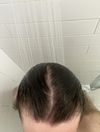
The conversation discusses experimenting with microneedling for hair loss, with OP considering using a 3mm derma-stamp. Other users advise against going beyond 1.5mm to avoid damage.
The user shared their 3-month progress using 5% topical minoxidil and microneedling with a 1mm dermaroller, noting significant hair growth without using finasteride. They applied minoxidil twice daily and used the dermaroller three times a week, experiencing a short shedding phase after 2-3 weeks.
Recruitment for a verteporfin trial and a separate hair cloning trial using verteporfin and other methods is underway, with locations in Jordan, NYC, Beverly Hills, and Memphis. Dr. Bloxham is conducting the hair cloning trial, and interested participants are encouraged to contact him directly.
A user shared their hair restoration journey using oral and topical finasteride, experiencing side effects with the former. They later switched to microneedling, scalp massages, and vitamins (D3, Zinc, Biotin, B complex, Vitamin E) with mixed feedback on progress.
The user shared a 6-month update on using microneedling and a homemade shampoo made of aloe vera and rosemary water for hair loss. They posted progress pictures showing their results.
A user is considering using a dermapen with liquid solutions like minoxidil for hair loss as a cost-effective alternative to mesotherapy. They seek advice on the effectiveness and experience with such devices.
The conversation is about experimenting with microneedling and growth factor topicals for hair growth, avoiding Minoxidil due to shedding concerns. The treatment includes microneedling, growth factor topicals, finasteride, biotin, and a caffeine shampoo.
The user is experiencing potential hair regrowth after 4 months of using a minoxidil and finasteride topical spray combined with microneedling 1-2 times a week. They notice some scalp redness and irritation but are unsure if the increased hair density is due to regrowth or longer hair.
Two twins who used Minoxidil, finasteride and dermarollers to treat their androgenic alopecia over a 10 month time period. The user is providing details on the process they use for dermarolling.
Microneedling daily at 0.3mm combined with topical finasteride and minoxidil is effective for hair thickening, with added benefits from near-infrared therapy. The approach may not improve the front hairline, and deeper microneedling is done monthly for better results.
Hair loss treatment using topical fin, min, saw palmetto, and occasional microneedling shows progress after 1.5 years. Microneedling frequency varies from weekly to every 4-5 weeks with 1.5mm needles.
A user's 4-month hair loss progress, which included treatments such as topical finasteride/minoxidil, microneedling, and Nizoral; with others commenting on the great results achieved so far.
A user's hair regrowth journey using biotin and minoxidil after initial treatments with Nizoral shampoo and Ketoconazole serum didn't work. The comments suggest the hair loss might not be male pattern baldness (MPB), but possibly Alopecia Areata, an autoimmune disorder, and recommend getting a second opinion and considering other treatments like corticosteroids.
User "hairlossblows" shares their positive experience with minoxidil, microneedling, and finasteride for hair loss treatment. They report significant hair regrowth, especially in the hairline, and minimal side effects from finasteride.
The user is experiencing hair regrowth using daily 5% minoxidil and weekly microneedling, and plans to add finasteride soon. They are considering the effectiveness of once-daily minoxidil and adjusting microneedling needle size.
The user is using oral minoxidil, ghk-cu, and HGH for hair regrowth, noticing small vellus hairs on the crown. They avoid traditional DHT blockers like finasteride due to side effects, despite skepticism from others about the effectiveness of ghk-cu.
The conversation discusses unconventional methods for hair regrowth, including scalp trauma like burning or microneedling, and compares them to treatments like Minoxidil and Finasteride. It highlights skepticism about these methods and the body's unpredictable healing responses.
The user reported using 1.1 mg finasteride, 5 mg minoxidil, 1 mg biotin, dermastamping twice a week, and Nizoral shampoo and anti-itch liquid. The replies praised the progress and suggested a follow-up at six months.
User shared 9-month progress with finasteride and microneedling, and 2-year progress with minoxidil for hair loss. Others asked about microneedling tools, routine, and suggested micro fibers for improvement.
A user reports significant hair regrowth after 3 months using finasteride, minoxidil, microneedling, Nizoral shampoo, biotin, and vitamins. They apply minoxidil twice daily, dermaroll twice a week, and use Nizoral shampoo twice a week.
The conversation discusses the link between seborrheic dermatitis, acne, and male pattern baldness, suggesting that DHT may cause both skin conditions and hair loss. Treatments mentioned include RU58841, finasteride, dutasteride, minoxidil, Nizoral shampoo, and other topical anti-androgens.
Microneedling is debated for hair loss treatment, with some users finding it beneficial for minoxidil absorption and others skeptical of its effectiveness. Alternatives like finasteride and minoxidil are recommended, while tools like dermarollers, dermapens, and dermastamps are discussed for their pros and cons.
A healthy scalp barrier is crucial for hair growth, and ceramides may play a key role in maintaining it. The conversation suggests that focusing on scalp health, alongside treatments like Minoxidil, Finasteride, and RU58841, could improve hair follicle health.
Winlevi (clascoterone) is discussed as a treatment for hormonal acne and seborrheic dermatitis due to its ability to block DHT and regulate sebum production. The post suggests that Winlevi could offer a novel approach for managing seborrheic dermatitis.
Increased scalp itching during shedding phases while on finasteride treatment may coincide with hair regrowth and recovery. This suggests that itching might not always indicate continued hair loss and could encourage persistence with the treatment.
A user shared their 9-month progress using Minoxidil, Finasteride, microneedling, and Nizoral shampoo for hair loss, expressing great satisfaction with the results. They use a Min/Fin topical spray nightly, Minoxidil in the morning, microneedle twice a week, and Nizoral shampoo twice a week.
The user experienced significant hair regrowth using topical finasteride for 8-9 months, topical minoxidil for 3 months, and weekly microneedling with a stamp. They reported no side effects from the topical treatments and are considering a hair transplant for further improvement.
Microneedling with 5% minoxidil improves hair growth for hair loss patients. Best protocol: 1.5mm dermaroller weekly for 12 weeks or 0.6mm dermapen every 2 weeks for 12 weeks, skipping topicals for 24 hours.
The user is asking if they are experiencing hair regrowth while using a treatment regimen that includes hair regrowth gel with castor oil, minoxidil 5% with latanoprost, dermastamping once a week, ketoconazole shampoo, and nizoral cream. They have shared photos after applying these treatments.