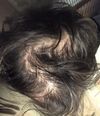
A user is seeking recommendations for purchasing 1mm to 1.5mm derma rollers in the U.S. for better hair growth results, as they are currently using a 0.25mm roller.
The user experienced significant hair regrowth using dutasteride 0.5 mg daily, 5% topical minoxidil twice a day, and microneedling over several months. They also used ketoconazole shampoo and rosemary oil, reporting some side effects but overall positive results.
Keratin fusion bonds are discussed as an alternative to clip-on hair patches for men with diffused thinning. The conversation explores different styling options for hair loss.
The conversation is about the preference for using a derma stamp over a derma roller for hair loss treatment, with users discussing its efficiency, needle material, replacement frequency, and personal experiences. Specific treatments mentioned include microneedling with a derma stamp.
The user shared progress on hair restoration using dutasteride, oral minoxidil, and 2800 grafts, noting significant improvement in hair thickness and coverage. They discussed the importance of continuing DHT blockers like finasteride or dutasteride post-transplant to prevent further hair thinning.
A user is using topical dutasteride, topical finasteride, and minoxidil to address a receding hairline and is seeking opinions on their routine. They report seeing vellus hair growth after nearly three months of use.
The conversation is about hair loss treatments, focusing on minoxidil and finasteride, with suggestions for microneedling and dermarolling to improve hair thickness. The original poster has used minoxidil for four years and finasteride for over a year but is exploring additional options for better results.
The user has been using 1 mg finasteride, topical minoxidil twice daily, 1 biotin vitamin, and a 0.5 mm dermaroller for hair loss treatment since April. They've seen progress but experienced a shedding event in October, and are hoping for increased density in the coming months.
The user experienced initial success with topical finasteride 0.025% and melatonin but noticed rapid hair thinning after three months. They are considering switching to a higher dose of topical finasteride or oral finasteride, as advised by others, while being cautious about potential side effects.
The conversation discusses hair loss where only short, thin hairs are being shed after 16 weeks of using dutasteride, with no visible regrowth. One response suggests that shedding short hairs is a positive sign, indicating that the hair follicles are still active and responding to treatment.
Sulfur soap may help with hair thickening and reducing scalp inflammation, but it can cause dryness. Nizoral, containing ketoconazole, is noted for its potential to reduce seborrheic dermatitis but may also cause scalp dryness and hair loss.
Topical finasteride concentrations are likely much higher than necessary for effective follicular DHT suppression, with current standards being 100-1000 times above the theoretical minimum. Lower concentrations (0.001-0.0025%) might still work locally while minimizing systemic exposure.
A 16-year-old experiencing hair thinning noticed a shift from shedding long hairs to shorter hairs, while using Vitamin D, biotin supplements, ketoconazole shampoo, and improving diet. They are questioning if the short hairs indicate regrowth or androgenetic alopecia (AGA).
A 20-year-old is using oral minoxidil, finasteride, and a dermastamp to address hair loss but is concerned about continued thinning and lack of visible regrowth after six months. They are questioning if diet, vitamin deficiencies, or dosage adjustments could impact progress.
The conversation discusses hair loss treatments, focusing on vitamin D and B12 deficiencies, and mentions using finasteride. It also suggests getting a biopsy to differentiate between MPB and other conditions.
The user improved diffuse thinning without finasteride by using minoxidil foam, cold showers, gentle hair drying, 2% ketoconazole, sulfate-free tea tree oil shampoo, dermastamping, and supplements like Omega-3, Vitamin-D, Biotin, Keratin, Collagen, B3, Zinc, and Magnesium. The regimen was followed for about six months under dermatologist guidance.
The user experienced increased hair loss and scalp itchiness despite using finasteride and plans to resume minoxidil and start microneedling. They are considering using clay, Aveda thickening tonic, and a beanie to manage the appearance of thinning hair.
A 25-year-old is experiencing hair thinning despite using 0.5mg oral dutasteride, 0.3% topical finasteride, and 6% topical minoxidil daily for a year. They are considering increasing dutasteride dosage and exploring other treatments like microneedling and KX 826, while seeking further medical opinions on their condition.
The user is using a hair recovery treatment with 0.5 mg dutasteride, 5 mg biotin, 5% topical minoxidil, and dermarolling twice a week. They are considering using a 1.5 mm dermaroller and red light therapy.
A 27-year-old Asian male is treating hair loss with 1mg oral finasteride, topical minoxidil twice daily, and 1.5mm microneedling weekly. The discussion is about his progress with these treatments.
The user shared progress after using 5% minoxidil twice daily, 0.2% topical finasteride once daily, Nizoral shampoo thrice weekly, and microneedling weekly for hair loss. They observed thicker hair after 12-14 months and are curious about further improvement.
A 37-year-old male stopped using finasteride and minoxidil due to side effects and switched to derma rolling, scalp massaging, and Revita shampoo, resulting in thicker, healthier hair with new growth. Users discuss the effectiveness of mechanical scalp stimulation, with some sharing similar positive experiences and others expressing skepticism.
A 23-year-old with diffuse thinning for 2 years is using Finasteride 1mg, prescribed by a dermatologist, and is seeking advice on regrowth expectations. Replies suggest continuing Finasteride, possibly adding Minoxidil, and being patient with results.
A user shares their 11-week progress using 1mg finasteride, 5% minoxidil twice daily, 0.8mm dermastamping every 10 days, occasional tretinoin, and ketoconazole shampoo for hair regrowth. They plan to continue the treatment for 9 months before considering a hair transplant.
A user named KarensAnon who has been using minoxidil, finasteride, and derma rolling for hair loss treatments over the past 6 months with successful results in restoring their confidence. Other users have offered support and advice regarding similar treatment plans.
The user experienced increased hair density and thickness after 3-4 months using finasteride, minoxidil, dermastamping, ketoconazole, and biotin. They apply minoxidil right after dermastamping without any side effects or shedding.
A 24-year-old man saw hair loss improvement after 5 months using 1 mg finasteride daily, 5% minoxidil nightly, weekly microneedling with a Dr. Pen A6 at 1.5mm, daily biotin (at least 10,000 mcg), and using a shampoo for thinning hair every other day. He experienced no side effects and confirmed his health with bloodwork.
Minoxidil, dutasteride, and finasteride treatments have significantly increased eyelash length, with some users experiencing eyelashes over twice the average length. Many users report increased hair growth in unintended areas, such as knuckles and body hair, while still struggling with hair loss on the scalp.
A 30-year-old uses Dutasteride, Minoxidil, biotin, dermarolling, Anaphase+ shampoo, and Nizoral for hair loss. Some commenters question the need for such extensive treatment given the minimal hair loss.
The conversation discusses enhancing Minoxidil absorption for hair loss treatment using Tretinoin and MSM (Methylsulfonylmethane). The user is seeking sources for Tretinoin and mentions MSM's potential to improve the absorption of topical agents.