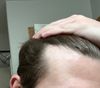
Shedding may indicate potential regrowth when using KX-826, similar to Minoxidil and finasteride. Users report improved hair quality and minor side effects like slight headaches.
The user is asking for opinions on low level laser light therapy for hair growth and thickening. They have been using it for a year but haven't seen significant results, attributing any regrowth to topical minoxidil.
The user started using minoxidil in September 2024 and finasteride in February 2025, along with dermal rolling, rosemary and clove water, and copper peptide serum for hair growth. They experienced positive hair growth results but had issues with a poorly done scalp micropigmentation (SMP) tattoo, which they are in the process of removing with laser treatments.
The user experienced significant hair regrowth in 90 days using 1.25 mg finasteride daily and topical 5% minoxidil once a day, with noticeable thickening of eyebrows and eyelashes. Despite the progress, the user plans a hair transplant due to traction alopecia affecting the hairline.
A user successfully improved their hairline after 15 months using topical minoxidil and dutasteride. Some commenters question the necessity of treatment given the user's original hair condition, while others support early intervention.
Pelage Pharmaceuticals announced positive Phase 2a trial results for PP405 in hair loss therapy. The conversation discusses the delay in publishing full results and the need for further trials and approvals.
PP405 shows promise for hair regrowth, with new hairs observed in 66% of patients in just 27 days. The discussion also mentions Minoxidil, finasteride, and RU58841 as potential treatments.
The conversation discusses a user's plan to inject NAD+ and GHK-Cu into their scalp to improve hair health, with concerns raised about the risks of infection and necrosis. Alternatives like finasteride, dutasteride, microneedling, oral minoxidil, and scalp massages are suggested.
The user plans to start hair loss treatment with minoxidil, finasteride, and microneedling, considering oral minoxidil to avoid affecting their cat. They are concerned about potential shedding and the impact of vaping on hair loss.
User discusses topical liposomal finasteride for hair loss, hoping to avoid breast growth side effect. Conversation includes using minoxidil, fluridil, and dermarolling, and mentions minimal systemic absorption of liposomal finasteride.
The conversation is about someone's three-year experience with irregular derma rolling, Minoxidil, and Redensyl for hair loss, hoping to thicken areas with fine hair.
The conversation is about someone using minoxidil, biotin, a laser cap, and a derma roller for hair loss, and considering finasteride. Some users are skeptical about the treatments, while others advise patience for results.
Adding tretinoin to a minoxidil routine can cause initial hair shedding, which may be normal as it potentially increases minoxidil's efficacy. Users suggest being cautious with tretinoin application, especially around microneedling, to avoid increased systemic absorption.
A user shared their hair regrowth success using microneedling with a dermaroller every 6 days and minoxidil, recommending betadine (povidone-iodine) before microneedling to sterilize the scalp and enhance results. Another user noted the potential risks of iodine toxicity.
The user is starting microneedling for hair loss and is concerned about cleaning the needles and post-treatment care, including sun exposure and applying products like rosemary oil. They use a microneedling pen and are seeking advice on timing and technique.
A 27-year-old man with thinning hair saw improvement after stopping Rogaine and starting dermarolling with peppermint oil, experiencing less shedding and thicker hair growth. He also uses biotin caffeine shampoo, argan oil conditioner, and a mix of castor oil with peppermint oil after dermarolling.
Topical finasteride in a liposomal formulation reduces systemic absorption compared to ethanol solutions. The user is seeking sources for such products, noting that popular options like morr-f are not liposomal.
Follica's preferred microneedling protocol for hair growth, which includes needle depth, frequency and movement parameters as well as the use of topical treatments such as minoxidil and finasteride.
The user is using a hair loss treatment regimen that includes RU58841, minoxidil mixed with finasteride, adenosine, dermarolling with lidocaine cream, and biotin. They are questioning if they are dermarolling too aggressively and are willing to accept baldness if no improvement is seen in 6 months.
The conversation discusses using peptides BPC-157 and TB-500, combined with microneedling, to potentially enhance hair regrowth. The user plans to try BPC-157 due to its lower cost and reports of hair growth, despite limited human trials and concerns about side effects from other treatments like minoxidil and finasteride.
The user started using a hair loss treatment regimen including 5% minoxidil spray twice daily, 1% finasteride spray once daily, microneedling weekly, and ketoconazole shampoo twice a week, experiencing significant hair shedding. The shedding is seen as a positive sign, indicating hair follicles are entering a new growth phase.
Aminexil from L'Oréal Professionnel is discussed as a treatment for hair thinning, with mixed reviews on its effectiveness compared to minoxidil. One user reported improved hair shine and health after using Aminexil alone, but no regrowth was observed.
The user started using oral minoxidil and estradiol in August 2025, added finasteride in December, and experienced significant hair shedding in February/March. They switched to estradiol injections and are considering their hair washing routine, while another user suggested consulting a dermatologist and possibly trying dutasteride.
HairClone is offering a Dermal Papilla Cell Hair Multiplication procedure in Guatemala, raising questions about its effectiveness and regulatory reasons for the location. Users express skepticism and curiosity about the treatment's success and potential costs.
The conversation discusses hair loss treatments, specifically Setipiprant, finasteride, and bimatoprost. Setipiprant is suggested for maintenance, while bimatoprost is for regrowth, and combining them with dermarolling is recommended for better results.
The conversation discusses affordable low-level light therapy (LLLT) products for hair loss, with users debating the effectiveness of red LEDs versus lasers. The original poster is already using finasteride, minoxidil, ketoconazole, and microneedling, and is seeking budget-friendly LLLT options to add to their regimen.
A 24-year-old user shared their 12-month progress using 1mg oral finasteride and 5mg oral minoxidil for hair loss, reporting significant improvement after initially starting with 2.5mg minoxidil. They experienced no side effects and noted thicker eyelashes, with results becoming noticeable around the 9th or 10th month.
Clascoterone is being discussed for hair loss, but its current acne formulation may not be suitable for scalp use due to potential skin irritation and lower dosage compared to Breezula. Users mention other treatments like finasteride, minoxidil, and pyrilutamide, with some expressing skepticism about clascoterone's effectiveness for hair loss.