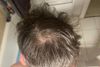
Hair loss from seborrheic dermatitis can be temporary. Treatments discussed include Minoxidil, finasteride, and RU58841, along with collagen and biotin supplements.
The user is experimenting with GHK-Cu and AHK-Cu to stop hair loss and promote hair growth, using a serum from Etsy and injectable GHK-Cu. They supplement this with dermastamping and ketoconazole shampoo.
Hair loss treatments like finasteride, minoxidil, and hair transplants are more accessible and effective now. Concerns about side effects and skepticism about new treatments like hair cloning and GT20029 remain.
DHT promotes beard growth but causes scalp hair loss due to inflammation and fibrosis. Treatments like finasteride and minoxidil help with hormonal signals and blood flow but don't address underlying inflammation.
Some individuals experience side effects from 5AR inhibitors like finasteride and are considering hair transplants without these medications, with some opting for surgeons like Dr. Zarev. Others are exploring alternative treatments and waiting for new medications in development, while some discuss managing side effects through lifestyle changes or additional medications.
Hair transplants can initially yield good results, but native hair is more reliable, and transplanted hair may still be lost over time. Early intervention with treatments like topical finasteride and minoxidil is recommended, but it's important to start with lower doses and manage expectations realistically.
Stem cell hair transplants use stem cells from fat tissue to reactivate inactive hair follicles, but results are inconsistent and not widely shared. Traditional treatments like finasteride and minoxidil often show better results.
A 33-year-old male is experiencing thinning at the temples and hairline, with increased shedding over the past year. The user suspects androgenetic alopecia (AGA) despite AI suggesting a maturing hairline.
After 6 months of using finasteride, minoxidil, RU58841, and microneedling, the user experienced hair regrowth but then noticed a significant shed, returning to the initial state of hair loss. Another user responded that shedding every 6-8 months is normal when using finasteride and advised to continue the treatment for thicker hair regrowth.
The conversation is about hair loss and the possibility of maintaining a full head of hair while using anabolic steroids. Some users believe that having good hair genes and taking hair loss protocols can help prevent hair loss while on steroids.
New hair loss treatments like GT20029, Clascoterone, and PP405 are being discussed, with concerns about how to apply multiple topicals alongside existing treatments like minoxidil and finasteride. Suggestions include creating a routine, mixing treatments, or minimizing redundancy in treatment stacks.
Hair regrowth progress using finasteride, minoxidil, and dermarolling. Visible improvements started around month 6, with initial shedding from minoxidil.
The user is experiencing hair fall and is using a nonsulfate Maui Hibiscus shampoo and conditioner, washing twice a week, and applying a warm mixture of castor and olive oil. They seek advice on a proper haircare regime and product recommendations for low porosity hair.
The user reports hair regrowth after 15 weeks using oral finasteride, topical minoxidil, oral pumpkin seed oil, and ketoconazole shampoo. Images show progress before and after treatment.
A 15-year-old is experiencing hair loss and is considering treatment options. They are aware they cannot use DHT blockers like finasteride due to their age and are exploring other causes like Telogen Effluvium.
The user experienced severe hair loss, itchy scalp, and skin issues after trying no-shampoo, and wonders if it's male pattern baldness or an immune issue. They have a history of eczema, dermatitis, and jock itch, and have tried various treatments like coconut oil, peppermint, pumpkin seed, and onion.
A user switched from topical to oral finasteride and is seeking additional topical treatments for hair growth besides minoxidil. They are aware of stemoxydine and caffeine solutions and are asking for more recommendations.
PP405 is anticipated as a future treatment for dormant hair follicles, but its effectiveness and safety are uncertain. Current treatments include oral minoxidil and microneedling, with some avoiding finasteride due to side effects.
The user is experiencing hair loss and is considering using finasteride again, along with ketoconazole shampoo and curl cream, to manage their long hair. They are concerned about the appearance of new hair growth and the potential shedding phase from minoxidil.
Treatments for hair loss, including topical immunotherapy, regenerative treatments, laser and light-based therapies, oral supplements, intralesional steroids, and new drugs like finasteride and minoxidil.
Finasteride can help extend the hair growth cycle and improve hair density, allowing for long hair despite initial shedding. Periodic shedding may occur, but it typically does not affect healthy hair significantly.
A user is considering starting treatments like Finasteride, Minoxidil, and Microneedling for hair thinning, despite stable hair loss for over 8 years. They are unsure if the presence of miniaturized hairs indicates potential for regrowth or if they should accept the current state.
Hair cloning is unlikely to be available soon, with estimates ranging from 10 to 20 years away. Current treatments like Minoxidil, finasteride, and RU58841 are still the main options.
A 43-year-old male has been using oral minoxidil, finasteride, and dutasteride for hair loss, with some stabilization and thin hair growth but no significant cosmetic improvement. He is considering increasing microneedling frequency and exploring other options, as he is concerned about the lack of terminal hair growth.
Hair loss treatments like finasteride, minoxidil, and ketoconazole shampoo are discussed humorously, with skepticism about future cures. Users express frustration over the lack of a permanent solution and joke about investing in stocks or using time travel to solve baldness.
Exosomes combined with fractional picosecond laser treatment were effective in treating androgenetic alopecia and promoting repigmentation in white hair patches. The role of exosomes in hair repigmentation, particularly in conditions like poliosis, is not well-studied.
Transplanting pubic and butt hair to the head is discussed humorously, highlighting pros like DHT resistance and cons like poor blending and appearance. Users joke about using treatments like Minoxidil, Finasteride, and RU58841 on unconventional donor areas.
Exosomes, cetirizine, melatonin, latanoprost, and caffeine are discussed as potential hair loss treatments. There is skepticism about the effectiveness of exosomes, especially in topical form, but some users report positive results.
The user is experiencing hair loss with possible causes including chronic telogen effluvium, diffuse alopecia areata, and androgenic alopecia. They have tried treatments like Nizoral shampoo, minoxidil, and finasteride, and are considering a biopsy for further clarity.