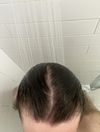
A user is using 1ml/day of Dualgen-15 (15% Minoxidil, caffeine, retinol, azaleic acid, Adenosine, biotin, niacin) on their temples and asks if Minoxidil alone can completely regrow their temples.
The conversation discusses hair loss treatment results after 5 months using Minoxidil, microneedling with a 1mm length every 5 days, Tretinoin (0.0025%), and Nizoral. The user noticed an increase in hair density.
The conversation discusses hair loss treatments, with the original poster considering joining a clinical trial for setipiprant after experiencing side effects from finasteride and disinterest in minoxidil. Some users express skepticism about setipiprant's effectiveness, while others encourage participation in the trial for potential benefits.
A dermatologist recommended a new supplement containing annurca apple, which reportedly doubles hair density and increases keratin after 60 days, to be used with finasteride. Some users are skeptical, considering it potentially ineffective or a marketing ploy, while others are open to trying it if it proves effective and affordable.
A user is experiencing hair thinning on the sides while wearing a hair system and has had a transplant to correct temple peaks. They are using finasteride, oral minoxidil, and rosemary oil serum, and are considering a corrective transplant to add density and achieve a natural look.
Neofollics lotion is discussed as a hair loss treatment, but users report it is ineffective and not supported by strong evidence. Users suggest sticking to FDA-approved treatments like Minoxidil and Finasteride.
The conversation discusses the potential of topical cetirizine (Zyrtec) for hair growth in comparison to minoxidil, noting cetirizine's ability to reduce prostaglandin D2, which inhibits hair growth. Users share mixed experiences with cetirizine for allergies and scalp health, and there's a mention of the risk of dementia with long-term antihistamine use.
Finasteride and dutasteride may not significantly impact meibomian gland function since these glands do not rely on DHT. Some users report dry eyes and other side effects from finasteride, but these may be influenced by other factors or medications.
A user started using Nizoral 2% to treat severe dandruff and asked about its application, potential hair dryness, and whether to consult a doctor. They have been using finasteride for hair loss since age 19.
The conversation discusses changes in scalp texture and appearance in areas of hair loss, with concerns about the suitability of these areas for hair transplants. Users mention issues like fibrosis, inflammation, and thinner skin, advising caution and consultation with clinics before proceeding with transplants.
A user added 1% NMN to their 5% minoxidil mix for hair loss, which also includes melatonin, ginkgo, nettle root, and plans to add caffeine. They are asking if anyone has tried topical NMN for hair growth.
The user experienced tiny vellus hairs from 0.5mg finasteride and 2.5mg minoxidil over 9 months. Topical minoxidil, alfatradiol, and RU58841 applied twice daily for 1.5 months significantly improved temple hair regrowth.
Dermastamps are preferred over dermarollers for microneedling due to precision and reduced risk of scarring. Dermastamps allow for controlled, vertical needle entry, while dermarollers may cause more damage with sideways needle entry.
The conversation discusses the potential benefits of creating a hydrophobic version of finasteride to reduce systemic side effects while maintaining scalp health. It compares this idea to fluridil, which is designed to be hydrophobic and has less systemic absorption.
User asks about topical spironolactone experience. Two studies show it as promising anti-androgen treatment, with 5% cream available on Minoxidilmax website.
User DeadRay9 reports good progress on finasteride and ketoconazole, with irregular microneedling. They take 1.25mg finasteride, experienced increased libido, and saw improvements at 3-5 months.
The user reported healthier, firmer, and thicker hair follicles with minimal regrowth at the front after using Regenera Activa, topical finasteride, minoxidil, tretinoin, caffeine solution, and vitamin D supplements. Hair loss has stabilized with no side effects.
A user asked if microneedling, massages, and essential oils can prevent further hair loss in the crown area without using drugs. The response indicated that without a 5-alpha-reductase inhibitor, hair loss will likely continue.
The conversation discusses experimenting with microneedling for hair loss, with OP considering using a 3mm derma-stamp. Other users advise against going beyond 1.5mm to avoid damage.
A 27-year-old male with diffuse hair loss, including the donor area, did not respond to finasteride, dutasteride, or minoxidil. He suspects his hair loss may be linked to a mild connective tissue disorder, possibly affecting the structural support of hair follicles, rather than being purely hormonal.
The conversation is about the effectiveness and production of GT20029, a drug being developed as a topical androgen receptor degrader for hair loss, and whether it can fully degrade androgen receptors or only partially. It also discusses the drug's potential unique working mechanism and synthesis by a company called Anagen.
The user is seeking advice on their hair loss routine, which includes using Nizoral, Nioxin, T-gel shampoos, Equate 5% Minoxidil, and quartered Generic Proscar 5mg, along with microneedling. They are unsure about the frequency and order of shampoo use, the application of Rogaine, and the use of essential oils like sandalwood.
A user is considering making their own topical finasteride from crushed Propecia tablets and asks if there would be any difference compared to pharmacy-made versions or products like Essegen-F. They note that making drugs at home is generally not recommended.
The user added microneedling to their routine of minoxidil and finasteride, resulting in noticeable hair regrowth after three months. They shared photos showing significant improvement.
The conversation is about the correct way to do microneedling for hair loss, with some users suggesting the user is pressing too hard and causing too much bleeding, while others think the amount of blood is fine. Specific treatments mentioned include microneedling, with advice to disinfect the roller and possibly use a shorter needle length.
The user started with microneedling, vitamins, and ketoconazole shampoo, then added minoxidil and finasteride in the last three months. The conversation includes a shared image and some humorous comments.
The conversation discusses using Rogaine (Minoxidil) and ketoconazole for hair regrowth, with interest in trying a formulation with Azelaic Acid for potentially better results. Concerns about Azelaic Acid's effectiveness and safety, including skin sensitivity to sunburn, are mentioned.
Kintor's phase III trial for pyri (KX-826) showed promising safety and efficacy results, with no drug-related sexual dysfunction reported. Users discussed their experiences with pyri, Minoxidil, Dutasteride, and concerns about the validity of the study results.