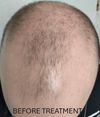
Autologous exosome treatment for hair loss is being discussed as an emerging option. Minoxidil, finasteride, and RU58841 are also mentioned as treatments.
Minoxidil, finasteride, and RU58841 are discussed as treatments for hair loss, with excitement around a new drug, PP405, and a reformulated oral minoxidil in trials. Concerns about cost, side effects, and long-term use are also mentioned.
Hair cell therapy and follicle cloning are still in experimental stages, with treatments like hair multiplication and regenerative hair therapy being marketed but not yet proven to create unlimited new follicles. There is skepticism about the effectiveness and legitimacy of these treatments, with some considering them scams.
A 49-year-old is sharing progress on hair regrowth using PRP sessions and a combination of treatments, including minoxidil, but not oral finasteride or dutasteride. Users suggest adding oral treatments like dutasteride or minoxidil for better results.
User shared 13 months of progress using finasteride, microneedling, vitamins, and scalp care, and recently started stemoxydine. The post includes before and after photos.
The user experienced significant hair regrowth after using finasteride, minoxidil, and derma stamping, despite an initial heavy shedding phase. They also take omega-3, zinc, biotin, and folic acid daily, and report improved confidence and hair strength.
A 57-year-old man with male pattern hair loss and insulin resistance experienced hair regrowth and weight loss after using tirzepatide, without other hair treatments. Dysregulated glucose metabolism is linked to hair loss, with tirzepatide potentially improving hair density by normalizing insulin resistance.
A person with hair loss due to seborrheic dermatitis saw improvement after treating the condition and using 5mg oral minoxidil, topical minoxidil, collagen, biotin, and vitamins. They are asking if the progress is real, and others have noted the oral minoxidil as a significant treatment.
Progesterone cream might help with hair loss by inhibiting DHT production and suppressing prolactin, which can increase DHT. Some dermatologists have used progesterone for hair loss treatment, and it has been effective, sometimes combined with minoxidil, finasteride, and hydrocortisone.
The conversation discusses using estradiol and its derivatives for hair loss without causing feminization. Users mention alternatives like alfatradiol, topical 17b-Estradiol, and DIM (Diindolylmethane).
A user reported impressive hair regrowth after 5 months using finasteride 1mg daily, topical minoxidil 5% twice a day, and microneedling. They initially experienced shedding but now have minimal hair loss and no sexual side effects.
User experienced slow gains with topical fin+min, switched to topical dut+min, and considered adding Eucapil. Another user suggested DUT may be less effective topically due to high molar mass and mentioned Fluridil as a weak anti-androgen that could help.
Ultrasound imaging can predict hair shedding and assess hair growth stages by analyzing hair follicle characteristics. The conversation also discusses using ultrasound for personal hair analysis and mentions the potential use of infrared emission for hair treatment.
The conversation discusses using minoxidil, finasteride, a dermastamp, and botanical oils like peppermint, rosemary, and pumpkin seed oil for hair growth. The user is considering using Alpha Infuse, which combines microneedling with plant oils, to enhance results.
AltruisticBro's experience with Fluridil (Eucapil) as a hair loss treatment, and the current blood work results associated with it. They are not willing to take finasteride due to potential permanent side effects.
Verteporfin may improve hair transplant outcomes and reduce scarring, potentially allowing patients to avoid finasteride. Dr. Barghouthi seeks collaborations, volunteers, and financial support for research on verteporfin.org.
Peptides like TB500, KPV, GHK-CU, and BPC-157 are overhyped for hair growth with limited proven effectiveness in humans. Combining peptides with delivery methods like iontophoresis and sonophoresis shows promise, but many claims remain unproven.
A 35-year-old transitioning female (MtF) shared her hair regrowth journey using Minoxidil, Dutasteride, Microneedling, and Exosomes, starting from a bald state. Commenters discussed the impressive results, skin care routine, and the effects of estrogen on hair and skin.
The user shared progress pictures showing significant improvement in hair loss after using finasteride, RU58841, and undergoing a 3000 graft hair transplant. They plan to get another transplant due to remaining thin areas.
A user is concerned about low hair density 12 months after a hair transplant and is not using finasteride or minoxidil, only taking biotin. They are seeking advice on whether this is normal, if starting medication now would help, and when to consider a second procedure.
Topical melatonin was found to significantly increase hair density and decrease scalp conditions like seborrheic dermatitis. The user is considering using it alongside finasteride and oral minoxidil for treating hair loss and scalp health.
Tretinoin's effectiveness for hair regrowth alone is questioned, with interest in its use with oral minoxidil. The discussion also considers whether finasteride or dutasteride is the better DHT blocker and if switching to dutasteride is advisable for those without side effects from finasteride.
.
CumsOnYourFeet69 has been discussing a new treatment called CosmeRNA which claims to target the root cause of male pattern baldness, and is considering using it in conjunction with Minoxidil instead of Finasteride due to possible side effects. Replies have highlighted that the efficacy of this treatment is still unknown, but it could be used as an effective maintenance option if successful.
People are hopeful about future hair loss treatments like PP405, GT20029, and VDPHL01, while some are currently using finasteride and minoxidil. There is skepticism about the effectiveness of new treatments, and some advise against hair transplants until more promising drugs are available.
A 24-year-old male experiencing diffused thinning discusses his DHT levels and hair density issues. He has not used finasteride or dutasteride and is considering AR inhibitors.
The conversation covers aggressive hair regrowth treatments like Dutasteride, Minoxidil (oral and topical), RU58841, microneedling, and ketoconazole shampoo. It also mentions PRP, laser therapy, GHK-Cu injections, and hormone therapy for maximum regrowth.
User fought hair loss with Derminator microneedling, topical and oral minoxidil, and a 2000 FUE hair transplant. Derminator was a game changer, preventing further loss.
Verteporfin reduces scar tissue in hair transplants but doesn't significantly regrow hair follicles. More testing is needed to determine its effectiveness.
A user shared progress pictures after 8 months of using topical 5% minoxidil and 0.01% finasteride, showing significant hair regrowth. Replies suggest the user might not need a hair transplant and recommend considering oral finasteride.