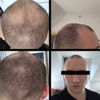
Buzzing or shaving your head can boost confidence and save money on hair loss treatments. Some prefer treatments like finasteride and minoxidil to maintain their hair.
The conversation humorously speculates that bald Grey Aliens might be future humans who haven't solved baldness, despite advanced technology. Treatments like microneedling, minoxidil, and finasteride are mentioned as potential solutions.
A combination of pyrilutamide, minoxidil, and alfatradiol is proposed as an effective alternative to finasteride for treating mild to moderate hair loss, claiming to stabilize hair loss and improve thickness without finasteride's side effects. Some users are skeptical about the effectiveness and approval of these treatments, while others are interested in trying them due to finasteride's side effects.
The conversation discusses various hair recovery treatments, including finasteride, dutasteride, minoxidil, RU58841, ketoconazole shampoo, microneedling, and tretinoin. Users debate the effectiveness and safety of these treatments, with some suggesting combinations like dutasteride and minoxidil as potent options.
The conversation discusses preferences for hair loss treatments, specifically finasteride over dutasteride. Users share personal experiences, cost considerations, FDA approval status, and potential side effects, with some switching between treatments to find what works best for them.
A user shared a 2-year hair regrowth progress using 1mg finasteride daily and topical minoxidil twice daily, with noticeable thickening after 7 months. Other users discussed the commitment required and potential side effects, but the original poster experienced no side effects.
The conversation discusses the confusion over low testosterone potentially causing hair loss, with users sharing personal experiences and knowledge about hair loss treatments like Finasteride. Some users suggest that hair follicle sensitivity to DHT, not testosterone levels, is the key factor in balding, and others discuss the side effects of hair loss medications.
Using high doses of testosterone with RU58841 to create an androgen-free environment for hair regrowth is suggested, but concerns about heart health and the effectiveness of this approach are raised. Alternatives like topical estrogen, progesterone, and other treatments like finasteride and dutasteride are discussed.
The user experienced significant hair shedding after starting and stopping minoxidil and finasteride, leading to thin hair and personal distress. They are currently on oral finasteride without side effects and are advised to maintain consistent treatment and consider additional options like microneedling and oils.
He Shou Wu (fo-ti) is discussed as a potential treatment for hair regrowth, with mixed opinions on its effectiveness. Some users report positive results, while others remain skeptical or have not noticed any changes.
RU58841 and Pyrilutamide (Kx-826) are both topical anti-androgens, but neither is effective for hair regrowth. RU58841 has more anecdotal support, while Pyrilutamide has progressed further in trials, though both have limitations.
The user shared their 9-month hair regrowth progress using topical Minoxidil 5%, finasteride 0.05%, retinoic acid 0.01%, dermastamping, ketoconazole shampoo, and supplements like biotin. They experienced some hair density improvement but minimal change in the hairline, with initial side effects from finasteride that resolved after dosage adjustment.
Finasteride and Minoxidil are popular treatments for hair loss, but opinions vary on their effectiveness and side effects. Some users report success, while others experience issues like gynecomastia or sexual dysfunction.
A 49-year-old has used finasteride for 19 years to manage hair loss, experiencing some libido changes but no major side effects, and plans to continue. They found minoxidil inconvenient but are considering restarting it with micro-needling.
Foam minoxidil may be a good alternative for those who experience irritation from liquid minoxidil, though opinions on its effectiveness vary. Some users suggest oral minoxidil as a more effective option with fewer side effects at low doses, while others recommend foam or alcohol-free topical versions for sensitive scalps.
The individual had a hair transplant in Turkey with 4052 grafts, resulting in significant hair growth and increased confidence. They use finasteride, rosemary oil, and vitamins, and are pleased with the natural-looking results, encouraging others to consider similar treatments.
PP405 shows promise for hair regrowth by manipulating stem cell characteristics and lactate dehydrogenase, with Phase 2a trials pending. Google Ventures' $15M investment suggests confidence, but results and market availability remain uncertain.
Combining therapies like scyllo-inositol, alpha-ketoglutarate, and autophagy-inducing supplements may enhance hair growth and prevent hair loss. Reporting individual results can accelerate progress in hair loss treatments.
The conversation discusses why the difference between donor and balding hair isn't studied more to find a cure for hair loss. Treatments mentioned include Minoxidil, finasteride, and RU58841.
A user shared a 10-month update on their hair transplant (HT), expressing significant confidence gain and recommending the procedure to others. They had the transplant in Turkey for $2300 and are very satisfied with the results.
A user sharing their 13-month hair regrowth results using topical finasteride and minoxidil. They noticed improvement around 4 months in, and despite initial confusion due to photo order, most users acknowledged the positive change.
A user started using RU58841 for hair loss and experienced anxiety and physical discomfort. Other users suggested avoiding the treatment due to similar side effects and recommended alternative treatments like pyri.
The conversation discusses hair loss treatments including finasteride, minoxidil, derma rolling, and tretinoin, with the user showing progress after five months. Tretinoin is mentioned to enhance the effectiveness of minoxidil.
The conversation discusses CRISPR-on & CRISPR-off as a potential cure for baldness, contrasting it with hair cloning and other treatments like Minoxidil, finasteride, and RU58841. It also mentions the potential of mRNA for gene expression control and the prioritization of gene editing for severe genetic conditions.
The user is concerned about hair loss and is considering treatments like finasteride and minoxidil but is unsure about their effectiveness and side effects. They have experienced mixed reactions to shaving their head and are struggling with confidence due to balding.
Dutasteride may affect semen parameters but not significantly enough to impact fertility unless baseline fertility is already low. Finasteride and minoxidil are used for hair regrowth, with no side effects reported by one user.
Minoxidil is unlikely to cause skin aging at typical doses, and concerns about collagen inhibition are mostly unfounded. Users suggest using sunscreen and tretinoin for skin health, and some combine minoxidil with finasteride for hair maintenance.
The user experienced positive hair regrowth after 4-5 months using oral minoxidil (10mg) and finasteride (1mg) without side effects. Concerns were raised about the high dosage of minoxidil and potential long-term health risks.