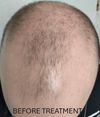
A user's experience with the Big 3 (minoxidil, finasteride and RU58841) hair loss treatment along with dermarolling. The dermaroller pin was 1.5mm used once per week and drew some blood but not a lot.
User asks where to purchase exosomes/AAPE for microneedling hair loss treatment. Links to research on hair regeneration therapy, stem cell therapy, exosome therapy, and dermal exosomes provided.
AMP-303, a new injectable treatment for androgenetic alopecia, showed promising results in increasing hair count and density with minimal side effects. The treatment demonstrated significant hair regrowth and durability, offering new hope for those with hair loss.
Microneedling with finasteride, minoxidil, DMSO, and black seed oil shows mixed hair regrowth results. There are concerns about DMSO's safety and effectiveness.
A user is participating in a phase 3 trial for Clascoterone, a topical acne medication that may stimulate hair growth, and will share results after 6 months. They will have a section of their hair shaved and marked with a tattoo for the study.
The conversation is about recommending safe and effective dermaroller or dermastamp brands for hair loss treatment. Users discuss avoiding cheap options to prevent scalp damage and share usage frequency.
A person is considering starting hair loss treatments before their wedding in a year, with options including laser treatment with Saw Palmetto shampoo and conditioner, or Minoxidil and Finasteride. They are concerned about potential shedding from Minoxidil and Finasteride and seek advice on when to start treatment to avoid shedding on their wedding day.
A 34-year-old man is using natural methods like rosemary and peppermint oil, micro-needling, and low-level lasertherapy to manage hair thinning, avoiding medications like minoxidil and finasteride. Despite minimal visible progress, he values the non-medicated approach and remains consistent with his routine.
Hair loss treatments discussed include cosmeRNA, minoxidil, finasteride, RU58841, and pyrilutamide. Users debate effectiveness, side effects, and upcoming treatments, with some expressing skepticism and others optimism.
AH-001 is a new topical treatment designed to degrade androgen receptors, targeting the root cause of androgenetic alopecia without the side effects of oral treatments like finasteride. It has shown a strong safety profile and good local tolerability in early trials.
Eli Lilly's drug baricitinib showed effectiveness in treating alopecia areata, with higher doses resulting in significant hair regrowth compared to placebo. The treatment is not for male pattern baldness.
The conversation is about using DIY copper peptide (GHK CU) serum for microneedling to address hair loss, with additional treatments including Nizoral for DHT reduction and red light therapy. The user is considering adding Minoxidil but is concerned due to having cats.
The user had a detailed 3.5-hour consultation with Dr. Zarev for hair loss treatment, praising his meticulous approach and innovative techniques, and was prescribed topical finasteride and minoxidil. Other users agreed on Zarev's expertise, noting his long waiting list and the high quality of his work, with one surgery per week and a focus on individual patient care.
The user has been using oral and topical minoxidil, finasteride, and dermarolling for two months, seeing progress with hair regrowth, especially on the temples. They also use these treatments on their beard and eyebrows with positive results.
The conversation is about the potential side effects of using verteporfin in conjunction with a hair transplant. Specific treatments discussed include verteporfin, a hair transplant (HT), minoxidil (Min), finasteride (Fin), and RU58841 (RU).
Using tretinoin or tazarotene with minoxidil may eliminate the need for microneedling or dermastamping. Microneedling can enhance minoxidil's effects but may cause long-term scalp issues.
A user shared their 6-month progress after a hair transplant, continuing to use 0.5mg dutasteride and minoxidil daily, along with red light lasertherapy. They recommend hair transplants for those who haven't had success with medical treatments.
A 24-year-old man is seeking advice on his current hair loss treatment, which includes 0.5mg Dutasteride daily, 2.5 mg oral Minoxidil daily, and daily low-level light lasertherapy, as he's not seen improvement recently. He's also considering a hair transplant in South Korea at age 25 and is asking for opinions on this plan.
Winlevi (clascoterone) is discussed as a treatment for hormonal acne and seborrheic dermatitis due to its ability to block DHT and regulate sebum production. The post suggests that Winlevi could offer a novel approach for managing seborrheic dermatitis.
The user had a positive experience with an FUE hair transplant procedure performed by Oguz Kayiran on February 12, 2021. They are satisfied with the results.
The conversation discusses using microneedling combined with castor, peppermint, rosemary oils, and caffeine as a treatment for mild hair loss, aiming to stop or slow down hair loss and potentially regrow hair. The effectiveness of this treatment without side effects is uncertain, and it may slow hair loss but results vary.
A 1-year progress report from a person who used topical finasteride and minoxidil, as well as dermarolling, to combat hair loss. Replies discussed the impressive results achieved, recommended further treatments, and cautioned against using oral minoxidil due to its potential side effects.
The user shared progress on hair regrowth using oral dutasteride, oral minoxidil, and verteporfin procedures. They reported some regrowth after 6-9 months of treatment.
Vitamin D deficiency can hinder hair recovery, and addressing it may help with hair loss. Hair loss may result from various issues like excess DHT, vitamin deficiency, or scalp inflammation.
Hair follicle regenerative therapy is being developed, with clinical trials planned in Japan, potentially allowing for hair cloning and eliminating the need for treatments like finasteride. If successful, the treatment could be available in Japan by 2025, but widespread access and affordability may take longer.
Treating Seborrheic Dermatitis, a fungal scalp condition which can cause hair loss. Treatments discussed include antifungal shampoos, cold showers, exfoliating the scalp, taking Vitamin D, and stimulating the prostate through the anus.
The user shared progress pictures of hair loss treatment using finasteride, minoxidil, and microneedling, expressing hope for recovery after an 8-9 month break. They seek advice on restarting treatment and are optimistic about regaining previous results.