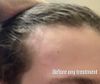
Minoxidil use may worsen seborrheic dermatitis, causing itching and dandruff. Users consider stopping minoxidil or switching to foam to improve scalp condition.
The conversation is about the potential format of Breezula, a hair loss treatment, and concerns that it might be greasy or sticky. Specific treatments mentioned are Minoxidil, finasteride, and RU58841.
User is experiencing severe hair loss despite using finasteride for 15 months, losing 500 hairs a day and 50% density since June. Minoxidil with needling was ineffective, and RU58841 is too expensive and hard to obtain.
The conversation provides advice on using derma rollers, stamps, and pens for hair loss, detailing types, usage, cleaning, depth, frequency, and caution with topicals like minoxidil. The user plans to replace a roller with a pen for better accuracy and safety, and uses a castor oil/rosemary oil mix post-needling.
Hair loss is causing distress and self-esteem issues, with discussions on treatments like finasteride, minoxidil, and hair transplants. Some suggest topical treatments or lifestyle changes, while others stress the importance of confidence and self-acceptance.
A user experienced severe hair loss after stopping Accutane and is concerned about using Minoxidil due to anxiety and doubts about its effectiveness. They are seeking advice on whether the hair loss will resolve on its own and if they should expect recovery soon.
The user is seeking an alternative solvent for pyrilutamide due to skin irritation from ethanol and propylene glycol. They experienced similar issues with topical minoxidil.
The user stopped using minoxidil due to side effects and is trying alternatives like vitamin D supplementation, scalp massages, cold showers, oil treatments, zinc shampoo, and dermarolling. They report improved scalp health and some new hair growth, despite skepticism from others about the effectiveness of these methods.
The user is experiencing increased hair shedding and thinning despite using Minoxidil, Finasteride, vitamins, zinc, microneedling, and Omega 3 supplements. They are seeking advice on whether this is normal and how to stop it.
Retinoids, like Retin-A and retinol, can be beneficial when used with minoxidil for hair loss. Retin-A is the strongest and requires a prescription, while retinol is over-the-counter.
A 22-year-old is experiencing hairline recession after switching from topical to oral finasteride, despite using minoxidil. They are considering returning to topical finasteride or trying dutasteride for better results.
User discusses using trichosol as a vehicle for hair loss treatments like finasteride and minoxidil. They ask about others' experiences and the stability of the solutions.
A user's progress with using Minoxidil 5% twice daily, dermarolling 1.5mm once per week and ketoconazole 2% shampoo for 2.5 months. Other users have suggested that the user should also use finasteride in order to maintain their results.
User "mo_movic" shared 4-month progress using finasteride, minoxidil, ketoconazole, and dermaroller for hair loss. Others congratulated and discussed their own experiences, with "mo_movic" reducing finasteride dose and using ketoconazole twice a week.
The conversation is about adding dermarolling to a hair loss treatment routine. The user seeks recommendations for dermarollers, stamps, or pens, emphasizing the importance of quality and proper cleaning.
The conversation discusses hair regrowth results using dutasteride, minoxidil, and dermarolling over six months. OP reports significant improvement, especially in the temples, by derma-rolling frequently and applying minoxidil afterward.
Liquid minoxidil caused mild seborrheic dermatitis on the user's eyebrows, likely due to propylene glycol. The user is considering switching to foam or oral minoxidil to avoid irritation on the scalp/temples.
A user on dutasteride and oral minoxidil for two years has experienced worsening hair loss and an itchy scalp. Suggestions include increasing medication doses, trying other treatments like RU58841, getting a scalp biopsy, and addressing potential inflammation through diet and topical treatments.
A user mixed peppermint, rosemary, and castor oil and applied it to their scalp, causing excessive hair shedding. They're concerned about permanent hair loss, while another user shared their experience of using undiluted rosemary oil without any major issues.
The user is considering switching from oral to topical minoxidil and possibly adding finasteride, while continuing with dutasteride and incorporating microneedling to improve hair loss treatment. They are concerned about potential shedding during the transition.
Serevelle is being considered for hair loss due to menopause, but its effectiveness is unclear. Minoxidil and hormone management are suggested alternatives.
The conversation is about a user's 1.5-year experience using oral finasteride and minoxidil for hair loss. Users discuss the visual improvement, potential side effects, and the normalcy of shedding during treatment.
The conversation discusses using a hair wax containing propolis and Eruca sativa seed oil for hair growth. It also mentions treatments like Minoxidil, finasteride, and RU58841.
The user has been using RU58841, topical Minoxidil, Ketoconazole shampoo, and a Dermastamp for 8 months, and Finasteride for 7 months to treat hair loss. They apply RU58841 daily, use Minoxidil and Dermastamp regularly, take Finasteride daily, and have not experienced side effects.
A user on dutasteride and oral minoxidil for two years reports worsening hair loss and is seeking advice. Suggestions include consulting a professional for underlying causes, acknowledging that treatments don't work for everyone, and considering dosage adjustments or additional treatments.
A person using Minoxidil, Finasteride, Microneedling, and recently added Tretinoin is experiencing heavy shedding and thinning hair. They suspect Tretinoin has made them respond to Minoxidil and are seeking others with similar experiences.
The user experienced significant hair shedding after starting and stopping minoxidil and finasteride, leading to thin hair and personal distress. They are currently on oral finasteride without side effects and are advised to maintain consistent treatment and consider additional options like microneedling and oils.
The user is experiencing scalp irritation and hair thinning, possibly due to stress, with red patches on the face and dry skin. They are considering seeing a dermatologist and have used tea tree and rosemary oil.
The conversation discusses hair loss treatments for a woman experiencing androgenetic alopecia and seborrheic dermatitis, with suggestions including low-dose oral minoxidil, dutasteride, and hormone replacement therapy. The user is seeking advice due to intolerance to spironolactone and topical minoxidil, and concerns about low testosterone and DHT levels.
The user started using topical latanoprost and dutasteride, experiencing significant hair shedding and scalp itchiness, possibly due to an allergic reaction. They are considering stopping the treatment if the shedding is linked to an allergy.