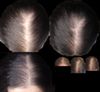
Oral minoxidil and dutasteride are used for hair loss with mixed results. Some users report new growth, while others suggest scalp inflammation may be an issue.
The user is seeking an alternative solvent for pyrilutamide due to skin irritation from ethanol and propylene glycol. They experienced similar issues with topical minoxidil.
The user reports improved hair growth after adding oral minoxidil and microneedling to their routine, while reducing oral minoxidil dosage due to hand swelling. They've been treating hair loss with finasteride and minoxidil since 2015, with intermittent use of minoxidil.
A female user starting Spironolactone treatment for thinning hair, and others sharing their experiences with Minoxidil and oral/sublingual Minoxidil as treatments.
A 47-year-old male experienced mixed results with hair loss treatments using finasteride and oral minoxidil. After reducing dosages and adding creatine, he noticed shedding, but switching back to higher doses and changing to pea protein may help regain progress.
A 19-year-old concerned about long-term effects of 5AR inhibitors on physical appearance. They have used finasteride and plan to try dutasteride or RU58841; responses suggest improved skin, hair, and confidence.
A user applied the 8T3 product for hair loss, targeting LPP and AGA, and plans to update on its effectiveness. The product uses a saline buffered phosphate vehicle, suitable for those intolerant to ethanolic vehicles.
Topical finasteride in a liposomal formulation reduces systemic absorption compared to ethanol solutions. The user is seeking sources for such products, noting that popular options like morr-f are not liposomal.
The user has been using a spray containing minoxidil and finasteride for 19 months and started oral finasteride 9 months ago. They plan to begin dermarolling.
Foam minoxidil may be a good alternative for those who experience irritation from liquid minoxidil, though opinions on its effectiveness vary. Some users suggest oral minoxidil as a more effective option with fewer side effects at low doses, while others recommend foam or alcohol-free topical versions for sensitive scalps.
A user is starting a topical finasteride treatment for diffuse patterned alopecia, having previously used minoxidil without success. They are cautious about side effects and have chosen topical over oral finasteride, while also using Nizoral and biotin in their routine.
A user is considering switching from oral minoxidil to a combination of 5% topical minoxidil and tretinoin to reduce hypertrichosis. They hope this combination will be effective without causing excessive body hair growth.
Switching from topical to oral minoxidil for hair loss treatment. The user seeks advice on dosage and whether to overlap or combine both forms for better results.
User discusses topical liposomal finasteride for hair loss, hoping to avoid breast growth side effect. Conversation includes using minoxidil, fluridil, and dermarolling, and mentions minimal systemic absorption of liposomal finasteride.
The user has been using oral dutasteride 0.5mg, oral minoxidil 2mg, and topical minoxidil 5% for hair regrowth, along with microneedling. They have seen significant hair coverage improvement and are considering additional supplements for better results.
The conversation is about a user's hair loss progress and treatment methods. The majority of users suggest shaving the head for better application of treatments like Minoxidil, microneedling, and oils. They also recommend adding finasteride and nizoral shampoo to the regimen.
A user shared their positive experience with hair regrowth after almost 10 months on oral dutasteride 0.5mg and oral minoxidil 5mg daily, noting thicker and healthier hair without side effects. They plan to undergo a hair transplant soon and encourage others facing hair loss to explore treatment options.
The user has been using a topical spray containing finasteride and minoxidil for six months but is experiencing increased hair shedding and concerns about its effectiveness. Suggestions include switching to oral finasteride and minoxidil, consulting a dermatologist, and checking for underlying health issues like thyroid function and nutrient deficiencies.
The user is experiencing hair loss and is using oral treatments including 5mg minoxidil, 1.1mg finasteride, and 1mg biotin daily. They are considering adding dutasteride and possibly a hair system, while others suggest patience and additional treatments like microneedling.
The user plans to lower their oral minoxidil dose from 5 mg to 2.5 mg to reduce side effects like puffiness and hypertrichosis, while also using finasteride and accutane. They are considering caffeine serums for puffiness and discussing dietary changes or switching to topical minoxidil to address bloating.
The user has been using oral minoxidil and finasteride but continues to experience hair thinning. They are considering adding RU58841 or dutasteride to their regimen for better results.
A 25-year-old male with seborrheic dermatitis and hair thinning seeks advice on the severity of his condition and treatment options. Oral finasteride and oral minoxidil are recommended as the most effective long-term treatments.
The user "Bishiop" shared a comparison of their hair progress over 9 months using oral finasteride, topical minoxidil, and microneedling. Other users commented on the results and shared their experiences with hair loss treatments.
The user switched from finasteride and topical minoxidil to dutasteride and oral minoxidil, questioning the effectiveness and safety of continuing RU58841. They experienced hair loss improvement initially but are now considering stopping RU58841 due to cost and safety concerns.
A user is upset about hair loss due to seborrheic dermatitis and DUPA, which prevents a hair transplant. They mention using jojoba oil and discuss treatments like Minoxidil, finasteride, and RU58841.
LLLT (low-level laser therapy) is as effective or better than traditional minoxidil treatment for hair growth, with fewer side effects and improved long-term compliance due to milder adverse effects. Studies show LLLT increases hair density more than minoxidil, but drawbacks include the initial cost and the need for long-term use to see results.
The conversation discusses hair loss treatments, specifically Stemoxydine from Vichy, and mentions alternatives like Minoxidil, finasteride, and RU58841. The user is seeking a more affordable option than L'oreal Serioxyl.
User is asking for progress on hair regrowth after 6 months of using oral finasteride and minoxidil tablets. Replies suggest good results and recommend using dutasteride instead of finasteride for severe hair loss.
The user is using a regimen of dutasteride, oral and topical minoxidil, Nutrafol, and keto shampoo for hair regrowth, with plans for a hair transplant at the one-year mark. Users suggest adjusting treatments due to scalp inflammation and discuss the potential addition of RU58841, while noting impressive results so far.
The user is considering combining 1mg oral finasteride with 0.1% topical finasteride due to reduced effectiveness after 5 years and is also using minoxidil twice daily. They previously tried dutasteride but stopped due to side effects and are hesitant to try RU58841.