Search
for
Sort by
Community Join
90-120 / 1000+ resultscommunity Anyone here who’s using Alfatradiol (17a-Estradiol) in consistency with some results?
User discusses Alfatradiol (17a-Estradiol) as a potential hair loss treatment with mixed results. Concerns include low dosage, receptor theory, and possible increased aromatase activity on scalp.
community Weird response to microneedling
Microneedling can cause sneezing and eye tearing due to nerve stimulation, particularly near the temples and forehead. Some users find it lessens over time, while others prefer using finasteride and minoxidil for hair growth.
community RU58841 works great!
community redensyl causing a lot of shedding. have bald spots. 1 month redensyl use. thinking of going for CosmeRNA
User experienced shedding and bald spots after 1 month of using Redensyl. Considering trying CosmeRNA as alternative treatment.
community My scalp is dry and scaly feeling 2 weeks after microneedling
A user experienced a dry, scaly scalp two weeks after microneedling with a dermapen at 1mm and applying Rogaine foam. They tried moisturizers and coconut oil without success and are seeking advice.
community How fast do wounds from derma rolling heal in your experience?
The user has been using minoxidil and finasteride for hair loss but is now considering microneedling due to recent hairline regression. Another user reassures that derma rolling causes only slight redness, which usually heals overnight.
community Extreme caution: my experience using Ru58841 only once
An 18-year-old experienced severe side effects, including heart palpitations and high blood pressure, after using RU58841 once, leading to a referral to cardiology for suspected left ventricular hypertrophy. The user regrets using RU58841 and seeks advice on recovery, while others suggest preexisting conditions or genetic predispositions may be factors.
community Quercetin got rid of my scalp soreness
Quercetin reduced scalp soreness and may help with histamine-related hair loss. The soreness felt like inflamed follicles beneath the scalp surface.
community Tretinoin help. Slight burning and lots of peeling
User is using minoxidil with tretinoin 0.025% and experiencing peeling and burning on the scalp. They are unsure if it's effective or if they are using it too frequently.
community Effects of 2% vs 5% min for sebderm
Switching from 2% liquid minoxidil to 5% foam minoxidil reduced scalp irritation but increased eyebrow flakiness and thinning. The user speculates that propylene glycol in the liquid formulation might have been protecting against seborrheic dermatitis while causing contact dermatitis.
community Any Recommendations For Exosome Treatments In The Greater Sacramento Area?
A user is seeking recommendations for dermatologists or hair clinics in the Greater Sacramento or Bay Area for exosome treatments, comparing topical application plus microneedling versus direct scalp injections. They are also asking for personal experiences and before-and-after photos.
community Question on topical fin for people who did not respond well to oral fin
The conversation discusses switching from oral to topical finasteride due to side effects like nipple soreness. The user seeks advice on diluting and applying topical finasteride to minimize adverse effects.
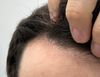
community Bumps After 1 Month of Weekly Microneedling at 1mm
Microneedling once a week at 1mm caused bumps, possibly scars, in the treated area. The user is considering cleaning the skin before microneedling to prevent this issue.
community Extremish regimen - dermarolling too hard?
The user is using a hair loss treatment regimen that includes RU58841, minoxidil mixed with finasteride, adenosine, dermarolling with lidocaine cream, and biotin. They are questioning if they are dermarolling too aggressively and are willing to accept baldness if no improvement is seen in 6 months.
community Facial hair loss
User noticed beard and sideburn hair loss, and thinning eyebrows, diagnosed with alopecia barbae and male pattern baldness, and prescribed Desonide cream. User seeks feedback on Desonide cream.
community Persistent Genital Itching on Finasteride Despite Clotrimazole Treatment
The user experienced genital itching while using finasteride and noticed a yellow bump, which improved with clotrimazole, but the itching persists. The discussion focuses on side effects of finasteride.
community Topical androgens for alopecia to treat sebum overproduction on the face
The conversation discusses using scalp antiandrogens like RU58841, pyrilutamide, or fluridil on the face to reduce sebum production, noting that clascoterone (winlevi) is an approved facial antiandrogen with underwhelming reviews.
community Verteporfin (Visudyne) group buy 🌷
User seeks participants for Verteporfin group buy. Verteporfin, FDA approved, may regenerate hair follicles and sweat glands through heavy microneedling.
community Itchy/Sore scalp with hair loss M(28).
A 28-year-old male is experiencing hair loss, itching, soreness, and numbness on the scalp, with symptoms including dry, brittle hair and scalp irritation. Treatments tried include Nizoral, salt water, various oils, and antihistamines, with limited success; a chemist suggested a possible fungal infection, while a doctor suspected male pattern baldness.
community For those dealing with an unbearable scalp itch/pressure/inflammation.
The conversation discusses using cetirizine (Zyrtec) topically to relieve scalp itch associated with hair loss and suggests it may also benefit androgenetic alopecia (AGA). One person found relief from scalp itch after three months on finasteride, noting the itch was linked to areas where hair was lost.
community Estradiol mesotherapy / idea feedback
The conversation discusses using estradiol mesotherapy to replicate hormone replacement therapy results while minimizing systemic exposure. It also covers the use of Spironolactone cream, which reportedly has no systemic side effects, and the potential risks of using bicalutamide and Spironolactone in men.
community Mixing stemoxydine and pre mixed ru58841
User asks if mixing RU58841 solution with Serioxyl is okay for better scalp coverage and worries about reduced effects.
community Wrinkly under eyes at 24?! Possible Minoxidil side effect?
A user noticed wrinkling under one eye, possibly due to Minoxidil use. They seek advice on preventing or fixing this issue.
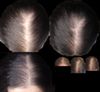
community 25M with Seb Derm and Thinning: Seeking Severity Assessment and Advice
A 25-year-old male with seborrheic dermatitis and hair thinning seeks advice on the severity of his condition and treatment options. Oral finasteride and oral minoxidil are recommended as the most effective long-term treatments.
community Experiences with Eucapil? Itching scalp
User discusses Eucapil for hair loss treatment and asks if it helps with itchy scalp. People share their experiences and results, including maintenance or slight improvement.
community Derminator2 causing scars (microscope images attached)
User experienced scarring from microneedling at fast speed and paused treatment for 3-4 weeks to recover. Advice given includes waiting a full month for recovery to avoid scars.
community NW4 -> NW 2.5 (1yr progress) RU 8.5-9% ED and topical Dut .1% + RU 5% 1.5x a week. (+ caffeine redensyl scalp treatment ED)
The conversation discusses hair regrowth progress from Norwood scale 4 to 2.5 over a year using daily 8.5-9% RU58841, topical Dutasteride 0.1%, RU58841 5% 1.5 times a week, and daily caffeine redensyl scalp treatment.
community Alfatradiol 1% study rebuttal.
Alfatradiol is often discussed at a 1% concentration, but studies typically use 0.025%. Some users report success using it as a topical treatment alongside other hair loss treatments like finasteride.
community Is anyone maintaining/getting results on fluridil(eucapil) or alfatradiol?
Hair loss discussion includes fluridil (eucapil) and alfatradiol. Users share improvement experiences and alternative treatments in comments.