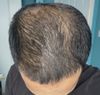
OP uses microneedling, Minoxidil, and recently started RU58841 for hair loss. Users suggest adding finasteride, but OP is concerned about side effects.
The conversation discusses disappointment in Verteporfin for hair loss treatment, with a mention of an upcoming trial by Dr. Bisanga. No specific treatments were confirmed as used by the original poster.
The conversation discusses hair cloning trials expected to start in 2020-2021 and mentions concerns about potential delays due to the Coronavirus. Treatments like Minoxidil, finasteride, and RU58841 are referenced.
PP405 is being discussed as a potential treatment for hair loss, with uncertainty about its effectiveness compared to existing treatments like finasteride, dutasteride, and minoxidil. There is cautious optimism, but its impact on hair transplants remains unclear.
People are discussing the use of the peptide GHK-Cu for hair and skin, with mixed results. Some users have tried it alongside other treatments like adenosine and melatonin, but have not seen significant improvements, and one user stopped due to cost.
The user is experiencing significant hair regrowth using a regimen of 1mg oral finasteride, 1.25mg oral minoxidil, 5% topical minoxidil twice daily, biotin, vitamin D3, fish oil, and weekly microneedling with a 1mm needle roller. They are pleased with the progress and hope their protocol can help others achieve similar results.
PRP treatments for hair density show mixed results, with some users seeing minor improvements but not significant regrowth or halting of hair loss. Combining PRP with treatments like minoxidil, finasteride, or dutasteride may enhance results, but it is not a miracle solution.
The user has seen significant hair regrowth using a routine of minoxidil, finasteride, microneedling, scalp massage, and Nizoral. They are considering adding red light therapy and PRP to their regimen.
The conversation discusses the delay in the release of GT20029 for hair loss treatment and skepticism about its effectiveness. Participants mention other treatments like verteporfin and advancements in transplant procedures as more realistic options.
High frequency ultrasonography and HR-MRI can help identify hair shedding causes like inflammation and fibrosis. The conversation discusses the potential of using these technologies to evaluate treatments like Verteporfin for hair regeneration.
OP shared a 7-year hair density progress update using Minoxidil, Finasteride, and dermarolling. Creatine use was discussed, with mixed opinions on its impact on hair loss.
User visited derma doctor, suggested finasteride, minoxidil, multivitamins, and PRP therapy. Another user advised against PRP due to cost and ineffectiveness.
The user has been using finasteride, minoxidil, and dermastamping, and started HRT 4 months ago but feels discouraged about progress. Other users see significant improvement and offer encouragement.
The user experienced hair loss due to undiagnosed anemia and has been taking iron and vitamin D3 supplements, which improved their energy levels but not hair regrowth. They are seeking advice on additional treatments or steps to restore hair after iron deficiency anemia.
A 30-year-old male using finasteride for hair loss has high testosterone and estrogen levels but no side effects. He is advised to monitor hormone levels, consider dietary changes, and use additional treatments like vitamin D3, minoxidil, and dutasteride for hair growth.
A peptide-based delivery system for finasteride shows promise in reducing systemic side effects while maintaining hair growth effectiveness. Combining this with other treatments like minoxidil and RU58841 could enhance results with lower systemic absorption.
GT20029 and PP405 are discussed as potential alternatives or complements to finasteride for hair loss treatment. GT20029 is entering phase 3 trials, while PP405 is seen as promising for regrowing hair and possibly eliminating the need for other treatments.
The conversation is about using micro needling and PTD-DBM for hair loss treatment. The user applies PTD-DBM drops on weekdays and performs micro needling weekly.
GT20029, a new hair loss treatment, shows promising results but only a slight improvement over placebo. People are cautiously optimistic, discussing its potential and combining it with existing treatments like Minoxidil and Finasteride.
A 23-year-old male started using Redensyl and Aminexil, along with Tab BTN Ultra and Vitamin D3 supplements, for hair loss. He shared progress pictures after 45-50 days of treatment.
This conversation is a satirical post about using increased doses of oral Minoxidil as a treatment for hair loss, which elicited some humorous responses. Additionally, Finasteride was mentioned in one response as an alternative treatment option.
The conversation humorously discusses the fictional "Post PP405 Syndrome" and the idea of starting a foundation or cult around it. It mentions skepticism about the effectiveness of PP405 and jokes about future therapies.
The user is using finasteride, minoxidil, topical minoxidil with tretinoin, a derma stamp, and ketoconazole shampoo for hair regrowth. They experienced shedding after increasing the dose but are hopeful for fuller hair by November or December.
Maintaining scalp hair and minimizing shedding, treatments used such as Procapil, supplements, topical caffeine, topical estrogen, and scalp massage; suggestions for anagen extenders or pharmaceuticals to help with a short anagen phase.
Hair loss treatments like finasteride, minoxidil, and hair transplants have side effects and limitations. There is hope for future advancements in stem cell therapy and hair follicle regeneration, though skepticism about their effectiveness and timeline persists.
A 27-year-old man shared his hormonal panel results after one year of taking finasteride 1mg/day for hair loss, showing his DHT levels nearly doubled. He reported stabilized hair loss with mild side effects that resolved, and he is considering a hair transplant but is concerned about the increased DHT levels and potential treatment options.
The post discusses various hair loss treatments including minoxidil, finasteride, microneedling, vitamins, lifestyle changes, and reducing prolactin levels. The user reports positive results after 4 months of treatment, including increased hair growth.