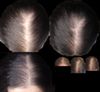
OP is considering dutasteride mesotherapy for hair loss after experiencing side effects from finasteride. A user shared their experience, stating that the treatment was ineffective and costly.
Derma-stamping can damage the scalp if done incorrectly; use 0.5-1.5 mm needles and avoid pressing too hard. It can enhance Minoxidil absorption when done weekly, with results visible in 3 to 6 months.
The user has been using a topical solution of minoxidil 5% and finasteride 0.025% daily, along with dermastamping every two weeks and ketoconazole shampoo twice a week for four months. The treatment is for hair loss.
The conversation discusses using minoxidil foam as a solvent for topical finasteride. Ingredients of minoxidil foam include butane, cetyl alcohol, glycerin, and purified water.
User reports 3-month progress using daily 1mg finasteride, 0.5ml minoxidil (2x daily), 0.5ml dutasteride, and derma rolling 0.5mm 1-2 times per week. They see increased density on crown and top of head, slight progress in corners and temples, and recently added cosmerna.
Minoxidil can be effectively delivered through nanoemulsions containing eucalyptol or oleic acid, enhancing its diffusivity and targeting hair follicles. This contradicts the advice against mixing minoxidil with oils in topical formulations.
Creating a topical solution combining finasteride and stemoxydine to treat hair loss, and the discussion of whether 15mg of finasteride would be sufficient for 60ml solvent.
A user shared their 12-month progress using 0.5% Pyrilutamide once daily, 0.025% topical finasteride once daily, 5% Minoxidil twice daily, and microneedling 3 times a week. They reported good progress but noted a slowdown in recent months, hoping for thicker hair soon.
The conversation is about whether stemoxydine can shorten the dormant phase after a hair transplant, known as the ugly duckling phase. There is skepticism about whether it actually works as claimed.
The conversation is about hair loss treatments, specifically setipiprant, which the user is considering after experiencing side effects from finasteride and dutasteride. Another user mentions that setipiprant was ineffective in clinical trials.
A user shared positive results after 3 months of using 1 mg finasteride and 5% topical minoxidil daily for hair regrowth. Other users expressed amazement and shared similar experiences, with one noting potential shedding around months 5-7.
The user is considering stopping dutasteride and minoxidil due to side effects like low mood and depression after three weeks of use. They are concerned about hair shedding and are contemplating switching to just minoxidil to see if it helps without affecting mental health.
Pumpkin seed oil is not a substitute for minoxidil; it acts more like finasteride as a DHT blocker. Minoxidil is necessary for hair growth, and combining it with treatments like PRP or saw palmetto may be beneficial.
A 20-year-old male experienced early hair thinning due to male pattern baldness and successfully thickened his hair using oral finasteride and topical minoxidil. The conversation highlights the importance of early action and overcoming fear of medication side effects.
The conversation discusses using minoxidil, finasteride, a dermastamp, and botanical oils like peppermint, rosemary, and pumpkin seed oil for hair growth. The user is considering using Alpha Infuse, which combines microneedling with plant oils, to enhance results.
People are frustrated with hair loss treatments like finasteride, minoxidil, and dutasteride, with mixed results and side effects. Some users suggest trying different combinations or doses, while others express disappointment and hope for a cure.
The user applies Rogaine foam, Toppik hair fibers, and Tresemme mousse to improve hair appearance and has restarted finasteride after a year off. They are considering a hair transplant and are working on self-esteem related to hair loss.
The user is unsatisfied with their hair transplant and is considering another transplant, PRP, exosomes, or stem cells. They currently use topical minoxidil, dutasteride, and tretinoin.
A 21-year-old male diagnosed with telogen effluvium and male pattern baldness started oral finasteride, which initially slowed hair loss and slightly thickened hair, but experienced increased shedding after surgery. The doctor recommended iron and vitamin D supplements, and the user is seeking additional advice.
A 24-year-old woman with hair loss due to anemia and possibly thyroid issues is undergoing mesotherapy, which was only applied to the top of her head. She is considering minoxidil and is concerned about the effectiveness of the treatment, as her hair loss is not related to hormonal factors.
Amplifica's progress on Scube3 is unclear, with no recent updates. The conversation also mentions Minoxidil, finasteride, and RU58841 as hair loss treatments.
The user is currently using finasteride and minoxidil and is considering adding microneedling and either RU58841 or Pyrilutamide for potential hair regrowth. They previously used microneedling, RU58841, and oral minoxidil before their hair transplant.
A 21-year-old shares progress 1.5 months after starting finasteride (0.5 mg every other day) with no side effects, using minoxidil for beard growth, rosemary oil, and weekly microneedling. They report healthier hair texture and positive feedback from family.
Low estrogen levels may reduce the risk of side effects from finasteride, such as gynecomastia. Some users plan to start with microneedling and minoxidil before trying finasteride, while others have experienced temporary side effects from topical finasteride but continued use without persistent issues.
PP405 is criticized for overhyped claims and cherry-picked data, with doubts about its effectiveness compared to minoxidil and finasteride. Many users express skepticism, emphasizing the need for more comprehensive trial results.
The user experienced significant hair regrowth using topical Minoxidil and Finasteride but had to stop due to high liver enzyme levels. They plan to pause treatment for a month to see if their liver values return to normal.
The conversation discusses the use of autologous exosomes for hair loss, questioning their effectiveness and seeking real user experiences. The user is skeptical about the treatment's legitimacy and is looking for honest feedback on its results.
Exosomes are being considered for hair regrowth, with some users reporting initial improvement. One user moved on to using dutasteride and oral minoxidil with positive results.
The user, Virtual_Force3845, shared their progress pictures after using Hims Fin/Min Spray consistently for 3-4 months. They are excited about the progress and have not experienced any side effects. Other users in the conversation shared their own experiences and asked questions about the treatment.