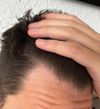
The conversation is about a user's progress with hair loss treatment using 0.5mg oral finasteride and 50ml of Essegen-F topical finasteride daily, with improved hair density and minimal side effects. The user also used ketoconazole shampoo for seborrheic dermatitis and noticed significant hair regrowth over 1.5 years.
Scalp sunburns can cause permanent hair loss, so wearing UPF hats is essential. Tretinoin and Tacrolimus users should be cautious of increased photosensitivity and potential scalp issues.
The post discusses whether a topical serum with 0.3% finasteride, 6% minoxidil, and essential oils is as effective as a spray with the same concentrations but different ingredients for scalp absorption. The user is seeking advice on which formulation absorbs better into the scalp.
A user asked if microneedling, massages, and essential oils can prevent further hair loss in the crown area without using drugs. The response indicated that without a 5-alpha-reductase inhibitor, hair loss will likely continue.
The conversation is about someone switching from a hair loss treatment spray with alcohol and propylene glycol to a serum with essential oils, questioning the absorption and effectiveness of the new product. The spray and serum both contain 0.3% finasteride and 6% minoxidil.
People discussing their experiences with natural treatments for hair loss, such as essential oils, deep scalp massages, anti-inflammatory measures, and supplements. Most of the replies suggest that these treatments are not effective and recommend medication such as minoxidil or finasteride instead.
The conversation discusses alternatives to minoxidil and finasteride for hair regrowth, with mentions of essential oils, PRP therapy, and RU58841. The focus is on finding treatments with minimal side effects, especially concerning fertility.
A 23-year-old plans a hair transplant and uses finasteride, Essengen 6 Plus, ketoconazole shampoo, dermarolling, vitamins, and Foligain capsules. He seeks advice on his regimen and the timing of the procedure, considering family history and potential future hair loss.
Oral minoxidil dosing should be based on body weight to minimize side effects, with higher doses increasing risks like pericardial effusion. Combining oral minoxidil with topical treatments and finasteride can improve hair growth, but regular heart health monitoring is essential.
Stopping Minoxidil caused significant hair loss, which was mostly regained after resuming 1mg Finasteride and 3mg oral Minoxidil. Consistent use of both treatments is essential for maintaining hair growth.
Hair growth relies on mechanical forces, not just chemicals, with tissue acting like a motor. Minoxidil and finasteride help, but maintaining tissue elasticity and addressing mechanical issues are essential.
The user is experiencing hair loss and has been using RU58841 but is considering pyrilutamide and minoxidil, avoiding finasteride due to side effects. Another user suggests finasteride or dutasteride as essential, possibly in topical form, while dismissing saw palmetto as ineffective.
The user experienced significant hair shedding after pausing their hair care regimen, which included finasteride, micro-needling, Nizoral shampoo, vitamin D, essential oils, melatonin, caffeine, exercise, and protein intake. They are concerned if the shedding is due to the break in their routine or a normal phase of finasteride use.
The conversation is about a hair loss treatment regimen using high concentrations of natural ingredients: pumpkin seed oil, saw palmetto, rosemary and peppermint essential oils, and caffeine. The user also practices microneedling, scalp massage, and takes Nutrafol.
Hair transplants cost more in the U.S. than in Turkey, but quality varies. Proper research is essential, as aggressive transplants can exhaust donor hair, and finasteride only slows hair loss.
The user is using a routine involving microneedling, Minoxidil with tretinoin, a red light cap, scalp massages, Nizoral shampoo, and essence oil shampoo to address hair loss, with visible progress noted. They are considering topical finasteride or dutasteride if progress slows but are cautious due to past side effects.
Topical finasteride can be as effective as oral finasteride for hair regrowth with fewer systemic side effects, but precise dosing is essential. Combining oral dutasteride with topical finasteride is not recommended due to dutasteride's stronger inhibition.
A 29-year-old is using liposomal topical finasteride/minoxidil and low-level light therapy (LLLT) to improve hair growth, showing significant progress in crown recovery. The user prefers liposomal topicals to avoid side effects from oral finasteride and uses the iRestore Essential device for LLLT.
Derma rollers may cause scarring alopecia, leading some to prefer dermastamps or dermapens for microneedling. Combining minoxidil with microneedling is effective, but proper technique and healing time are essential to prevent damage.
The user is experiencing hair loss and has tried topical finasteride without success due to side effects. They are considering using essential oils like rosemary, castor, and peppermint, and have started using 0.5% Pyriltamide.
Finasteride increased the user's estrogen levels by 51%, causing concerns about gynecomastia and sleep issues. Despite potential side effects, the user prefers continuing finasteride to prevent hair loss, considering it essential for self-esteem.
The conversation discusses hair loss treatments like topical finasteride with minoxidil, oral dutasteride, and essential oils. Oral treatments like dutasteride and finasteride are seen as more effective, though some prefer topicals to avoid side effects.
The conversation discusses androgenic alopecia (AGA) and its treatments, focusing on finasteride, minoxidil, and ketoconazole shampoo. Finasteride is recommended as essential for preventing further hair loss.
User plans to switch from oral to .005% topical finasteride, using a solvent from minoxidilmax and later Essengen-F. They will monitor DHT levels and seek advice on solvents and sleep caps.
The post and conversation are about hair transplant tips and experiences. The user emphasizes thorough planning, essential packing, and post-surgery care, and regrets not using finasteride earlier.
The conversation humorously discusses using finasteride to combat hair loss, referencing "Dune" themes. Users agree that finasteride is essential for maintaining hair.
The user discusses hair transplant results and questions the necessity of pairing microneedling with a special liquid, aside from minoxidil, for better hair thickening. They are skeptical about the doctor's recommendation and seek advice on whether the liquid is essential or a sales tactic.
A man lost his transplanted hair despite using minoxidil because he wasn't on a DHT blocker like finasteride, which is essential to prevent further hair loss. The conversation emphasizes that hair transplants are not a cure and require maintenance with medications to preserve results.
The user is addressing hair loss with finasteride, dutasteride, oral and topical minoxidil, dermarolling, and shampoos. They are considering adding essential oils to improve circulation.