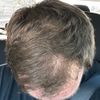
The user experienced worsening hair loss despite using oral minoxidil, finasteride, and topical minoxidil for nine months. They are considering switching to dutasteride and reducing ketoconazole shampoo due to its drying effects.
A user in Poland created a homemade "oral topical minoxidil" using 2% topical minoxidil, propylene glycol, and vodka due to difficulty obtaining oral minoxidil. They shared a recipe and sought feedback, emphasizing caution and safety in dosing.
A user shared an 18-month update on their crown hair transplant, performed by Jason Sorgi at Boston Hair Restoration, expressing satisfaction with the results. They continue to use oral minoxidil and finasteride to maintain hair health.
The user switched from finasteride to dutasteride in January and noticed increased crown thinning, despite using minoxidil with rosemary, biotin, and castor oil. They are concerned about hair loss and considering visiting a clinic for further advice.
The conversation discusses the potential of developing a selective oral SARM to target androgen activity in the scalp and skin, as an alternative to oral Dutasteride and Finasteride, which have systemic side effects. It also mentions Clascoterone and RU58841 as topical treatments for hair loss.
Some men are bald because they are unaware of hair loss treatments like Minoxidil (Min) and Finasteride (Fin), while others choose not to use them due to potential side effects, cost, or personal preference. Treatments like Min and Fin are discussed, with varying results and opinions on their effectiveness and side effects.
A 48-year-old man has been using minoxidil for 15 years and considered finasteride but stopped due to potential side effects. He is concerned about his mental health and the impact of hair loss on self-image, and he encourages support among men experiencing hair loss.
A user in their late thirties is skeptical about the effectiveness of a hair growth supplement and is considering switching to cheaper alternatives like Biotin. They currently use finasteride, microneedling, and are contemplating switching to Dutasteride and purchasing Nizoral shampoo.
The conversation is about someone using finasteride and minoxidil along with microneedling as a treatment for hair loss, and there's a mention of scalp tattooing as an alternative or additional approach. Some responses mock the approach, while others inquire about the specifics of the treatment and its effectiveness.
The use of tropoelastin injections and verteporfin for hair transplant recipients to help regrow donor area hairs, as well as research done on tropoelastin injections restoring elastin in scarred heart tissue and skin. There are discussions about why it is taking so long to get cosmetic mass produced tropoelastin injectables on the market.
Using Nizoral shampoo intermittently and reassessing scalp condition after each bottle, potentially adding in other tools to target seb derm, and alternating between Pura D'Or and Nizoral for a healthy and clean scalp.
Botox injections may be more effective than finasteride for hair growth by reducing scalp tension. The discussion also suggests choosing FUE over FUT due to potential loss of scalp elasticity with FUT.
The conversation discusses the effectiveness of Azelaic acid for hair loss, suggesting it may make Finasteride an outdated treatment for male pattern baldness. Specific treatments mentioned include Minoxidil, Finasteride, and RU58841.
Protein's role in hair growth is complex, with specific amino acids like cysteine being crucial for effective hair growth. Users discussed using l-cysteine supplements, noting reduced hair loss and faster growth, though some experienced digestive issues.
A new "third cell" discovery in Japan could be key to fully regenerating hair follicles, with human trials possibly starting in 2027-2028. AI is expected to accelerate medical discoveries, potentially leading to a hair loss cure within a few years.
The user shared six months of progress using oral finasteride (1.2mg) and minoxidil (3mg) with positive results. They do not use topical minoxidil and have not experienced side effects like erectile dysfunction.
Creatine is debated for causing hair loss, with some users claiming it raises DHT levels, while others argue it has no significant effect. Despite conflicting opinions, some users report hair loss even when using DHT blockers like finasteride.
A 45-year-old male successfully slowed hair loss using Nizoral and low-level laser therapy (LLLT) but cannot use Minoxidil, finasteride, or dutasteride for medical reasons. He seeks suggestions for hair regrowth options.
Follicium XR™ is a topical treatment for hair loss containing RU58841, AHK-Cu, GHK-Cu Peptide, caffeine, D-Biotin, methylene blue, keratin, and spermidine. RU58841 is considered the most effective ingredient, but concerns exist about its stability in water.
A new serum claims to enhance hair regrowth by amplifying oxygen delivery, improving the effectiveness of treatments like exosomes and peptides. Users are skeptical, questioning its efficacy compared to established treatments like Minoxidil and Finasteride.
The user is experiencing improvement in hair density using a topical lotion containing minoxidil, finasteride, ketoconazole, and other ingredients. They are hopeful for further progress in the coming months.
Starting hair loss treatment early is crucial for better results. Dutasteride and finasteride are effective, with dutasteride often considered superior, while oral minoxidil shows better gains than topical.
Mixing ketoconazole 2% shampoo with coal tar and salicylic acid for seborrheic dermatitis is discussed, with users sharing experiences and alternative treatments like sulfur soap and scalp massage. Some users report success with these methods, emphasizing the importance of avoiding irritants and maintaining scalp health.
The conversation discusses various supplements and vitamins like Vitamin D3, K2, Biotin, Iron, Zinc, and B Vitamins for improving hair health. It also mentions a combination of Tocotrienols, Pycnogenol, Saw Palmetto, Pumpkin Seed Oil, Stinging Nettle, and Myricetin for stabilizing hair, with Saw Palmetto, Pygeum, and Stinging Nettle noted for thickening hair despite side effects.
Ketoconazole 2% shampoo effectively regrew hair by treating scalp dermatitis and inflammation. The user also used jojoba and oat oil, Aveeno moisturizer, and hyaluronic acid for scalp care.
The user has been using finasteride and topical minoxidil since 2020 with good initial results, but progress has stalled since 2024. They are considering switching to dutasteride and oral minoxidil for better results.
Peppermint oil and minoxidil were compared for hair growth in mice, with peppermint oil showing potential. A user plans to use topical finasteride and minoxidil for hair loss treatment.
The user successfully managed hair regrowth by using a combination of finasteride, dutasteride, minoxidil, and specific shampoos to treat seborrheic dermatitis. They emphasize the importance of maintaining a healthy scalp and are considering food intolerance tests to further address inflammation.