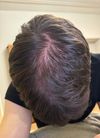
The user successfully overcame finasteride side effects by lowering the dosage and adding zinc and vitamin B6 supplements. They also micro-dosed dutasteride and resumed weight lifting.
The conversation discusses managing gynecomastia symptoms potentially caused by finasteride use, with treatments including reducing finasteride dosage, using DIM, ashwagandha, tamoxifen, epistane, and arimistane. Users share experiences and advice on balancing testosterone and estrogen levels to address symptoms.
A 23-year-old male experienced nipple sensitivity after starting finasteride for hair loss and stopped using it due to concerns about gynecomastia. He is worried about the risk of developing gynecomastia if he resumes finasteride, especially with plans to increase muscle mass.
Using high doses of testosterone with RU58841 to create an androgen-free environment for hair regrowth is suggested, but concerns about heart health and the effectiveness of this approach are raised. Alternatives like topical estrogen, progesterone, and other treatments like finasteride and dutasteride are discussed.
A person shared their hair regrowth journey using HIMS topical treatments with finasteride, minoxidil, hormone replacement therapy (HRT), and microneedling. They also discussed their transition as a transgender woman and the positive impact of HRT on hair recovery.
A 23-year-old is considering finasteride for hair loss but is concerned about worsening pre-existing mild gynecomastia. They plan to start with a low dose and monitor symptoms, seeking advice from others with similar experiences.
Low estrogen levels may reduce the risk of side effects from finasteride, such as gynecomastia. Some users plan to start with microneedling and minoxidil before trying finasteride, while others have experienced temporary side effects from topical finasteride but continued use without persistent issues.
A 19-year-old experiencing hair loss for two years is using Minoxidil and topical finasteride. They are seeking advice on the type of balding they have and the best treatment approach.
Using estrogen for hair regrowth is considered ineffective and risky, with potential side effects like breast growth and hormonal changes. Alternatives like finasteride, dutasteride, and minoxidil are suggested, but estrogen is not recommended unless transitioning.
The user is experiencing improvement in hair density using a topical lotion containing minoxidil, finasteride, ketoconazole, and other ingredients. They are hopeful for further progress in the coming months.
A 19-year-old experiencing hair loss for two years is using Minoxidil and considering starting Finasteride immediately. A user advises starting Finasteride quickly, as Minoxidil alone won't stop hair loss.
The conversation discusses hair loss treatment options, focusing on finasteride and its potential effects on gynecomastia. The user is considering finasteride while managing hormone levels with supplements like boron, vitamin D, zinc, magnesium, and P5P, and is advised to consult an endocrinologist for further evaluation.
Finasteride and dutasteride can cause psychiatric side effects like depression and suicidal thoughts in some users, especially those with a history of mental health issues. While some users experience positive hair growth results, others face severe psychological effects, raising concerns about their safety and the need for careful monitoring.
A 34-year-old man plans to reduce his finasteride dose from 1 mg to 0.5 mg due to negative side effects like hormonal imbalances and seeks advice on managing these effects and potential alternatives. Suggestions include considering dutasteride as an alternative and noting that a new equilibrium with a reduced dose may take about two weeks.
The user is considering a hair transplant and is using topical finasteride, minoxidil, antiandrogens, ketoconazole shampoo, and serenoa repens. They are deciding between surgeons Dogan Turan and Bruno Pinto, and are concerned about the technique and potential complications due to diffuse hair loss.
The user has been using a hair loss treatment regimen including RU58841, minoxidil, and dutasteride, but still experiences hairline recession and fatigue despite high testosterone levels. They are considering adjusting their dutasteride dosage due to concerns about libido and energy levels.
A 22-year-old male experienced significant hair regrowth and stopped shedding after using dutasteride and spironolactone for 3-4 months. Spironolactone is discussed as an antiandrogen, typically used for women or transitioning individuals, and not commonly recommended for men due to potential side effects.
An 18-year-old is experiencing significant hair loss and is considering starting finasteride treatment but is concerned about its effects on puberty and development. They previously tried finasteride but stopped due to side effects and are seeking advice on when it's safe to resume.
DIM is suggested to help with estrogen metabolism for those on finasteride or dutasteride, potentially reversing side effects like fat gain and mood changes. Some users doubt its effectiveness, recommending lifestyle changes or consulting a doctor instead.
A user plans to undergo a temporary MtF transformation to regrow hair, using estrogen, RU58841, and Dutasteride, then revert with testosterone. Many users criticize the plan, suggesting alternatives like hair transplants, and emphasize that estrogen is not a reliable solution for hair regrowth.
Crushing spironolactone pills and combining them with minoxidil for topical application may be effective for hair loss, with the addition of finasteride suggested. Adding rosemary and peppermint oils can help mask the unpleasant smell.
The user is experiencing chest sensitivity and muscle ache after using topical finasteride for a month and is concerned about potential gynecomastia. They are considering asking their doctor for blood work to check estrogen levels and are questioning whether to stop using finasteride.
The user has been on finasteride for 17 months and recently switched to dutasteride, sharing bloodwork results showing no side effects. They express a wish to have started treatment earlier to save their hair.
A 25-year-old male has been using finasteride for 17 months and recently switched to dutasteride. His bloodwork shows increased luteinizing hormone levels, possibly due to increased testosterone, with no side effects and improved libido.
A 25-year-old male experiencing diffuse thinning is advised to address high TSH levels and low iron, and consider treatments like finasteride. Weight loss and improved diet are also suggested to potentially help with hair health.
The user experienced increased shedding and an itchy scalp after switching from Ascend to Aurobindo finasteride. They are considering switching to dutasteride and are concerned about elevated estrogen levels and the effectiveness of adding minoxidil later.
The user experienced significant hair regrowth using topical minoxidil but faced issues with gynecomastia when using oral minoxidil and finasteride. They plan to have surgery for gynecomastia and consider using finasteride again, while questioning if minoxidil alone can maintain hair growth.
A user is experiencing side effects like less hard erections and sensitive nipples while on finasteride, with bloodwork showing high prolactin levels. They are seeking suggestions to address the prolactin issue.
The user experienced reduced hair fall with topical minoxidil and finasteride but no regrowth, and faced hormonal issues with oral finasteride. They are considering a hair transplant and exploring treatments like topical dutasteride, oral minoxidil, microneedling, and hair supplements.
An 18-year-old male with hair loss is considering starting finasteride but is concerned about potential side effects like gynecomastia due to his prolactin levels. He seeks guidance on whether his bloodwork indicates it's safe to begin treatment.