The conversation discusses using ecklonia cava as a natural alternative to finasteride for hair loss. Users share their experiences and opinions on its effectiveness.
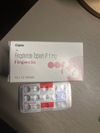
A 20-year-old is concerned about potential counterfeit finasteride purchased online and seeks advice from experienced users. They are worried about hair loss and want to maintain their hairline on a budget.
The conversation discusses the effectiveness and authenticity of RU58841 purchased from Amazon, with some users suggesting buying from reputable sources like Anagen Inc. Others recommend using oral finasteride instead of RU58841 due to concerns about product legitimacy.
RU58841's side effects may be exaggerated due to anxiety, with some users experiencing no issues and others reporting symptoms like chest pain. RU58841, minoxidil, and finasteride are used for hair loss treatment, with varying individual reactions.
The user has been taking oral Finasteride and topical Essengen 6 Plus for hair loss and is experiencing increased depression. They plan to get bloodwork to check hormone levels and are seeking advice on which tests to include.
The conversation discusses the pros and cons of buying a mixed topical bottle of minoxidil and finasteride versus separate products for hair loss treatment. Concerns are raised about the finasteride dosage and the inclusion of tretinoin in one of the products.
In Austria, finasteride prescriptions are restricted due to suicide risk concerns, with new prescriptions only for current users. Alternatives like topical finasteride, dutasteride, and online purchases face legal challenges.
FOL-005 claims to be more effective than Minoxidil and Finasteride but lacks anti-DHT properties, leading to potential reduced efficacy over time. Concerns are raised about misleading marketing and the safety of alternative treatments like Pyrilutamide and Clascoterone.
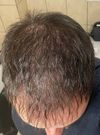
The user has been on finasteride for 8 years to treat hair loss and is experiencing obsessive thoughts about balding. They discuss the psychological impact of hair loss and the different ways people on hair loss forums cope, either by shaving their heads or seeking treatments.
The conversation is about identifying the cause of a burning red scalp from a topical hair loss formula. Retinoic acid and ethyl alcohol are suspected irritants, with retinoic acid being considered for removal.
The conversation discusses Pyrilutamide for hair loss, with skepticism about its legitimacy and mentions of an upcoming press release from Kintor. It also references ongoing trials and includes links for further information.
Abyssinian oil, argan oil, and Batana oil are being discussed for their potential effectiveness in hair growth. The conversation questions whether these oils are beneficial or a scam.
A user is considering trying Aevin hair creme, which contains ingredients like jojoba oil and saw palmetto, despite skepticism about its effectiveness compared to treatments like finasteride, minoxidil, or hair transplants. They are wary of the product's legitimacy due to the lack of reviews outside the brand's website.
Finasteride may have positive effects by keeping testosterone levels higher, potentially maintaining youthfulness and physical performance as one ages. It could also help with conditions related to aging like andropause and sarcopenia without increasing estradiol levels.
Users discussed experiences with Everychem's solution similar to PP405 for hair loss, noting some positive results like increased hair thickness and new growth. There was skepticism about the product's legitimacy and safety, with some users reporting early signs of effectiveness and others expressing concerns about the lack of evidence and safety profiles.
An 18-year-old woman experiencing hair loss due to stress, possible PCOS, and low vitamin D is concerned about starting 5% minoxidil foam, prescribed by her doctor, due to potential facial hair growth. She is also using a topical steroid for scalp sensitivity and pain.
A long-term finasteride user experienced side effects like sexual dysfunction, dry eyes, muscle weakness, and brain fog, which improved when they stopped the medication. They decided to stop finasteride again, questioning if maintaining hair was worth the negative impact on their well-being.
The conversation is about a finding that finasteride does not significantly increase the risk of sexual dysfunction, with users sharing mixed personal experiences regarding side effects.
The conversation discusses personal experiences with hair loss and highlights the potential impact of anemia and nutrient deficiencies on hair health. Treatments mentioned include changing shampoo/conditioner, taking MSM, collagen, hyaluronic acid, astaxanthin, B12, folate, and bovine blood capsules.
A 19-year-old is concerned about going bald and disagrees with their parents who suggest therapy, believing hair loss will negatively impact their life. Some suggest therapy can help with the emotional aspects, while others support using finasteride and focusing on what makes the individual happy.
GT20029 is discussed as a potential treatment for androgenetic hair loss by targeting androgen receptors, unlike finasteride which reduces DHT broadly. Concerns include its effectiveness, genetic variations in androgen receptors, and availability, with some skepticism about its potential as a true alternative.
The user is exploring alternatives to finasteride and dutasteride due to concerns about side effects, and is using rosemary and jojoba oil, ketoconazole, minoxidil, microneedling, multi-peptide serum, saw palmetto, and stinging nettle for hair loss. They are also considering CB 03 01 and spironolactone.
TDM-105795 showed better efficacy and safety in trials for hair loss, with a higher hair count improvement compared to GT20029 and HMI 115, but it's not as widely discussed. The user is questioning why this is the case.
Some users report eye issues like blurry vision and dry eyes while using finasteride or dutasteride, though others experience no changes. Concerns about myopia progression are discussed, but no clear link to these medications is established.
The user experienced severe side effects from finasteride, including hormonal imbalances and cognitive issues, leading to a recommendation to stop its use. They plan to follow up with tests to rule out a pituitary tumor and are considering topical treatments as alternatives.
Gut microbiota significantly influences androgen metabolism, impacting hair loss treatments like finasteride. Probiotics, dietary changes, and fecal microbiota transplants may help manage DHT levels and improve hair health.
The conversation discusses the challenges of maintaining a balding head, with some preferring to shave regularly and others choosing to embrace their hair loss. Specific treatments or concerns about hair transplants and societal perceptions of balding are also mentioned.
The conversation discusses androgenetic alopecia (AGA) and questions why treatments focus on lowering DHT levels instead of building resistance to it. It also touches on hair transplantation techniques using body hair.
There is an inconsistency between the molecular weight and formula listed on EveryChem's product page and the analytical PDFs for 3HP and PP30, suggesting a possible error in the product description. Concerns are raised about EveryChem's business practices and lack of transparency in testing and manufacturing.
The user is concerned about hair loss despite taking finasteride and has a hair transplant scheduled. They experience scalp itching and burning, which hasn't been relieved by various treatments, and another user suggests using ghk-cu & ahk-cu serum and Koshine kx-826/pyrilutamide for relief.