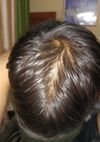
The user is considering a hair transplant and is using Kirkland 5% foam minoxidil, oral finasteride, oral minoxidil, and topical minoxidil 7% spray. They are concerned about the necessity and potential side effects of oral minoxidil before the transplant.
Significant hair regrowth was achieved using 1mg of finasteride daily, 3ml of topical minoxidil, ketoconazole shampoo, vitamin D, and castor oil, with no side effects. Results appeared after two months, leading to discussions on treatment effectiveness and commitment.
The user has been using topical minoxidil and oral finasteride for three months with visible hair thickening and no side effects. Another user mentioned experiencing watery semen and headaches with finasteride, and plans to add derma rolling and oils to their routine.
A 23-year-old woman is considering starting minoxidil for hair thinning but is concerned about its long-term use and effectiveness. Recommendations include consulting a doctor, checking ferritin levels, and considering treatments like spironolactone or finasteride, while minoxidil is suggested for regrowth but not as a primary treatment.
The user experienced significant hair regrowth in 2.5 months using a combination of minoxidil, finasteride serum, oral minoxidil 2.5 mg, vitamin E, and biotin. Other users praised the results and discussed the dosage of oral minoxidil.
Nanoxidil is considered by some as a substitute for Minoxidil, but users report it as ineffective and expensive. Finasteride is recommended as a more effective treatment, often used with Minoxidil, microneedling, and ketoconazole.
A 35-year-old shared progress in hair regrowth using finasteride 1mg and minoxidil foam, noting reduced hair fall and no side effects. They use Kirkland minoxidil from Costco nightly and finasteride from a dermatologist, with additional use of rosemary water for a cooling sensation.
Minoxidil foam and oral finasteride resulted in significant hair regrowth, especially on the hairline, with no side effects from finasteride. The user applied Rogaine 5% for minoxidil.
A 34-year-old male started using 5% minoxidil foam for hair loss and experienced shedding, which is a normal part of the process. He is considering adding finasteride to his regimen but is concerned about potential side effects, particularly sexual performance issues.
A physician experienced hair thickening and new growth using microneedling and minoxidil, but stopped using topical finasteride due to side effects like reduced libido and erectile dysfunction. The physician plans to continue with microneedling and minoxidil, considering finasteride nonessential for cosmetic purposes.
A 24-year-old male is using topical minoxidil and Nizoral shampoo to address a receding hairline, along with coconut and rosemary oils. Users discuss the effectiveness of minoxidil, emphasizing early treatment for better results.
A 20-year-old diffuse thinner has been using finasteride for 8 months and is considering adding minoxidil to their routine. A user suggests incorporating minoxidil for quicker regrowth, despite the hassle of daily application, while continuing finasteride.
The user is trying Hair + Me's 5% minoxidil and 0.1% finasteride topical, which has a different carrier and pleasant smell compared to traditional alcohol-based formulas. They are seeking feedback on its effectiveness compared to classic formulas.
The user is experiencing hair improvement in the central and back areas after using finasteride, minoxidil, and a galenic lotion, but the temple area is worsening. They suspect the lotion might be causing the issue and are considering stopping its use.
Redensyl is being discussed as a potential substitute for minoxidil for hair growth after a brand switched from minoxidil to redensyl. The user is inquiring about the effectiveness of redensyl compared to minoxidil.
A user shared their positive experience with a clinical trial for a new oral medication, VDPHL01, which is a reformulated version of oral minoxidil taken at a high dose of 17mg daily, showing significant hair regrowth after six months. The user noted that this formulation is believed to be more effective and time-released, with fewer side effects compared to regular oral minoxidil.
The user is using 1mg oral finasteride, 1.25mg oral minoxidil nightly, and ketoconazole shampoo weekly for hair loss, reporting no side effects. They self-prescribed after inconsistent use of topical minoxidil, using Lonitab from Intas pharmaceutical.
The user has been using minoxidil for four months and believes they see positive changes in hair thickness and coverage. Another user confirms the improvements and advises continued use for optimal results.
A 20-year-old is using oral and topical finasteride, topical minoxidil, ketoconazole shampoo, rosewater, Adgain tablets, creatine, and derma stamping to address hair loss. There is a debate about creatine's impact on hair loss, with some suggesting it increases DHT, while others disagree.
Switching from topical to oral minoxidil caused prolonged hair shedding without regrowth, leading to the use of both topical and oral minoxidil with oral finasteride. Responses to these treatments vary, emphasizing the need for personalized approaches.
A user noticed hair loss since age 16 and is now using minoxidil 5% twice daily, scalp massages, and a derma stamp weekly, along with Alpecin Caffeine Shampoo. They report seeing new hair growth and are happy with the progress.
The user started using topical minoxidil 5% and ketoconazole shampoo for hair loss, noticing minimal progress after three months, with fine hairs appearing. They experienced a setback when reducing the application to once a day but resumed twice daily applications.
This user discussed using oral minoxidil as a hair loss treatment, and was cautioned against mixing topical minoxidil with water and drinking it due to potential side effects and risks. Other users shared their concerns about the dangers of self-prescribing medications without consulting a doctor.
A female user experienced hair loss after Covid and used Minoxidil 5% but saw more hair loss over time. She also uses alfatradiol, topical MSM, and betamethasone sporadically, and is unsure if Minoxidil is beneficial.
A 36-year-old has been using 1mg oral finasteride daily and minoxidil foam twice daily for 18 months, experiencing significant hair regrowth with no side effects. Initial shedding occurred, but noticeable improvements began around 11 months, with major changes by 16 months.
Whether topical caffeine can be as effective for hair growth as minoxidil and finasteride, with various replies discussing the efficacy of these treatments and criticism of Dr. Huberman's research methods.
Oral minoxidil has greatly improved eyelash growth, prompting compliments and questions about mascara use. The user has been taking 2.5mg of oral minoxidil for three months and is also using finasteride.
The user experienced significant hair shedding initially but saw progress after 8 months using 1.25 mg of oral finasteride and minoxidil. They noticed increased hair growth on their eyelashes, eyebrows, and body, and considered increasing the dosage but decided to maintain the current regimen.
A 26-year-old male with grade 3 hair loss is using 2.5 mg oral minoxidil, 1 mg finasteride, 5% minoxidil, ketoconazole shampoo, and kLM d3. He plans to post progress pictures every 6 weeks and is seeking suggestions.