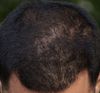
The user is experiencing irritation from using PG with RU58841 and is seeking alternative solutions like K&B in the UK. They report redness, itchiness, and flaky skin from the current treatment.
The user is experiencing a strange hair loss pattern despite using dutasteride for 3 years and minoxidil with tretinoin for 1.5 years. They recently added microneedling and are considering a scalp biopsy to understand the cause.
User tried various hair loss treatments with limited success. RU58841 was effective but caused side effects, now trying Eucapil and continuing Finasteride.
Certain oils and treatments used for natural breast enhancement, like fenugreek oil and shatavari, may also help with androgenetic alopecia due to their estrogen link. The discussion suggests these items might pause hair loss.
Finasteride may have positive effects by keeping testosterone levels higher, potentially maintaining youthfulness and physical performance as one ages. It could also help with conditions related to aging like andropause and sarcopenia without increasing estradiol levels.
The user suspects scarring alopecia and is exploring NSAIDs and turmeric/pepper for inflammation-related hair loss, having experienced burning and thinning with finasteride and testosterone reduction. They are seeking feedback while unable to afford a dermatologist.
A user plans to undergo a temporary MtF transformation to regrow hair, using estrogen, RU58841, and Dutasteride, then revert with testosterone. Many users criticize the plan, suggesting alternatives like hair transplants, and emphasize that estrogen is not a reliable solution for hair regrowth.
User experienced hair kinking after starting minoxidil, despite being on finasteride for two years. Another user confirmed similar issues and suggested switching brands due to propylene glycol in minoxidil.
The conversation discusses the potential market release of a hair loss treatment called GT20029 by Anageninc, with users expressing interest and discussing the importance of safety and effectiveness. Some users plan to contact Anageninc to show demand for the product.
Poor gut health may contribute to hair loss and scalp inflammation, with treatments like finasteride, minoxidil, and Nizoral being used. Improving gut health and addressing inflammation might help alleviate symptoms.
Stress can lead to hair loss by affecting hair-follicle stem cells, and this loss is harder to recover from if one has male pattern baldness (MPB). Treatments like finasteride and minoxidil are used to address hair loss, but stress-related hair loss differs from androgenic alopecia.
The conversation discusses microneedling techniques and the use of Minoxidil, copper peptides, EGF, FGF, ceramides, and hydration serums to enhance hair growth. It explores optimizing scalp conditions and the potential benefits of various compounds in conjunction with microneedling.
Adding exosomes to a treatment of dutasteride and minoxidil for hair loss increased hair count by 55% at 6 months and 46% at 1 year compared to the control group. The control group did not receive exosomes or PRP.
The user is managing hair loss with oral finasteride, recently switching to dutasteride, and topical minoxidil, but faces challenges due to seborrheic dermatitis. They seek advice on effective regrowth methods that don't worsen their condition, with suggestions including various shampoos like Vichy Dercos and ketoconazole.
A user with diffuse hair loss for a decade tried various treatments, including LLLT Helmet, supplements, topicals, and hair transplants. They found relief from scalp inflammation and itching using a topical solution made from crushed Xeljanz pills mixed with ethyl alcohol.
The conversation discusses using USB microscopes for scalp photos and provides a link to an overview of trichoscopy. Treatments mentioned include Minoxidil, finasteride, and RU58841.
The conversation discusses creating a topical catalase solution with phosphate buffered saline, glycerin, and polysorbate 20 for hair loss treatment. The user seeks advice on preparing this solution.
Clascoterone's full trial results are expected by mid-July 2026, but skepticism exists about timely release. Clascoterone is available at 5% from some telehealth companies.
Plant-based exosomes for hair loss lack scientific evidence and are considered high-risk with low evidence. Combining PRF with minoxidil and finasteride is suggested as a better option.
The conversation discusses hair thinning and treatments like finasteride, dutasteride, oral and topical minoxidil, and RU58841. Users share experiences with retrograde alopecia, hair transplants, and stress-related hair loss, while also considering thyroid issues and other potential causes.
Treatment options for female alopecia androgenetica, discussing the availability of spironolactone online in The Netherlands and other potential treatments like finasteride, minoxidil and RU58841.
The conversation discusses the safety, tolerability, and efficacy of oral Setipiprant tablets for treating androgenetic alopecia compared to finasteride. It mentions the high cost of Setipiprant on the black market and the trial's end date in September 2017.
The user does not respond well to minoxidil and is seeking an alternative to Tretinoin to upregulate sulfurtransferase activity for hair loss treatment. No specific alternative treatments were mentioned.
A user who didn't respond well to minoxidil and finasteride is considering the role of IGF-1 in hair loss treatment effectiveness. They discuss the potential of using HGH to improve hair growth and other health issues, referencing several sources that suggest IGF-1 levels may influence hair loss and treatment response.
A human trial of verteporfin, a drug that can inhibit wound healing by scarring and promote regeneration of original tissue and hair follicles to provide an unlimited source for hair transplants; people discussed the potential of this drug and how it could be rolled out in mainstream with more doctors getting on board.
Improving hair health involves not only using treatments like finasteride, minoxidil, and ketoconazole but also focusing on a healthy lifestyle, including diet, exercise, and stress management. A balanced approach enhances treatment effectiveness and overall well-being.
The conversation discusses a topical finasteride therapy with hydrocortisone butyrate, estrone base, and breviline. A user suggests oral finasteride as a superior option.
A 28-year-old male with a family history of baldness is deciding whether to start finasteride now or wait for visible hair changes. He is considering starting finasteride immediately to proactively address potential hair loss.
A 26-year-old man who had a hair transplant and used minoxidil with good results is now experiencing shedding and considering finasteride. He's concerned about high progesterone and mild erectile dysfunction before starting the treatment.