Search
for
Sort by
Community Join
30 / 1000+ resultscommunity Do the more newer gen topical retinoids e.g. tazarotene outperform tretinoin in inducing follicular sulfotransferase activity?
community concentration of my finasteride therapy
The conversation discusses a topical finasteride therapy with hydrocortisone butyrate, estrone base, and breviline. A user suggests oral finasteride as a superior option.
community Dutasteride or treatment and TRT/PEDs
community People that had night and day difference from just Fin/Dut+Min to Fin/Dut+Min+Tret, what prompted you to add Tretinoin?
Adding tretinoin can enhance the effectiveness of minoxidil by increasing sulfotransferase levels, making it beneficial for hair growth. However, it may not be necessary if using oral minoxidil.
community Trestolone (MENT) as a nuclear treatment
Experimenting with trestolone as a treatment for hair loss in an attempt to avoid DHT-related treatments such as finasteride and dutasteride, and discussing the potential effects of its receptor selectivity on the androgen receptors in the scalp.
community 3 months progression not sure if I should pursue tretinoin
The user has been using finasteride, minoxidil, and a derma stamp for hair loss for nearly three months and is considering adding tretinoin. They are advised to be patient, as results typically take 6-12 months, and are exploring other options like oral minoxidil and dutasteride.
community Tretinoin to counter-act Minoxidil's skin effects?
community Tretinoin .. beneficial or hindrance?
Tretinoin combined with minoxidil may improve hair regrowth, especially in difficult areas like temples, but requires diligent scalp cleaning. Some users suggest oral minoxidil as a more potent and less irritating alternative.
community Has anyone tried tretinoin with seb derm and had any flare-ups as a result?
Tretinoin can irritate seborrheic dermatitis, but using it with a moisturizer on calm skin may help. Parallel Health's skin microbiome testing and phage therapy are suggested for persistent issues.
community Tretinoin after 2 years on fin?
The conversation is about using tretinoin to enhance the effects of minoxidil for hair loss, with suggestions to switch from finasteride to dutasteride or use RU58841 for better results. Concerns about tretinoin causing dry scalp and its potential impact on hair loss progression are also discussed.
community 3 years of treatment Dut, topical Min, 1 year of RU
community Tretinoin 0.025% cream vs gel ?
The conversation discusses the difficulty of applying tretinoin 0.025% cream on the scalp and considers switching to a gel for easier application. It also mentions that a liquid solution, ideally combined with minoxidil, may be more effective for hair treatment.
community How to Add Tretinoin to 2 in 1 combo ?
A user wants to add tretinoin to their nightly minoxidil and finasteride combo to increase effectiveness. They seek advice on how to mix tretinoin with the existing treatment.
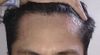
community M31. Should i continue with min + tretinoin or i should go for a HT on the temples?
The user is using dutasteride, oral minoxidil, and topical minoxidil with tretinoin for hair loss. They are considering whether to continue this treatment or opt for a hair transplant for their temples.
community 3 Months Later…. after adding Dutasteride, Ru55841, Stemoxydine, Tretinoin 0.05%
A user's progress with treating their hair loss, which consists of using Dutasteride, RU58841, Stemoxydine and Tretinoin 0.05% over the past three months.
community Anyone try a combo therapy of everything except fin? Minox + Tret + microneedling + caffeine, etc
The user experienced severe side effects from finasteride and is considering a combination therapy including Minoxidil, Tretinoin, microneedling, caffeine, and other ingredients. They are also thinking about adding red light therapy and microneedling once per week.
community Tretinoin in Androgenic Alopecia
The conversation discusses using Tretinoin for treating androgenic alopecia. Specific treatments mentioned include Minoxidil, Finasteride, and RU58841.
community Tretinoin for better Minoxidil response
The conversation is about using tretinoin to improve the response to Minoxidil for hair loss treatment. No specific protocol for tretinoin application is provided.
community Tretinoin Plus Topical Finasteride/Minoxidil
The conversation is about using tretinoin with a topical finasteride/minoxidil spray for hair loss. The user seeks information on combining tretinoin with their current treatment.
community Tretinoin + minoxidil and red-light?
The user has been using minoxidil for over a year with little success, added tretinoin cream, and is considering adding red light therapy. They are advised to use moisturizer to counteract skin sensitivity from tretinoin.
community Added Tretinoin to my my routine and am shedding like crazy.
The user has been using finasteride and minoxidil for almost 2 years with maintenance but no significant regrowth. After adding tretinoin 2 weeks ago, they experienced increased shedding and are seeking advice on whether this is a positive sign.
community Which retinoid for better min absorption?
User is on vacation in Greece and wants to buy tretinoin or isotretinoin to improve Minoxidil absorption. They are considering isotretinoin since it is available over-the-counter in Greece but requires a prescription back home.
community What is the consensus on topical tretinoin mono therapy?
The conversation discusses the effectiveness of topical tretinoin as a monotherapy for hair loss, with users suggesting it may not be as effective as minoxidil or finasteride. The original poster is considering other options like a phenol peel and is concerned about the risks of derma rolling.
community Tretinoin Gel + Minox procedure or tips for a minox low responder
A user has been using minoxidil without noticing improvements and is considering adding tretinoin gel to their regimen before trying RU58841. They seek advice on how to mix and apply tretinoin with minoxidil, including concentration and application frequency.
community Tretinoin can make it worse!!!
Tretinoin may enhance minoxidil's effectiveness for those not responding to minoxidil alone, but it could reduce efficacy for some who are already responding to minoxidil. Tretinoin requires careful use, including skin moisturizing and sun protection due to increased sensitivity.
community Started 2.5 mg oral min 3 months ago (3+ years on oral fin/ topical min) & was just prescribed .025% tretinoin cream
The user has been using oral finasteride and topical minoxidil for years and recently started 2.5 mg oral minoxidil, with no significant regrowth observed yet. They are considering adding tretinoin cream to their regimen but are concerned about potential shedding.
community The Return Of The Temples: 27M/ 4 years Finasteride 0.5 // Last 3 months: 3ml solution of 8mg/ml RU58841 dissolved in 40% minox & 60% Alfatradiol + Tretinoin on temples & occasional Ketoconazole use. Thoughts?
A 27-year-old man shared his hair regrowth progress after using finasteride for 4 years, recently adding a solution of RU58841 with minoxidil and alfatradiol, tretinoin on temples, and occasional ketoconazole. He is seeking opinions on his treatment approach.
community I'm thinking of incorporating tretinoin into my regimen after almost 4.5 years of being on min and 1 mg fin
The conversation is about incorporating tretinoin into a hair loss regimen after using minoxidil and finasteride for years, with discussions on the effectiveness of minoxidil and the potential benefits of adding tretinoin. Users also discuss the effectiveness of oral minoxidil and other topical treatments like diclofenac and fluocinolone.