Hair systems are effective for hair loss, offering benefits over treatments like finasteride. Personal choice and confidence in appearance are emphasized.
The conversation discusses how Caucasian men are more likely to experience hair loss due to genetic predisposition, with factors like the androgen receptor on the X chromosome playing a significant role. The user also expresses confusion about the evolutionary reasons for hair loss, especially in colder climates where it would seem beneficial to retain hair for warmth.
Many would trade beard growth for a full head of hair, using treatments like minoxidil and finasteride. Some prefer beards or have experienced side effects, leading to mixed opinions.
A person dealing with hair loss is considering shaving their head, using scalp micropigmentation to cover a FUT scar, or trying a hair system. They are also contemplating treatments like minoxidil, finasteride, and dutasteride.
The user has been using 15% minoxidil, rosemary oil, peppermint oil, and bi estro cream for hair loss and is noticing baby hairs but is unsure if this is new hair growth or just existing hair getting longer.
A 31-year-old male experienced hair shedding after rapid weight loss and stopping vitamins, despite using minoxidil and other supplements. He is considering Saw Palmetto and Pumpkin Seed Oil instead of finasteride due to trying for kids, and is concerned about high ferritin and DHEAS levels.
The conversation discusses coping with hair loss and the emotional impact of balding, with some users finding peace in shaving their heads. Treatments mentioned include minoxidil, finasteride, and lifestyle changes like diet and exercise.
An 18-year-old shaved his head due to hair loss and feels relieved, despite using Minoxidil and Finasteride without success. Many suggest seeing a dermatologist as the hair loss pattern doesn't resemble typical male pattern baldness, and some recommend trying Ketoconazole.
People are sharing their experiences of keeping a hidden folder on their phones with photos documenting their hair loss. Some users discuss the emotional impact, while one mentions using dutasteride and oral minoxidil without noticeable change.
A user with long-term hair loss has been using topical minoxidil, finasteride, RU58841, ketoconazole, and dermastamping for 8 months. They are unsure if the new hairs are miniaturized or vellus.
A 34-year-old male documents his hair growth journey using the iRestore Elite laser cap, biotin, and Pure Synergy Organic Superfood Capsules, after unsuccessful hair transplant and previous treatments with minoxidil and finasteride. Replies suggest using finasteride or dutasteride instead and caution against excessive use of the laser cap.
User noticed beard and sideburn hair loss, and thinning eyebrows, diagnosed with alopecia barbae and male pattern baldness, and prescribed Desonide cream. User seeks feedback on Desonide cream.
Hair oils can cause severe allergic reactions, as seen in Jermel Brown's case, leading to significant health issues and legal action for damages. Users discussed concerns about various hair oils, including Mielle and Kiehl's, with some experiencing hair loss and others using treatments like Minoxidil and Finasteride to address damage.
A 25-year-old is frustrated with hair loss and inability to grow facial hair despite using oral finasteride and minoxidil for over a year. Suggestions include trying topical treatments, considering a hair system, or seeking professional help for mental health.
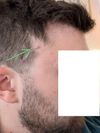
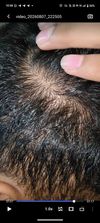
The conversation discusses a small patch of missing hair and whether treatments like Minoxidil, finasteride, or RU58841 could help. The user is seeking advice on addressing this specific hair issue.
Minoxidil can cause hair growth in unintended areas, leading to humorous situations. The conversation jokes about hair growing on legs instead of the head.
A user plans to experiment with creating new hair follicles using methods like derma rolling, applying lithium chloride, tannic acid, and various other substances including caffeine, ketoconazole, and raspberry ketones. They also consider using anti-inflammatories, immunosuppressants, and DHT inhibitors to potentially improve results.
The conversation discusses hair shedding while using finasteride and topical minoxidil, with users sharing their experiences of losing 30-100 hairs daily in the shower. One user considers switching to dutasteride due to consistent shedding.
A 20-year-old is experiencing heavy hair loss and suspects retrograde alopecia, seeking advice for treatment. Suggested treatments include Minoxidil, finasteride, and RU58841.
Hair loss treatments discussed include finasteride, minoxidil, spironolactone, and estradiol, with concerns about side effects like sexual dysfunction and feminization. Some users prefer hair transplants or shaving over medication due to potential side effects.
The user is frustrated with hair loss despite using finasteride and is considering a hairpiece as a solution. Suggestions include trying a buzz cut, considering dutasteride or oral minoxidil, and addressing potential dietary issues.
A user shared progress pictures 1.5 months after a hair transplant of 3500 grafts, using oral finasteride, topical finasteride, minoxidil, and vitamins. They are concerned about potential shock loss and the thinning appearance.
Switching from spironolactone to bicalutamide caused severe hair shedding, despite using treatments like dutasteride, minoxidil, and estradiol injections. The user is experiencing androgenetic alopecia and is seeking solutions to stop the hair loss.
A user is using 2.5 mg minoxidil for beard growth and considering increasing the dose to 5 mg for more body hair gains, despite experiencing a bald spot on the scalp. Another user questions the desire for more body hair, suggesting it's not appealing.
The conversation is a satirical expression of frustration over hair loss, mentioning treatments like spironolactone, microneedling, and topical applications, with references to various hair loss products and personalities in the community.
Hair loss without a white bulb may indicate mechanical damage, anagen effluvium, alopecia areata, or traction alopecia. Seeking a specialist is recommended, but access can be difficult in smaller areas.