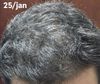
Hairloss treatments include Finasteride, Minoxidil, Ketoconazole shampoo, and Microneedling. Additional options are Dutasteride, oral Minoxidil, and hair transplants.
A 21-year-old is worried about hairloss despite taking 0.5mg finasteride every other day for 7 months. Users suggest continuing treatment, considering a hair transplant, and possibly adding minoxidil.
A user on dutasteride for hairloss noticed hair regrowth on their head but a significant reduction in body hair growth. They plan to switch to finasteride and dutasteride and are considering testosterone replacement therapy but are concerned about its effects on hair growth.
Hairloss is less common now due to accessible treatments like finasteride, minoxidil, and hair transplants. Improved hair care, skincare, and lifestyle changes contribute to people looking younger today.
Hairloss is emotionally challenging, but acceptance and focusing on other life aspects are important. Treatments like finasteride, minoxidil, and RU58841 are discussed, with emphasis on the emotional impact over physical changes.
Hairloss treatments include using finasteride, dutasteride, and RU58841. Lifestyle changes like increasing carb intake and moderate alcohol consumption are suggested to boost estrogen levels.
The user experienced worsening hairloss after switching treatments and is now using generic minoxidil and finasteride. They are considering continuing finasteride, trying dutasteride, or combining treatments like mesotherapy for better results.
Skepticism about hairloss research motivations, suggesting financial interests hinder finding a cure. Mentions treatments like minoxidil, finasteride, and dutasteride, but notes they are not cures.
Topical treatments like minoxidil and finasteride are preferred for hairloss due to ease of use and natural appearance. Hair systems are considered high-maintenance and less genuine.
To minimize hairloss while using steroids, use finasteride or dutasteride and apply topical anti-androgens like RU58841. Avoid high doses of hair-toxic steroids; prefer testosterone, nandrolone, and boldenone.
User experienced significant hairloss after adding dutasteride to their finasteride and minoxidil regimen. They plan to revert to finasteride only due to lack of improvement.
The conversation discusses the lack of significant advancements in hairloss treatments beyond finasteride and minoxidil, questioning if hair restoration technology has reached a dead end. Hair transplant technology has improved, but new medications face challenges with market entry, cost, accessibility, and long-term effectiveness.
Hairloss discussion mentions using Minoxidil, Finasteride, and RU58841. Users compare subscription services for hair treatments to other daily necessities and discuss cheaper alternatives.
Hairloss treatments, specifically finasteride and minoxidil, being used by wealthy individuals to combat their genetic predisposition to baldness. It also discussed other potential treatments such as RU58841 and dutasteride.
User discusses hairloss and new haircut embracing temple recession. Others compliment the look and share similar experiences, suggesting confidence and trust in hairstylists.
Hairloss therapies focusing on hair follicle sugar metabolism and aldose reductase. Potential treatments include magnesium supplements, avoiding high glycemic index foods, and antioxidants.
Hairloss treatments like finasteride, minoxidil, and hair transplants have side effects and limitations. There is hope for future advancements in stem cell therapy and hair follicle regeneration, though skepticism about their effectiveness and timeline persists.
Hairloss treatments discussed include Propecia, Rogaine, Nizoral shampoo, and dermarolling. Users shared experiences and results, with some noticing improvements in hair growth and maintenance.
A 22-year-old male has been experiencing widespread hairloss for over four years, including pain and significant shedding. Treatments tried include ketoconazole shampoo, fluocinonide topical solution, biotin, ACV, and dry shampoo, but none have been effective.
Quitting vaping significantly reduced hairloss for a user who was a heavy vaper and also taking finasteride. Some participants suggest nicotine's vasoconstrictive properties may worsen hairloss, while others share personal anecdotes of hair improvement after quitting smoking or vaping.
An 18-year-old with early hairloss is advised to consider minoxidil and finasteride, with a doctor's consultation recommended. Alternatives like a hair system or shaving are suggested due to potential medication side effects and lifelong commitment.
Hair growth serums, specifically those with minoxidil and finasteride, are discussed as potential treatments for hairloss. The effectiveness of these serums is questioned, with a focus on whether they promote regrowth or merely prevent further loss.
A user is worried about hairloss despite using finasteride, oral minoxidil, and keto shampoo for two years and is considering switching to dutasteride. Responses suggest patience, lifestyle changes, or trying additional treatments like microneedling.
The user is considering adding Stemoxydine to their hairloss regimen, as they already use topical finasteride with rosemary and cannot use Minoxidil. They are seeking feedback on Stemoxydine and Alphatradiol, and another user mentions 2-deoxy-d-ribose as a potential option.
Bryan Johnson uses a custom hairloss treatment that includes topical finasteride, minoxidil, azelaic acid, diclofenac, tea tree oil, rosemary oil, ginkgo biloba, biotin, and melatonin, which have shown varying degrees of effectiveness with minimal side effects. He also undergoes PRP and laser therapy, and has tried dutasteride mesotherapy.
After suffering from hairloss and Seborrheic Dermatitis for three years with no improvement from various treatments, the individual found success with COQ10 and PQQ supplements, which led to new hair growth and a healthy scalp without flare-ups. They also plan to start additional supplements recommended by a dermatologist.
A user's experience with hairloss and their successful hair transplant using finasteride to halt the loss for seven years, as well as other treatments such as Dut and RU58841 being discussed.
Hair systems are effective for hairloss, offering benefits over treatments like finasteride. Personal choice and confidence in appearance are emphasized.
A 25-year-old is experiencing mild hairloss and is using a regimen including scalp brushing, dermarolling, topical minoxidil, caffeine, melatonin, and a DHT-blocking shampoo. Another person shares their struggle with hairloss due to drug use and plans to start finasteride while trying to quit drugs.