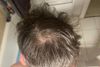
The user underwent a second hair transplant for the crown and mid-scalp, achieving good density. They are using minoxidil, finasteride, and biotin, and considering PRP treatments to enhance growth.
Avoid clinics that push for more grafts than necessary, as it can lead to unnecessary costs and damage to the donor area. Trust reputable clinics and be cautious of those using celebrity endorsements or offering suspiciously low prices.
The conversation discusses a patent filed by Shiseido for cloning Dermal Papilla (DP) cells to treat hair loss. The method involves using viral vectors to maintain the cells' growth-inducing properties, differing from Replicel's approach with Dermal Sheath Cup (DSC) cells.
Microneedling on the vertex may require trimming hair to ensure needles reach the scalp effectively. Using a needle length of 1.0–1.5 mm is suggested, and longer hair might get damaged if not cut.
A user is considering exosome therapy from Springs Rejuvenation for hair loss after unsuccessful attempts with PRP, adipose injections, and a laser cap. They are intrigued by the therapy's potential and the clinic's guarantee of 30% improved coverage, despite concerns about FDA approval and high-pressure sales tactics.
A satirical discussion about a hair transplant, with humorous comments on graft placement and clinic choice. The conversation includes references to a "Rebuild a Scalp Clinic" and jokes about using pubic hair and overharvesting.
A 15-year-old experiencing severe diffuse thinning plans to use minoxidil, dermarolling, and possibly ketoconazole, with hopes to later incorporate finasteride. Concerns about starting finasteride too young and the need for a dermatologist consultation are discussed.
Clascoterone cream can be used on the scalp, but it may not be effective due to its dosage. AR antagonists like clascoterone are generally less effective than 5AR inhibitors for hair loss.
The user is pleased with their hair transplant results but is concerned about the vertex area. They use Minoxidil and finasteride daily and had the procedure at a clinic in Athens.
The conversation discusses using scalp antiandrogens like RU58841, pyrilutamide, or fluridil on the face to reduce sebum production, noting that clascoterone (winlevi) is an approved facial antiandrogen with underwhelming reviews.
The user experienced side effects from oral finasteride and switched to a DIY topical solution, then to Essegen F. They noticed increased hair shedding with the topical finasteride and are concerned about its normalcy and duration.
A 22-year-old is frustrated with ongoing hair loss despite using treatments like topical minoxidil, finasteride, microneedling, oral dutasteride, and oral minoxidil. Their dermatologist suggests treating scalp inflammation with oral tretinoin and using exosomes for alopecia.
The conversation is about a new acne treatment cream called Clascoterone Cream 1%, which is the first new mechanism of action for acne in nearly 40 years. One person joked about hoping their face will be as clean as their bald head after using the cream.
Ibrox1972 shared an 8.5-month update on their 2,689-graft hair transplant by Dr. Raghu Reddy in London, along with using oral finasteride, oral minoxidil, and microneedling. Users praised the natural-looking results and discussed the importance of choosing a skilled doctor.
The user completed a Clascoterone study with no observable changes in hair loss and plans to try microneedling and Minoxidil next. They will microneedle weekly and apply Minoxidil twice daily, except on the night of microneedling, and compare results after six months.
The conversation discusses using hair follicle dermal papilla exosomes for hair loss treatment. It inquires about purchasing options for this treatment.
AH-001 is a new topical treatment designed to degrade androgen receptors, targeting the root cause of androgenetic alopecia without the side effects of oral treatments like finasteride. It has shown a strong safety profile and good local tolerability in early trials.
The user received 1600 hair grafts but is dissatisfied and plans a second transplant for better coverage. They use minoxidil and finasteride and are considering adding dutasteride.
Quitting minoxidil can lead to significant hair loss, even in areas that were not thinning before, as hair becomes reliant on the treatment. Some users also report losing hair gains when stopping minoxidil despite taking finasteride.
Topical roflumilast is effective for reducing inflammation in various scalp conditions like seborrheic dermatitis, psoriasis, and eczema, but not proven to stop scarring alopecia. Alternatives like apremilast and Vtama are also discussed for their anti-inflammatory benefits.
A person dealing with hair loss is considering shaving their head, using scalp micropigmentation to cover a FUT scar, or trying a hair system. They are also contemplating treatments like minoxidil, finasteride, and dutasteride.
LazyJam shaved their head after not seeing significant results from using finasteride and microneedling for hair loss, feeling more self-acceptance and saving money. Others in the conversation discuss their own reasons for continuing hair loss treatments, such as personal appearance, self-esteem, and not wanting to shave regularly.
Topical Metformin shows potential for regenerating hair follicles and minimizing scarring in hair transplant donor areas, similar to Verteporfin but without its side effects. The discussion suggests considering Metformin for post-hair transplant care, though more human trials are needed.
The conversation is about finding a pure high molecular weight hyaluronic acid for the scalp after microneedling. A user suggests using a product from The Ordinary.
The user shaved their head and noticed some hair regrowth and thickening due to Minoxidil and finasteride. They are content with their hair loss and have accepted it, while also observing that others don't notice the thinning as much as they do.
The conversation discusses biannual SCUBE3 injections and microneedling as treatments for hair loss. Specific treatments mentioned include Minoxidil, Finasteride, and RU58841.
The post and conversation are about hair transplant tips and experiences. The user emphasizes thorough planning, essential packing, and post-surgery care, and regrets not using finasteride earlier.
Scalp micropigmentation (SMP) is a viable option for those experiencing hair loss, providing a natural look similar to a buzzcut. It requires touch-ups every 3-5 years, and using products like zero shine can help manage appearance issues in different lighting.