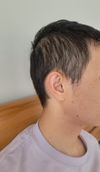
The user underwent a second hair transplant for the crown and mid-scalp, achieving good density. They are using minoxidil, finasteride, and biotin, and considering PRP treatments to enhance growth.
The user is struggling with seborrheic dermatitis and plans to try ciclopirox olamine after finding ketoconazole too drying. They are also using finasteride daily.
A 24-year-old with thinning hair and receding sides is considering using Minoxidil and finasteride to improve hair thickness. They are seeking general expectations for these treatments, acknowledging individual results may vary.
The user experienced significant hair loss on the scalp, eyebrows, eyelashes, and pubic area, along with itchy, flaky skin and red patches. They have a history of eczema and dermatitis and suspect that stopping shampoo use and taking Ritalin may have contributed to the issue.
User experienced hair loss after weight lifting, had a successful hair transplant, but later faced significant thinning. Current treatment includes finasteride, minoxidil, dermal rolling, and supplements.
The conversation discusses choosing between titanium fixed needles and a pen with disposable needles for hair loss treatment at a 1.5mm depth. The preference is for disposable needles for better sanitization.
A 25-year-old with AGA experienced hair thinning and dandruff, stabilized with topical finasteride and minoxidil but saw minimal regrowth. They seek advice on styling and consider oral minoxidil and microneedling for denser hair.
A user who had a hair transplant in Turkey and shared their experience, as well as tips for those considering the same procedure. Other users then discussed their experiences with similar clinics, and offered advice on how to find reputable surgeons and avoid scams.
Ibrox1972 shared an 8.5-month update on their 2,689-graft hair transplant by Dr. Raghu Reddy in London, along with using oral finasteride, oral minoxidil, and microneedling. Users praised the natural-looking results and discussed the importance of choosing a skilled doctor.
Microneedling for hair loss involves sterilizing tools and possibly using serums like minoxidil or hyaluronic acid. Users report different routines, including applying minoxidil immediately after microneedling, using finasteride, and washing with ketoconazole shampoo.
The conversation is about a user's progress in treating diffuse hair thinning using a topical regimen including finasteride, minoxidil, ketoconazole, microneedling, saw palmetto, collagen, and vitamins, along with lifestyle changes. The user plans to switch from topical to oral finasteride for potentially better results.
The user is experiencing irritation from using PG with RU58841 and is seeking alternative solutions like K&B in the UK. They report redness, itchiness, and flaky skin from the current treatment.
A user traveled to Turkey for a 5000-graft FUE hair transplant at ASMED Clinic with Dr. Koray Erdogan. They used finasteride before and after the surgery and shared detailed experiences, costs, and recovery tips.
The conversation is about a user's hair loss treatment regimen, which includes Dutasteride, oral Minoxidil, topical Dutasteride, Minoxidil sulfate, antioxidants, and various supplements. The user is also using a derma stamp and has paused Tretinoin due to a TCA peel recovery.
Using dermaneedling or dermapen for hair loss while managing seborrheic dermatitis and dandruff. Treatments mentioned include ketoconazole, peppermint and jojoba oil, and rubbing alcohol.
A user is experiencing hair loss at NW 5 and is using finasteride, which is causing side effects like dry eyes and loss of libido. They are considering continuing with minoxidil and finasteride or opting for a hair transplant, feeling depressed about their situation.
In this conversation, 4990 discussed various treatments for hair loss, including oral minoxidil, PRP, transplan, Jak inhibitors, Dutasteride, Finasteride, Olumiant, Ketoconazole, RU58841, microneedling, baricitinib, and CCCA. They recommended scalp biopsies in unclear cases of DUPA, twice weekly to twice daily shampooing for topical minoxidil users, and two sessions spaced one month apart with follow up at month three to determine the effectiveness of PRP treatment.
The user is using minoxidil, finasteride, dermarolling, and other treatments for hair regrowth, showing promising results in the temple area. Despite some skepticism, there is optimism about potential improvement.
Taking a break from topical treatments like oils, serums, and minoxidil once a week may help the scalp recover, though opinions vary on its effectiveness. Some users skip treatments occasionally, believing it benefits scalp health without reducing effectiveness.
A 26-year-old is experiencing unexpected hair shedding on the scalp, eyebrows, eyelashes, and body, along with greasy skin, and has decided to see a doctor. They are seeking advice and support.
A user was prescribed Alpicort E, which contains Estradiol Benzoate, Prednisone, and Salicylic Acid, for hair loss and is seeking others' experiences due to concerns about potential side effects.
The user is experiencing excessive hair thinning and is unsure of the cause. They are seeking opinions on treatments like Minoxidil, finasteride, and RU58841.
Hair restoration after FUE surgery, with discussions on using finasteride, dutasteride, and oral minoxidil for hair maintenance and growth. Users share experiences with these treatments, noting varying side effects and effectiveness.
Minoxidil can cause scalp dryness and flaking, leading to hair shedding when exfoliating. Alternatives like oral Minoxidil, finasteride, and ketoconazole shampoo are suggested to manage these issues.
A female user's experience with topical and oral finasteride for hair loss, which has been successful as evidenced by the reduction of miniaturized hairs. Replies to the post discussed the recommended dosage for females versus males.
The conversation discusses hair loss treatments, specifically the use of dutasteride, finasteride, and other methods like PRP, laser, and mesotherapy. Despite these treatments, the user is experiencing hair loss, and others suggest consulting a dermatologist, considering alternative treatments, and addressing potential scalp inflammation.
A video suggests 0.6mm microneedling is more effective for hair regrowth than 1.2mm, as it causes less trauma to stem cells. People commonly believe 1.5mm is best, but this may vary based on individual factors.