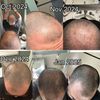
The daily regimen includes oral finasteride, topical minoxidil, and witch hazel toner to reduce itchiness. Witch hazel is noted for its hydrating properties and affordability.
The user stopped oral treatments due to side effects and switched to a regimen of topical minoxidil, tretinoin, azelaic acid, and dermaneedling, with recent addition of topical finasteride. They are questioning the long-term effectiveness of non-hormonal methods and considering hair transplantation.
User "logart89" claims DUT 3 times a week is better than daily FIN for hair loss. Their routine includes DUT, topical DUT, stemoxydine and alfatradiol mix, 5% minoxidil with tretinoin, and weekly derma stamping.
A 35-year-old transitioning female (MtF) shared her hair regrowth journey using Minoxidil, Dutasteride, Microneedling, and Exosomes, starting from a bald state. Commenters discussed the impressive results, skin care routine, and the effects of estrogen on hair and skin.
A user shared their positive experience with a 4-in-1 topical solution containing finasteride, minoxidil, ketoconazole, and biotin, along with weekly microneedling using a 1.2mm dermastamp. The user reported no noticeable side effects and mentioned that the biotin likely doesn't contribute to hair growth.
The conversation is about a user's hair regrowth progress using topical Minoxidil 5%, a derma roller, Foligain Trioxidil shampoo, and various supplements like zinc, selenium, magnesium, B6, B7, saw palmetto, and D3 + K2. The user is seeking finasteride but faces prescription challenges in Italy.
The user has been using oral finasteride, topical minoxidil, a derma roller, and root activating shampoo for hair regrowth, seeing positive results without side effects. They apply minoxidil after using a 1.5mm derma roller and are considering switching to ketoconazole shampoo.
A three-month progress report of using Dutasteride, oral Minoxidil, Ketoconazole shampoo, RU58841 and Dermarolling to combat hair loss. The results have been encouraging so far.
Using dermaneedling or dermapen for hair loss while managing seborrheic dermatitis and dandruff. Treatments mentioned include ketoconazole, peppermint and jojoba oil, and rubbing alcohol.
The user started taking 1 mg finasteride daily in September 2024 and began derma stamping twice a week, noticing progress initially but now experiencing increased scalp visibility. They are considering adding oral or topical minoxidil to their routine for further improvement.
User xEternex tries hair regrowth with daily broccoli sprouts, apple extract containing procyanidin b2, and microneedling. Others discuss potential issues with the experiment and share their experiences with vegetable consumption and hair growth.
Gizzela is unsure about the dosage and frequency of copper peptides and asks if they can be used with Stemoxydine. They seek advice on applying these treatments together.
The conversation discusses a hair loss and scalp care routine involving ciclopirox shampoo, benzoyl peroxide, clindamycin gel, clobetasol propionate, and calcipotriol to manage seborrheic dermatitis, folliculitis, and inflammation. It also touches on the role of diet and other treatments like oral minoxidil and pioglitazone for scalp health.
The user reports a stable receding hairline with new hair growth after using 5% minoxidil, 1mg oral finasteride, D-Biotin daily, derma rolling twice a week, and three PRP sessions per month. They plan to update their progress in four months.
The user is attempting to create a topical finasteride solution by mixing crushed finasteride pills with minoxidil but is facing solubility issues. They are unsure if the finasteride has dissolved properly and are seeking advice on whether it is safe to use and if there is a solution to the problem.
A 30-year-old uses Dutasteride, Minoxidil, biotin, dermarolling, Anaphase+ shampoo, and Nizoral for hair loss. Some commenters question the need for such extensive treatment given the minimal hair loss.
The user is considering combining finasteride and minoxidil tablets into a topical solution that already includes Garnier Fructis stemoxydine and CB0103. They are seeking advice on whether this combination is effective and safe.
The conversation discusses an ideal diet for promoting hair health, emphasizing biotin, collagen, vitamins C and E, zinc, selenium, anti-inflammatory foods, and blood circulation. It also mentions using finasteride, minoxidil, and dermarolling for hair regrowth.
Derma-stamping can damage the scalp if done incorrectly; use 0.5-1.5 mm needles and avoid pressing too hard. It can enhance Minoxidil absorption when done weekly, with results visible in 3 to 6 months.
The user is using 5% Minoxidil, a 1 mm derma stamp, Vitamin D3, Zinc, and anti-dandruff shampoo for hair regrowth. They plan to consider DHT blockers like finasteride in the future.
The conversation is about using micro needling and PTD-DBM for hair loss treatment. The user applies PTD-DBM drops on weekdays and performs micro needling weekly.
A 43-year-old from Thailand shares progress after 1 month using topical finasteride, minoxidil, tretinoin cream, and weekly microneedling for diffused thinning. Users compliment his appearance and suggest he doesn't need treatment.
A user with diffuse thinning recommends a root cover-up spray as a temporary, medication-free solution. They plan to consult a dermatologist for treatments like Minoxidil and finasteride while using the spray for special occasions.
The conversation discusses hair regrowth using finasteride, minoxidil, and a dermaroller. Users also talk about the benefits of using a stamp over a derma roller for scalp treatment.
The conversation discusses hair loss treatment progress over three months using Minoxidil, Finasteride, weekly derma rolling, a bamboo brush, and vitamins Biotin, D, and Saw Palmetto. The user reports noticing hair regrowth at the temples.
Exercise, especially leg workouts, combined with finasteride and minoxidil, may enhance hair regrowth. Cold exposure, like cold showers, might further boost results.
The conversation discusses using daily microneedling at 0.25mm and red light therapy to enhance hair regrowth, especially when traditional treatments like finasteride and minoxidil become less effective. The combination is said to improve hair density and thickness, with red light therapy being more cosmetic, while microneedling is essential for challenging areas.