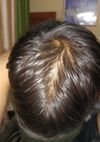
The conversation discusses the potential positive effects of melatonin on hair growth. The original poster plans to try both oral and topical melatonin and is seeking recommendations for a good source.
The user plans to enhance their hair loss treatment with oral minoxidil, finasteride tablets, laser cap therapy, and various supplements. They are also considering a hair transplant and exploring reputable sources for these products.
A user is seeking advice on creating a Minoxidil-free topical Finasteride solution due to side effects and concerns about pets. They plan to use Isopropanol alcohol, Propylene Glycol, and distilled water to make a 0.02% solution, starting with 1ml applications.
The conversation is about using topical melatonin for hair retention and its potential effectiveness alongside minoxidil. The user explicitly does not want advice about finasteride.
The conversation is about a person using dutasteride and minoxidil for hair loss, considering adding RU58841 and PP405 for more density. They are seeking advice on using these treatments and exploring other options like GT20029.
The conversation discusses two methods for making topical finasteride: using ethanol and propylene glycol or mixing it with topical minoxidil. The focus is on solubility and absorption, with a suggestion to crush pills finely and possibly mix with minoxidil at a slightly elevated temperature.
A 35-year-old man has been using a topical solution with finasteride, minoxidil, retinoic acid, and hydrocortisone for hair regrowth, experiencing minor side effects. He plans to remove hydrocortisone due to potential long-term health risks.
PP405 may promote short-term hair growth by pushing follicles into the growth phase, but concerns exist about long-term effects due to lack of rest phases. Users discuss various treatments like finasteride, minoxidil, spironolactone, alfatradiol, and investigational drugs like KX-826 and GT20029 for hair maintenance and regrowth.
A user is considering a hair loss treatment lotion containing minoxidil, adenosine, caffeine, melatonin, and azelaic acid, questioning the interaction between caffeine and adenosine receptors. Another user suggests adding a topical anti-DHT ingredient like spironolactone, noting it should not be taken orally by men.
A case study that suggests verteporfin may be able to help regrow donor hairs after FUE extraction, and the potential implications of this result. Treatments discussed include Minoxidil, Finasteride, and RU58841.
The conversation discusses using GHK-Cu for hair loss, with one user suggesting subcutaneous administration for better control. The effectiveness of topical application is questioned due to a lack of reliable reviews.
User on Dut, oral minox 20 mg, Saw Palmetto, Pumpkin Oil, RU, 8% topical minox, and topical fina for hair loss; top of head improves, but retrograde alopecia worsens. Asks for options besides exosomes and where to find topical melatonin.
A user applied a homemade topical finasteride solution daily for 35 days, reducing hair shedding significantly with minimal side effects. They plan to continue for 90 days and will provide further updates.
The user applied Kindor's KU, followed by a solution of Finasteride, Minoxidil, and Tretinoin for alopecia. They experienced no side effects from Kindor's KU.
Mixing RU58841 powder with topical minoxidil is being considered to simplify application and manage dandruff. The user switched from finasteride to dutasteride due to continued hair shedding.
Dr. Bloxham's trial is testing verteporfin on hair transplant patients to see if it can improve hair regrowth in treated areas. People are discussing the potential for follicle regeneration, expected results timeline, and concerns about side effects like cancer.
A 32-year-old male experienced erectile dysfunction and decreased libido after using oral dutasteride and minoxidil for hair loss. He is considering switching to topical alternatives like Xyon dutasteride or RU58841 to reduce side effects.
User asks how to manage sex life while using topical minoxidil for hair loss. Responses suggest various strategies, including using finasteride, applying minoxidil before or after sex, and avoiding certain positions.
Dr. Muñoz's discovery suggests that targeting potassium channels in fibroblasts could reactivate hair growth, offering new treatment possibilities for alopecia. Potential strategies include using minoxidil, diazoxide, and other potassium channel openers, as well as bioelectric devices and direct growth factor applications.
The conversation discusses continuing finasteride and minoxidil after a hair transplant. Minoxidil should be applied around the new hairline, avoiding the transplant area until healed, then gradually extended to all areas.
The user experienced significant hair regrowth after 7 months using topical minoxidil once a day and 0.5mg dutasteride every other day, with noticeable results in the last two to three months. They reported no side effects and did not use dermarolling.
The user is considering switching from oral to topical minoxidil and possibly adding finasteride, while continuing with dutasteride and incorporating microneedling to improve hair loss treatment. They are concerned about potential shedding during the transition.
A 20-year-old diffuse thinner has been using finasteride for 8 months and is considering adding minoxidil to their routine. A user suggests incorporating minoxidil for quicker regrowth, despite the hassle of daily application, while continuing finasteride.
A user has been using topical minoxidil and finasteride for hair loss but is considering switching to oral minoxidil due to the inconvenience of topical application. Another user cautions that switching forms may cause shedding and that oral minoxidil may have different side effects and results.
The user reintroduced RU58841 and noticed increased shedding and visible thinning. They have also been using dutasteride and oral minoxidil for 2 years.
The conversation discusses a hair loss treatment regimen involving minoxidil, finasteride, RU58841, JXL069, and nizoral shampoo. The user reports seeing new black dots in areas where hair hasn't grown in years, suggesting potential regrowth.
The conversation is about a user seeking help with hair regrowth treatments, specifically mentioning Setipiprant, Minoxidil, Finasteride, and RU58841. The user is trying to contact forum members for guidance on making and using these treatments.
The user is considering switching from pyrilutamide to 0.025% topical finasteride due to concerns about effectiveness and past side effects from a scalp elixir. They aim to maintain hair until new treatments like breezula or GT00029 become available.
KY19382 is discussed as a potential treatment for creating new hair follicles and possibly curing hair loss. The conversation seeks user experiences and sourcing information for KY19382.