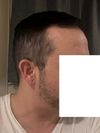
The user started using EssenGen 6-Plus, containing 6% minoxidil and 0.05% finasteride, along with 1% Nizoral shampoo, and reported noticeable hair growth in 7 weeks. They experienced some chest tightness but are monitoring it, and they are satisfied with the progress despite using a silicone-containing shampoo.
The conversation discusses using hair follicle dermal papilla exosomes for hair loss treatment. It inquires about purchasing options for this treatment.
A 22-year-old is frustrated with ongoing hair loss despite using treatments like topical minoxidil, finasteride, microneedling, oral dutasteride, and oral minoxidil. Their dermatologist suggests treating scalp inflammation with oral tretinoin and using exosomes for alopecia.
The user started finasteride and oral minoxidil for early-stage hair loss around the crown and underwent a session of exosome treatment 3.5 months ago. They are seeing some improvements and are questioning the effectiveness of exosomes for hair regrowth.
Exosomes are being considered for hair regrowth, with some users reporting initial improvement. One user moved on to using dutasteride and oral minoxidil with positive results.
The conversation discusses concerns that Anagenic's version of GT20029 might not be as effective or safe as Kintor's, with comparisons to issues faced by pyrilutamide. The chemical structure of the drug has been published.
Exosomes were used for hair loss treatment, showing results 33 days after the second session. The conversation also mentions Minoxidil, finasteride, and RU58841 as treatments.
The conversation is about a user experiencing hair thinning and considering exosome treatment after being advised against a hair transplant. The user seeks advice from others who may have tried exosomes for hair loss.
The conversation is about someone's six-month hair transplant outcome, with a user suggesting the use of finasteride and minoxidil to improve hair growth. Another user commented on the poor condition of the donor hair area.
The conversation discusses disappointment with the hair loss treatment KX-826 but notes that the company Kintor is still focused on developing and commercializing it, as stated in their 2023 annual report. The user questions the effectiveness of KX-826 in comparison to minoxidil's role in improving hair thickness and appearance.
A 23-year-old male shared his 6-month hair transformation using Dutasteride, oral Minoxidil, ketoconazole shampoo, vitamin D, gym, cardio, and dermastamping. He reported significant hair maintenance and no side effects.
Kintor edited their Amazon page, removing claims that KX-826 provides "real" visible results from clinical experiments. The discussion includes treatments like Minoxidil, finasteride, and RU58841.
The user is one month into their FUE treatment and has just undergone PRP treatment at American Mane in Miami. They plan to start using minoxidil and LLT, take xpecia with saw palmetto, and try Exosome from ExoScrt and PRP for better hair growth results.
Hair loss treatments discussed include Minoxidil, Finasteride, and RU58841. Anageninc stopped selling KX-826 (Pyrilutamide) due to a cease and desist letter from Kintor, but this may indicate promising study results and a potential 2024 release.
Stemson Therapeutics will start human trials for hair cloning in late 2025-2026. Product development is complete, and they are preparing for production and clinical trials.
The conversation is about experimenting with topical exosomes for hair loss treatment, alongside microneedling, Happy Head's gel-like topical, and Ordinary's hair serum. The user also mentions the availability of treatments like latanoprost and Redensyl.
KX-826/pyrilutamide is undergoing an additional one-year safety and efficacy trial in China after a six-month study. Some participants speculate on the reasons for the extended trial and discuss the potential of other treatments.
Exosomes combined with fractional picosecond laser treatment were effective in treating androgenetic alopecia and promoting repigmentation in white hair patches. The role of exosomes in hair repigmentation, particularly in conditions like poliosis, is not well-studied.
The conversation is about selling KY19382 powder, a novel activator of Wnt/β-catenin signaling, and Kolliphor EL liquid for vehicle formulation. The seller offers worldwide shipping.
The user has been using Dutasteride and oral Minoxidil for hair loss but hasn't seen desired results and is considering Advanced PRP with autologous exosomes. Some users suggest these treatments are scams, while others discuss increasing Dutasteride dosage or exploring other options like low-level laser therapy.
Aminexil is similar to Minoxidil but less effective and not widely used, with some users reporting minor regrowth. It is not FDA-approved and has been removed from some products, though some people still use it, often in combination with Minoxidil.
Regenera Activa and exosome therapy are discussed for hair loss treatment, focusing on their effectiveness for regrowth, thickening, or reducing shedding. Users are seeking experiences and results from these treatments.
The user shared their 9-month progress using exosomes and topical minoxidil for hair loss, concluding that minoxidil was more effective for them than exosomes. They plan to continue using minoxidil and have started finasteride while managing dandruff with salicylic acid.
The user is pleased with their hair transplant results after six months and seeks feedback. The conversation is positive, with others affirming the success of the procedure.
A user is seeking recommendations for dermatologists or hair clinics in the Greater Sacramento or Bay Area for exosome treatments, comparing topical application plus microneedling versus direct scalp injections. They are also asking for personal experiences and before-and-after photos.
The user has tried various hair loss treatments including topical minoxidil, oral finasteride, oral dutasteride, oral minoxidil, and exosome therapy, but none have been effective. They suspect trichodynia might be preventing these treatments from working.
Exosome treatment for hair loss, derived from umbilical cord stem cells, is being considered as an option before a hair transplant. Users discuss the need for ongoing maintenance and share experiences with different exosome sources, including plant-derived options.