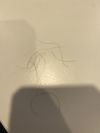
The conversation discusses the severe shedding caused by Minoxidil, with users sharing their experiences and outcomes. Some report eventual regrowth, while others see no improvement or worsening hair loss.
The user started oral finasteride and minoxidil in November 2024, initially saw improvement, but has experienced increased shedding since April 2025. They are concerned the treatment may not be effective anymore and seek advice.
The user is experiencing hair loss with symptoms of receding hairline, extreme shedding, and low density, possibly due to androgenic alopecia, diffuse thinning, retrograde alopecia, or telogen effluvium. They have used minoxidil and noticed changes in shedding patterns related to different water qualities and seborrheic dermatitis.
The user experienced hair thinning after switching from topical to oral minoxidil while also using finasteride. They are considering returning to topical minoxidil due to lack of improvement with the oral version.
Switching from topical to oral minoxidil caused heavy shedding and thinner, brighter hair. The user is seeking advice on whether hair can recover to its previous state.
The user experienced significant hair shedding initially but saw progress after 8 months using 1.25 mg of oral finasteride and minoxidil. They noticed increased hair growth on their eyelashes, eyebrows, and body, and considered increasing the dosage but decided to maintain the current regimen.
The user experienced facial puffiness after switching from finasteride to dutasteride, which they believe is due to dutasteride. They are seeking advice on reversing this effect, considering factors like diet, exercise, and potential hormonal changes.
The user is stressed about hair loss and is using a HIMS topical treatment containing finasteride, ketoconazole, minoxidil, and biotin, but is concerned about the oily appearance it causes. They are considering switching to Rogaine (minoxidil) due to budget constraints and side effect concerns with oral finasteride.
A user experienced significant hair loss after switching from topical to oral finasteride and minoxidil, despite initially seeing great results with the topical treatment. They are seeking advice on whether to return to topical treatments or increase their oral minoxidil dosage.
The user started using topical finasteride three days ago alongside minoxidil and is experiencing testicular pain, which they believe is a nocebo effect. They are anxious about the dosage and seeking advice on whether increasing the application frequency affects the overall dosage.
A user shared their experience using the Olympia hair growth formula for a month and asked for others' opinions on its composition. The conversation focuses on the effectiveness of the formula, which includes Minoxidil, finasteride, and RU58841.
A user with PCOS experienced hair loss and found success using a triple dose of O.N.E Omega by Pure Encapsulations after discovering low Omega fatty acids. Biotin provided minimal improvement, but the Omega supplement significantly restored hair.
The user is experiencing diffuse thinning and inflammation despite using 2.5mg dutasteride daily, ciclopirox, and ketoconazole shampoos. They are considering treatments like hydroxychloroquine and JAK inhibitors due to suspected scarring alopecia and have faced challenges in obtaining a scalp biopsy.
A user reported that applying castor oil to their eyebrows for two weeks resulted in thicker hair and is considering using it on their scalp to thicken existing hair, not to stop balding. They do not expect it to cure male pattern baldness.
A 22-year-old male is switching from topical to oral minoxidil due to limited results with topical use, while continuing oral finasteride and considering side effects. Users discuss experiences with oral minoxidil, noting potential side effects like swelling and headaches, but also its effectiveness compared to topical treatments.
The user is using minoxidil and finasteride to treat hair loss and is concerned about shedding and potential aggressive hair loss. They noticed some regrowth in trichoscopy pictures but are unsure about real-life changes.
ET-02 showed significant hair growth in five weeks, outperforming minoxidil, with a non-hormonal mechanism that avoids side effects of treatments like finasteride. A phase 2 trial is planned to further assess ET-02's efficacy and safety.
The user shared progress pictures of hair growth after switching to oral minoxidil and finasteride, noting improved lighting in the photos. They experienced a faster heart rate for a few weeks and a slight decrease in libido as side effects.
A user discusses using a serum called Dallixa, containing minoxidil-like and bimatoprost-like compounds, for hair loss and greying. The user's dermatologist advised against finasteride and suggested the serum might improve hair pigmentation.
A user developed a rash after 3 years of using Kirkland minoxidil foam, possibly due to a change in ingredients. They are considering switching to Foligain or Rogaine foam to avoid further issues.
A 20-year-old is experiencing severe diffuse thinning and shedding despite using oral minoxidil for 12 months and dutasteride for 8 months, after previously trying finasteride. They are frustrated with the lack of improvement and considering trying RU58841.
The user experienced severe hair loss, itchy scalp, and skin issues after trying no-shampoo, and wonders if it's male pattern baldness or an immune issue. They have a history of eczema, dermatitis, and jock itch, and have tried various treatments like coconut oil, peppermint, pumpkin seed, and onion.
Minoxidil without propylene glycol is sought to avoid dermatitis, with Rogaine foam and Tecflox suggested as alternatives. Users discuss using foam to prevent irritation and suggest heating it for easier application.